
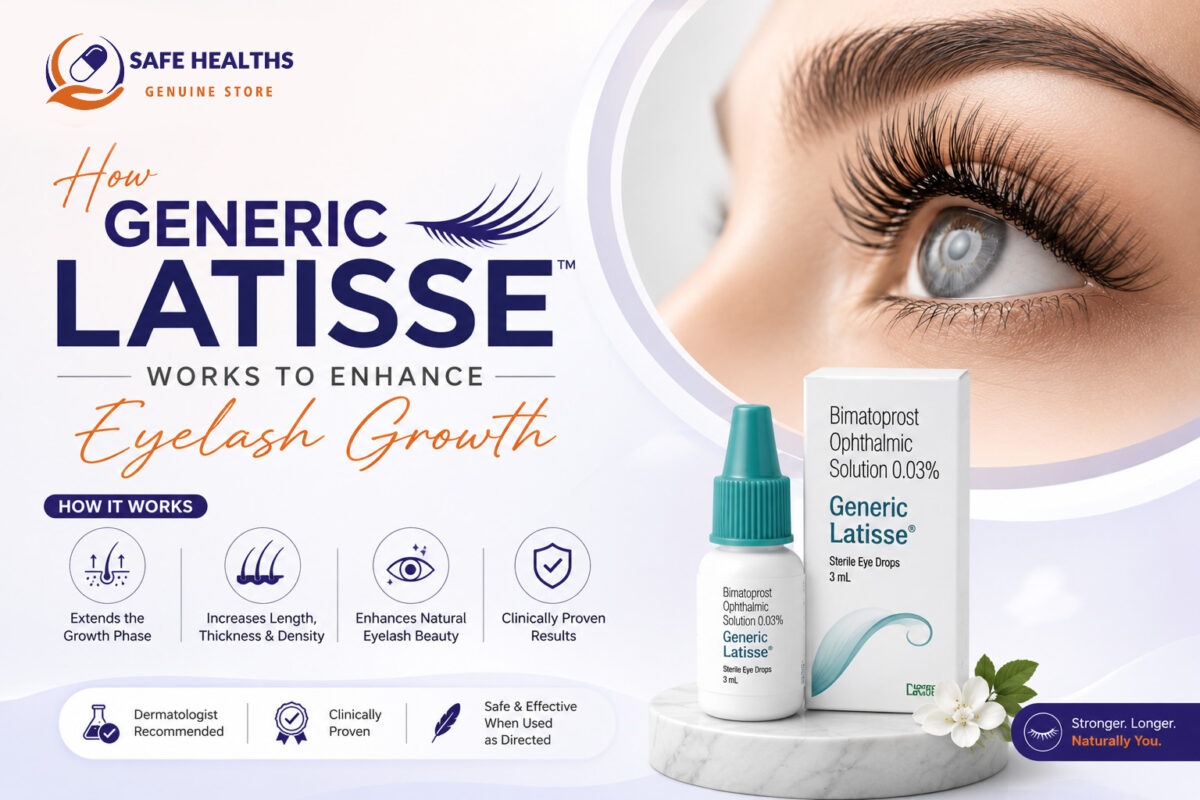
How Generic Latisse Works to Enhance Eyelash Growth
How To Cure ED: A Comprehensive Guide to Reclaiming Your Confidence
Erectile dysfunction (ED) is a topic many find difficult to discuss, but it’s an incredibly common health issue. The feeling of not being able to perform can be frustrating and can impact self-esteem and relationships. The good news is that in many cases, ED is not only treatable but potentially reversible. The search for a “cure” for ED begins with understanding its causes and exploring the effective solutions available.
This guide will walk you through the practical, science-backed steps you can take to address erectile dysfunction, improve your sexual health, and reclaim your confidence.
What Exactly is Erectile Dysfunction (ED)?
Before we talk about a cure, let’s be clear on what ED is. Erectile dysfunction is the consistent inability to get or maintain an erection firm enough for sexual intercourse. It’s important to note that occasional difficulty with erections isn’t necessarily a cause for alarm. However, when it becomes a regular problem, it’s time to look at the underlying causes.
Understanding the Root Causes of ED
Erectile dysfunction is often a symptom, not the disease itself. Think of it as a warning light on your car’s dashboard—it’s signaling that something else needs attention. The causes can be broadly divided into two categories: physical and psychological.
Physical Causes: Most cases of ED are linked to physical conditions that affect blood flow, nerve signals, or hormones. These include:
- Heart disease
- High blood pressure
- Diabetes
- High cholesterol
- Obesity
- Hormonal imbalances (like low testosterone)
- Nerve damage from surgery or injury
Psychological Causes: The brain plays a key role in triggering an erection. Mental and emotional factors can significantly interfere with sexual performance. These include:
- Stress and anxiety
- Depression
- Relationship problems
- Performance anxiety (worrying about being able to perform)
Step 1: Foundational Lifestyle Changes for ED
For many men, the closest thing to a “cure” for ED involves making significant lifestyle changes. These changes address the root physical causes, particularly those related to blood flow and cardiovascular health. Your journey should start here.
Adopt a Heart-Healthy Diet
What’s good for your heart is good for your erections. Blood flow is everything. A diet rich in fruits, vegetables, whole grains, and lean proteins (like the Mediterranean diet) can improve circulation, reduce inflammation, and help manage weight—all of which are crucial for erectile function.
Prioritize Regular Exercise
Exercise is a powerful tool against ED. Aerobic activities like jogging, swimming, or brisk walking improve cardiovascular health, boosting blood flow throughout the body. Strength training can also increase testosterone production. Aim for at least 30 minutes of moderate exercise most days of the week.
Manage Your Weight
Obesity is a major risk factor for ED. Excess fat can contribute to heart disease and diabetes, and it can disrupt hormone levels. Losing even a small percentage of your body weight can have a significant positive impact on your erectile function.
Reduce Alcohol and Quit Smoking
Smoking damages blood vessels, directly restricting blood flow to the penis. Heavy alcohol consumption can also interfere with erections. Cutting back on alcohol and quitting smoking are two of the most effective lifestyle changes you can make for your sexual and overall health.
Get Quality Sleep
Sleep is when your body repairs itself and regulates hormones, including testosterone. Poor sleep habits can contribute to low testosterone levels and fatigue, both of which can worsen ED. Aim for 7-9 hours of quality sleep per night.
Step 2: Addressing Psychological Factors
If stress, anxiety, or depression are contributing to your ED, addressing your mental health is a critical part of the solution. Performance anxiety can create a vicious cycle where worrying about getting an erection actually prevents you from getting one.
Consider techniques like mindfulness, meditation, or yoga to manage stress. If these feelings are persistent, speaking with a therapist or counselor can provide you with tools to manage anxiety and rebuild your sexual confidence. Sometimes, couples counseling can also be beneficial to address any relationship issues that may be contributing to the problem.
Step 3: Medical Treatments for ED
When lifestyle changes aren’t enough or a specific medical condition is the primary cause, it’s time to talk to a doctor about medical interventions. These are not typically a “cure” but are highly effective treatments for managing the symptoms.
Oral Medications (PDE5 Inhibitors)
These are the most common and well-known treatments for ED. Medications like Sildenafil (Viagra), Tadalafil (Cialis), and Vardenafil (Levitra) work by increasing blood flow to the penis. They require a prescription from a doctor, who will ensure they are safe for you based on your medical history.
Other Medical Options
For men who cannot take oral medications, other effective treatments exist. These can include testosterone replacement therapy (if low T is the cause), penile injections, vacuum erection devices, and in more severe cases, surgical implants. A urologist can help determine the best course of action for your specific situation.
The Most Important Step: Talk to Your Doctor
Self-diagnosing and buying “cures” online can be ineffective and dangerous. The single most important step you can take is to schedule an appointment with your doctor. A professional can help you:
- Identify the root cause: Your ED could be the first sign of a serious condition like heart disease or diabetes.
- Get a safe and effective treatment plan: A doctor will recommend a solution tailored to your health needs.
- Provide peace of mind: Getting a professional diagnosis and plan can relieve a huge amount of stress and anxiety.
Taking Control and Moving Forward
While a single “magic pill” cure for ED may not exist for everyone, the condition is highly treatable. By focusing on a healthier lifestyle, addressing psychological factors, and working with a medical professional, you can effectively manage—and in many cases, reverse—erectile dysfunction.
Taking that first step to address the problem is a sign of strength. It’s a commitment to your health, your happiness, and your relationships. You have the power to take control and move toward a more confident and satisfying life.