Can Erectile Dysfunction Improve With Lifestyle Changes?
Can Erectile Dysfunction Improve With Lifestyle Changes?
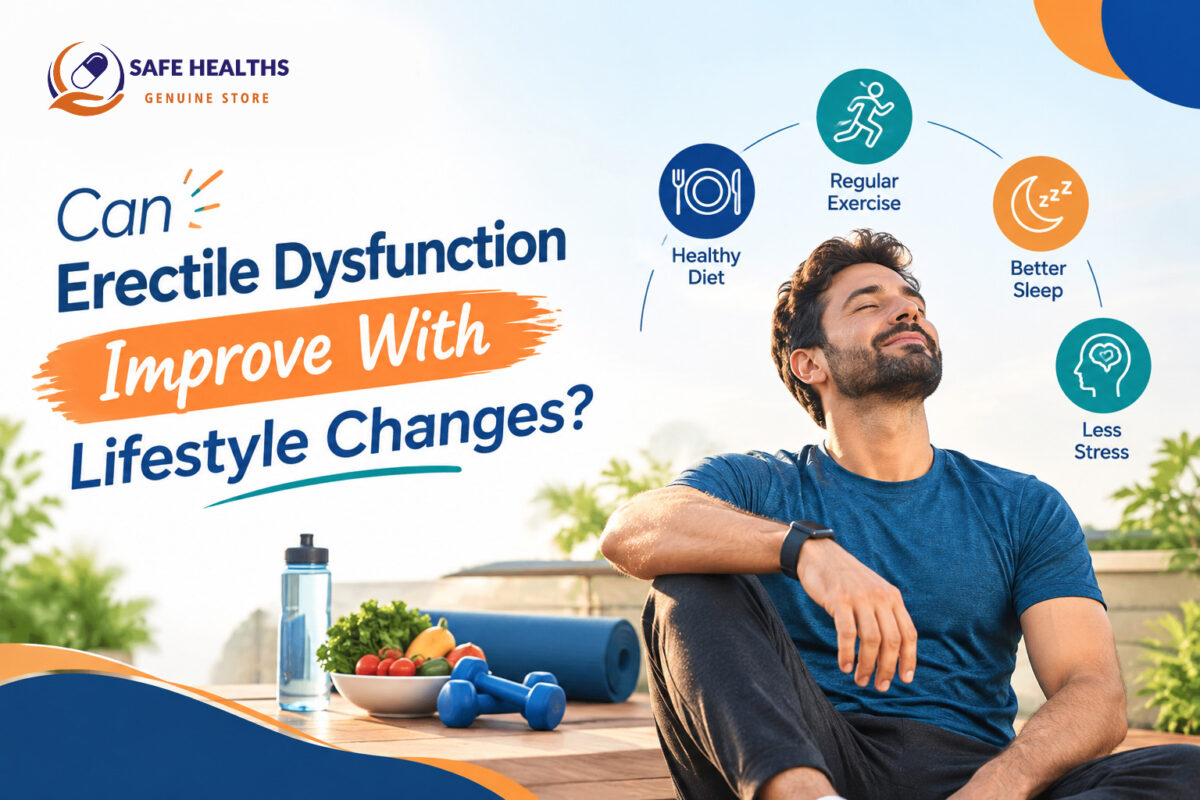
For many men, yes. Lifestyle changes can improve erectile dysfunction (ED), and in some men they can reverse it entirely. This is not wishful thinking. It is backed by randomised trials, large population studies, and medical guidelines that recommend addressing lifestyle factors as part of every ED treatment plan. At the same time, lifestyle change is not a guaranteed cure for everyone, and it works best when you understand who benefits most, how long it takes, and when to add other treatments.
This guide looks at what the evidence says about improvement from lifestyle changes, which men are most likely to benefit, which changes matter most, a realistic timeline, how to measure progress, and what to do if you do not improve.
What Does “Improve” Mean?
In studies, improvement is usually measured with a questionnaire such as the International Index of Erectile Function (IIEF-5), which scores erection firmness, ability to penetrate, maintaining erections, and confidence. Results fall into three groups:
- Return to normal function: Erections work reliably without treatment.
- Meaningful improvement: Better firmness, reliability, and confidence, though not perfect.
- No change: The underlying cause is not responsive to lifestyle change.
What the Evidence Shows
- In a well-known randomised trial, obese men with ED who followed a two-year programme of weight loss, exercise, and dietary advice were far more likely to regain normal erectile function (about a third) than those who received only general advice.
- Trials of regular aerobic exercise show improved erectile scores, particularly in men who were inactive or had cardiovascular risk factors.
- Mediterranean-style diets are linked with lower ED risk and better function.
- Quitting smoking is associated with improved function, especially in younger men.
- Studies of pelvic floor exercises show improvement in some men.
- Psychological therapies and stress reduction improve psychogenic ED.
- Lifestyle changes improve the response to ED tablets in some men.
Who Is Most Likely to Benefit?
- Men with overweight or obesity.
- Men who are inactive.
- Smokers and heavy drinkers.
- Men with metabolic syndrome or early cardiovascular risk factors.
- Younger men whose ED is related to stress, anxiety, or lifestyle.
- Men with poor sleep or sleep apnoea.
- Men with relatively recent ED rather than long-standing severe ED.
Who Is Less Likely to Improve With Lifestyle Alone?
- Men with advanced atherosclerosis or severe vascular disease.
- Men with significant nerve damage, for example from long-standing diabetes, spinal injury, or pelvic surgery.
- Men with ED after prostate surgery or radiation.
- Men with confirmed hormone deficiency that needs treatment.
- Men whose ED is mainly caused by essential medicines.
- Men with structural problems such as severe Peyronie’s disease.
Even in these cases, lifestyle changes help overall health and may improve the effect of other treatments.
The Lifestyle Changes That Matter Most
1. Regular Exercise
Aim for at least 150 minutes of moderate aerobic activity a week, plus strength training twice a week and daily pelvic floor exercises. See treating erectile dysfunction with exercise.
2. A Heart-Healthy Diet
Choose vegetables, fruit, whole grains, legumes, nuts, fish, and olive oil, and limit processed foods, sugary drinks, and red and processed meat. See the best foods for erectile dysfunction.
3. Weight Loss
A loss of 5 to 10 percent of body weight can improve erections, hormones, and blood sugar. See whether losing weight can help with erectile dysfunction.
4. Quitting Smoking
One of the most important steps. Blood vessel function begins to improve within weeks.
5. Moderating Alcohol and Avoiding Drugs
Keep to recommended limits with alcohol-free days, and avoid recreational drugs and anabolic steroids.
6. Sleep
Seven to nine hours of quality sleep supports hormones and mood. Treat sleep apnoea if present.
7. Stress Management
Mindfulness, breathing, exercise, hobbies, and therapy reduce stress hormones and anxiety. See whether stress management can improve erectile function.
8. Controlling Health Conditions
Keep blood pressure, cholesterol, and blood sugar well controlled, and review medicines with your doctor.
A Realistic Timeline
- Weeks 1 to 4: Energy, mood, and sleep often improve. Erections may not change yet.
- Months 2 to 3: Some men start to notice firmer, more reliable erections.
- Months 3 to 6: Many trials assess results here. Improvements are more consistent.
- 6 to 24 months: Continued gains, especially with sustained weight loss and fitness.
How to Measure Progress
- Record how often you get and keep an erection, and its firmness.
- Use the IIEF-5 questionnaire at the start and every three months.
- Track weight, waist, blood pressure, and blood sugar.
- Note mood, confidence, and communication with your partner.
Tips for Making Changes Stick
- Start with two or three changes, not ten.
- Set specific, realistic goals, such as “walk 30 minutes, five days a week.”
- Build habits into your routine.
- Involve your partner or a friend.
- Plan for setbacks, and restart without self-criticism.
- Celebrate non-scale and non-erection wins, such as better sleep and energy.
If You Do Not Improve
- Check consistency and duration: Three to six months of steady change is a fair trial.
- Go back to your doctor: Ask about underlying causes, medicines, and hormones.
- Address anxiety: Consider counselling if performance worry persists.
- Add medical treatment: Tablets, devices, or injections can work alongside lifestyle changes. See ED treatments from medicines to devices.
Combining Lifestyle Changes and Medicines
You do not have to choose. Many men use tablets while they build healthier habits, and some later reduce or stop them as their health improves. Do not stop medicines without medical advice. For a deeper look at the habits themselves, read lifestyle changes that can help improve erectile dysfunction.
Safety Points
- See a doctor before starting vigorous exercise if you have heart disease or diabetes, or have been inactive.
- Avoid extreme diets and “fat burner” supplements.
- Do not buy ED pills or supplements online without medical guidance.
- Never combine ED tablets with nitrate medicines.
When to See a Doctor
See a doctor if ED lasts more than a few weeks, appeared suddenly, or comes with chest pain, breathlessness, numbness, or leg pain on walking. Seek emergency care for an erection lasting more than four hours.
Frequently Asked Questions
How much can lifestyle changes improve ED?
It varies. Some men regain normal function, others improve moderately, and some see little change.
What is the best single change?
Regular exercise with weight loss, if needed, and quitting smoking have particularly strong evidence.
Do I need medication as well?
Not always. If symptoms persist, medical treatment can be added.
Final Thoughts
ED can improve with lifestyle changes, especially when lifestyle, weight, smoking, stress, or early vascular risk factors are involved. Make consistent changes, give them time, measure your progress, and seek medical help if you need more. The habits that help your erections also protect your heart and your overall health.
This article is for general information only and is not a substitute for professional medical advice.