
How Walking Can Help Support Your Weight Loss Goals
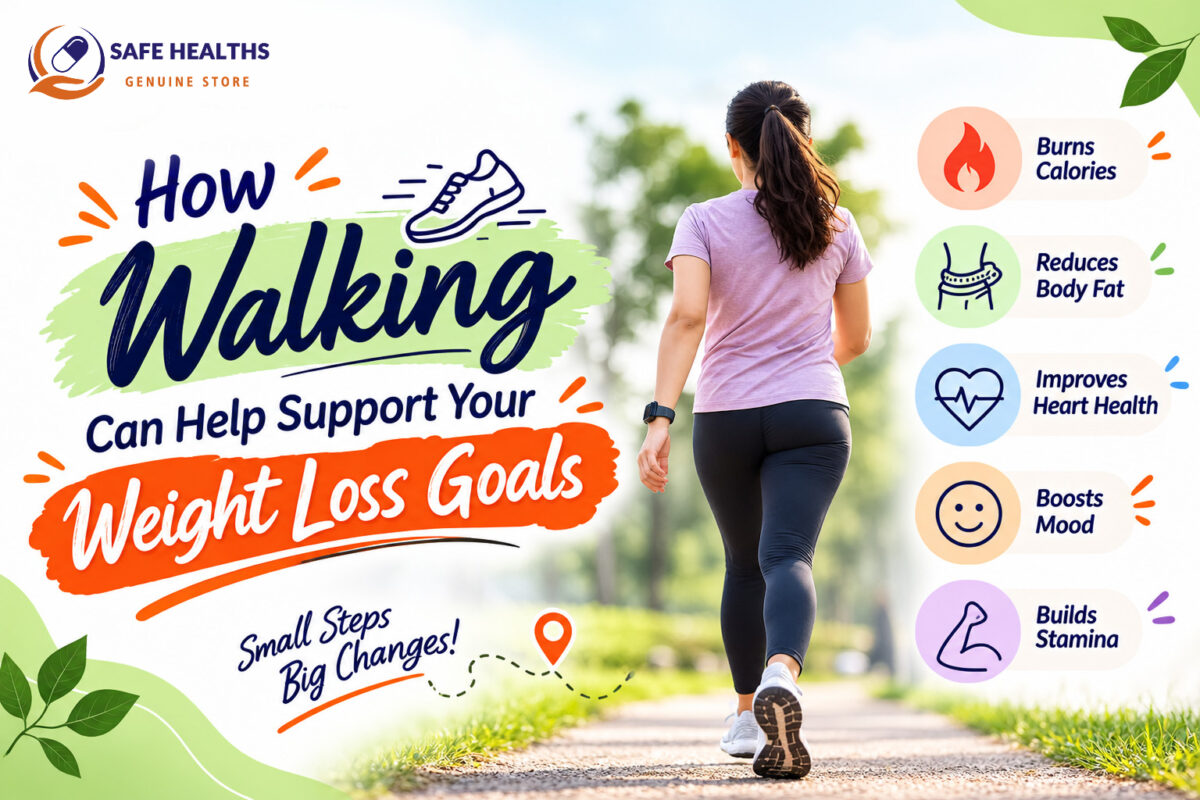
How Walking Can Help Support Your Weight Loss Goals
Walking is the simplest form of exercise there is. It needs no gym, no equipment, and no special skill, and it is gentle on the joints, which makes it suitable for almost everyone. While walking alone will not melt away weight overnight, it is one of the most sustainable ways to burn extra calories, improve your health, lift your mood, and support the changes in eating and lifestyle that drive weight loss. Many people who stick with walking find that it becomes the foundation of a healthier life.
This guide explains how walking supports weight loss, how many steps and minutes you need, how to make walks more effective, sample plans for beginners and more experienced walkers, and tips for staying motivated and safe.
How Walking Supports Weight Loss
1. It Burns Calories
Walking uses energy. A 70 kilogram person burns roughly 200 to 300 calories in an hour of brisk walking, with more for heavier people, faster speeds, or hills. Over weeks and months, those calories add up.
2. It Boosts Daily Movement
Much of the calories you burn comes not from formal exercise but from everyday movement, called non-exercise activity thermogenesis. Walking more increases this.
3. It Helps Control Appetite and Cravings
Moderate walking can reduce stress eating and cravings for some people, and a short walk after a meal can help with digestion and blood sugar.
4. It Helps Preserve Muscle and Fitness
Staying active while you eat less helps you keep muscle, which supports your metabolism, particularly if you add some strength training.
5. It Lowers Stress and Improves Sleep
Walking reduces stress hormones and helps sleep, both of which influence appetite and weight.
6. It Is Easy to Stick With
Because it is low-impact, low-cost, and flexible, walking is one of the easiest exercise habits to maintain long term, and consistency matters more than intensity.
How Much Walking Do You Need?
- General health: At least 150 minutes a week of moderate activity, for example 30 minutes on five days.
- Weight loss: Many experts suggest 200 to 300 minutes a week, together with a calorie deficit from food.
- Steps: About 7,000 to 10,000 steps a day is a common target. Studies show health benefits from as few as 4,000 to 7,000 steps, with more benefit at higher levels. Start from your current average and add 500 to 1,000 steps a day each week.
Walking works best together with sensible eating. See how to create a healthy weight loss plan for the bigger picture.
How Fast Should You Walk?
A brisk pace, one where you can talk but not sing, is about 5 to 6.5 kilometres an hour (3 to 4 miles an hour) for most people. If you are new to walking, start at a comfortable pace and gradually increase.
Ways to Make Walking More Effective
- Walk briskly: A faster pace burns more calories and improves fitness.
- Add intervals: Alternate one to two minutes of fast walking with two to three minutes at an easier pace.
- Include hills or inclines: Raise intensity and calorie burn.
- Swing your arms, and keep a good posture.
- Walk after meals: Even 10 to 15 minutes helps blood sugar and digestion.
- Add strength training two or three times a week.
- Vary routes to stay interested.
- Use a step counter or app to track progress.
- Carry water, and stay hydrated.
Sample Walking Plans
Beginner (Weeks 1 to 4)
- Week 1: 15 minutes of easy walking, five days.
- Week 2: 20 minutes, five days.
- Week 3: 25 minutes, five days.
- Week 4: 30 minutes, five days, with a 10 minute walk after one meal a day.
Intermediate (Weeks 5 to 12)
- Walk 40 to 45 minutes, five days a week, at a brisk pace.
- Add two interval sessions a week.
- Add two short strength sessions.
Advanced
- Walk 45 to 60 minutes most days, including hills.
- Try power walking, Nordic walking, or weighted vests only if suitable for you.
- Keep strength training and stretching.
Realistic Expectations
Walking alone typically produces modest weight loss, perhaps 0.25 to 0.5 kilograms a week when combined with a calorie deficit from food. Exercise alone seldom leads to large losses, because it is easy to eat back the calories burned. But walking makes weight loss easier, protects your health, and helps keep weight off. Pair it with balanced eating for best results. See weight loss foods that actually work and how to lose weight naturally and safely.
Health Benefits Beyond Weight Loss
- Lower risk of heart disease, stroke, and type 2 diabetes.
- Better blood pressure and cholesterol.
- Stronger bones and joints.
- Better mood, less anxiety and depression.
- Improved sleep and energy.
- Better balance and mobility with age.
- Improved sexual health through better circulation.
For people with diabetes, walking after meals is particularly helpful. See how exercise helps manage diabetes.
Tips for Staying Motivated
- Schedule your walks like appointments.
- Walk with a friend, family member, or group.
- Listen to music, podcasts, or audiobooks.
- Set goals, such as a step target or a local event.
- Walk in places you enjoy, such as parks or the waterfront.
- Have a bad-weather plan, such as indoor walking or a treadmill.
- Track and celebrate progress.
- Use short walks when you are busy. Three ten-minute walks count.
Walking Safely
- Wear supportive footwear and comfortable clothing.
- Warm up with a few minutes of slow walking, and cool down afterwards.
- Stay visible and aware when walking near traffic or at night.
- Protect yourself from the sun and heat, and stay hydrated.
- Check your feet, particularly if you have diabetes.
- Listen to your body, and stop if you have pain.
Who Should Check With a Doctor First?
See a doctor before starting if you have heart disease, high blood pressure, diabetes, joint problems, breathing difficulties, are pregnant, or have been inactive for a long time. Stop and seek help if you have chest pain, severe breathlessness, dizziness, or fainting.
Common Walking Mistakes
- Doing too much too soon.
- Relying on walking alone and not changing eating habits.
- Walking too slowly to raise your heart rate.
- Wearing worn-out or unsuitable shoes.
- Not progressing the challenge over time.
- Skipping rest days when you are sore or tired.
Frequently Asked Questions
Is walking enough to lose weight?
It helps, but results are best when combined with healthy eating, since it is easy to eat back the calories burned.
How many steps should I aim for?
Many people aim for 7,000 to 10,000 steps a day, but any increase from your current level is beneficial.
Is it better to walk fast or long?
Both help. A brisk pace for 30 minutes or more is a good target, and longer walks add calories burned.
Final Thoughts
Walking is an accessible, low-risk, and effective way to support weight loss and improve overall health. Start with what you can manage, build gradually, walk briskly, add strength training, and combine it with balanced eating. The best exercise is the one you will keep doing, and for many people, that is walking.
This article is for general information only and is not a substitute for professional medical advice.