
Signs of Low Testosterone in Men
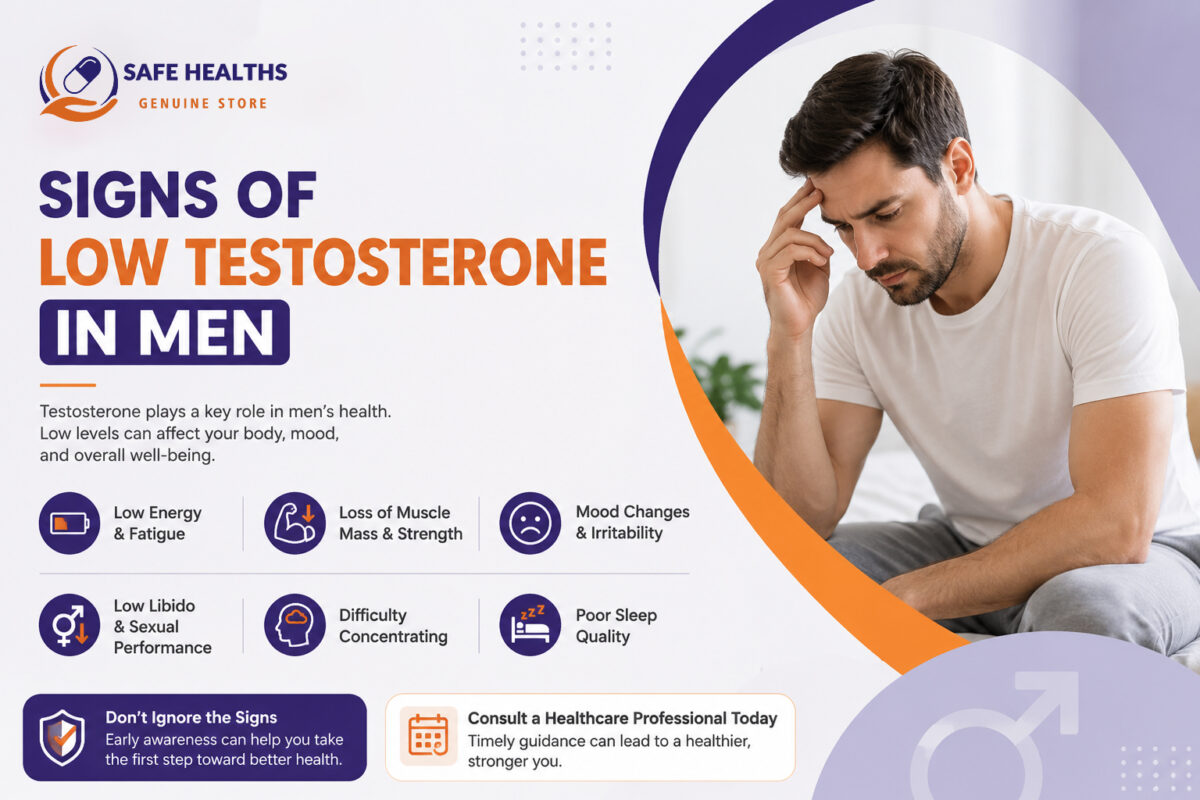
Signs of Low Testosterone in Men
Testosterone is the main male sex hormone. It drives sex drive, muscle and bone strength, fat distribution, red blood cell production, energy, and mood. Levels naturally peak in early adulthood and decline slowly with age, by about one percent a year after the age of 30 or 40. For some men, levels fall low enough to cause noticeable symptoms. This is called low testosterone, or testosterone deficiency (hypogonadism).
The signs are often gradual and easy to put down to getting older, stress, or a busy life. This guide explains the common signs, what can cause low testosterone, how it is diagnosed, and what you can do about it.
What Does Testosterone Do?
Testosterone is made mainly in the testicles and is regulated by signals from the brain (the hypothalamus and pituitary gland). It plays a role in:
- Sex drive and sexual function.
- Sperm production and fertility.
- Muscle mass, strength, and bone density.
- Body and facial hair, and the distribution of body fat.
- Red blood cell production.
- Energy, mood, and mental sharpness.
Because it affects so many systems, low levels can cause a wide range of symptoms.
Common Signs and Symptoms of Low Testosterone
Sexual Symptoms
- Reduced sex drive: A noticeable and persistent drop in interest in sex is one of the most common signs.
- Erection problems: Difficulty getting or keeping an erection, and fewer spontaneous or morning erections. Testosterone is involved in erections, but other causes are common, as explained in the difference between low testosterone and ED.
- Lower semen volume: Some men notice a reduction in ejaculate.
- Fertility problems: Low sperm count can make conceiving harder.
Physical Symptoms
- Persistent tiredness: Low energy that does not improve with rest.
- Loss of muscle mass and strength: Even if you train as usual.
- Increased body fat: Particularly around the abdomen, and in some men, enlarged breast tissue (gynaecomastia).
- Reduced bone density: This may lead to osteoporosis and a higher risk of fractures.
- Hair loss: Thinning body or facial hair.
- Hot flushes and sweating: Less common, but can occur.
- Smaller testicles: Sometimes noticed in more severe cases.
Emotional and Mental Symptoms
- Low mood, sadness, or depression.
- Irritability and mood swings.
- Poor concentration and memory problems.
- Lack of motivation and confidence.
- Sleep problems, including insomnia.
Why These Symptoms Are Not Proof of Low Testosterone
Almost every symptom above can have other causes, including depression, thyroid problems, sleep apnoea, diabetes, anaemia, heavy alcohol use, stress, and side effects of medicines. That is why symptoms alone are not enough for a diagnosis. A doctor needs to look at your symptoms together with blood tests and your overall health.
What Causes Low Testosterone?
Low testosterone can be divided into two types:
- Primary hypogonadism: A problem with the testicles themselves, such as injury, infection (for example mumps), undescended testicles, cancer treatment, or genetic conditions like Klinefelter syndrome.
- Secondary hypogonadism: A problem with the brain signals that tell the testicles to produce testosterone, caused by pituitary disorders, tumours, certain medicines, or serious illness.
Other contributing factors include:
- Obesity, especially excess belly fat.
- Type 2 diabetes and metabolic syndrome.
- Chronic illness, such as kidney, liver, or lung disease.
- Opioid painkillers, corticosteroids, and anabolic steroid misuse.
- Long-term heavy alcohol use.
- Chronic stress and poor sleep, including untreated sleep apnoea.
- Ageing.
Hormonal changes can also affect erections and other functions, which you can read about in whether hormonal changes can cause erectile dysfunction.
How Is Low Testosterone Diagnosed?
Diagnosis requires both symptoms and low blood levels. A doctor will usually:
- Ask about your symptoms, medical history, and medicines.
- Examine you, including body hair, breast tissue, and testicles.
- Order a blood test for total testosterone, taken in the morning (when levels are highest) and usually repeated on a different day to confirm.
- Check other hormones, such as luteinising hormone (LH), follicle-stimulating hormone (FSH), and prolactin, to find the cause.
- Test for related conditions, such as diabetes, thyroid disease, anaemia, and sleep apnoea.
Guidelines commonly define low testosterone as a morning total level consistently below about 300 ng/dL (around 10.4 nmol/L), but cut-offs and interpretation vary, so the numbers must be assessed alongside symptoms by a doctor.
How Is Low Testosterone Treated?
Treat the Underlying Cause
If low testosterone is caused by obesity, medicines, or another condition, addressing that cause may improve levels and symptoms.
Lifestyle Changes
Healthy habits can support natural testosterone production, especially if you are overweight or inactive:
- Lose excess weight, since fat tissue converts testosterone to oestrogen.
- Exercise regularly, including strength training.
- Sleep seven to nine hours a night.
- Reduce alcohol and avoid steroids and recreational drugs.
- Manage stress and eat a balanced diet with enough protein, healthy fats, zinc, and vitamin D.
For practical advice, read how you can support healthy testosterone levels.
Testosterone Replacement Therapy (TRT)
If tests confirm low testosterone and you have symptoms, your doctor may offer TRT. It comes as gels, patches, injections, tablets, or long-acting implants. Benefits can include improved sex drive, energy, mood, muscle mass, and bone density. However, TRT is not suitable for everyone and carries risks, including:
- Reduced sperm production and fertility, so it is not suitable if you want to father children.
- Increased red blood cell count, which can raise clotting risk.
- Worsening of sleep apnoea.
- Acne, fluid retention, and breast enlargement.
- Possible effects on the prostate. TRT is not given to men with prostate or breast cancer.
TRT requires regular monitoring of testosterone levels, red blood cell count, and prostate health. Do not buy testosterone or “boosters” online without medical supervision.
Testosterone Supplements: Be Careful
Many over-the-counter “testosterone boosters” are marketed to men, but most have little reliable evidence, and some contain undeclared ingredients. If your levels are normal, supplements are unlikely to help. If your levels are low, a doctor can recommend proper treatment.
Low Testosterone and Ageing
Gradual hormone decline is part of normal ageing, and many older men have lower levels without symptoms. Treatment is meant for men with both symptoms and clearly low levels. If you are in your forties or older and noticing changes, you may find our guide to men’s health after 40 helpful.
Is It Low Testosterone or Something Else?
If you have several of the symptoms above, especially low sex drive, erection changes, fatigue, and low mood, it is worth seeing a doctor. They can check whether low testosterone is the cause or whether another condition needs attention. Understanding the role testosterone plays in erectile function can help you discuss symptoms clearly.
When to See a Doctor
Make an appointment if you have persistent symptoms for several weeks, especially if they affect your relationships, work, or mood. See a doctor promptly if you have symptoms of depression, thoughts of self-harm, severe fatigue, bone pain, or fractures after minor injury, or if you are struggling to conceive.
Frequently Asked Questions
At what age does testosterone start to decline?
Typically from about 30 to 40, at a rate of about one percent a year. Most men remain within the normal range.
Can lifestyle changes really raise testosterone?
In men who are overweight or inactive, weight loss, exercise, better sleep, and less alcohol can increase testosterone and improve symptoms.
Is low testosterone dangerous?
It is not usually an emergency, but untreated deficiency can affect bone health, mood, muscle, and sexual function and may signal another underlying condition.
Final Thoughts
Low testosterone is common, treatable, and often underdiagnosed. If your symptoms are persistent and affecting your quality of life, speak to a doctor. A proper assessment, including blood tests, can show whether treatment is needed and which approach suits you.
This article is for general information only and is not a substitute for professional medical advice.

