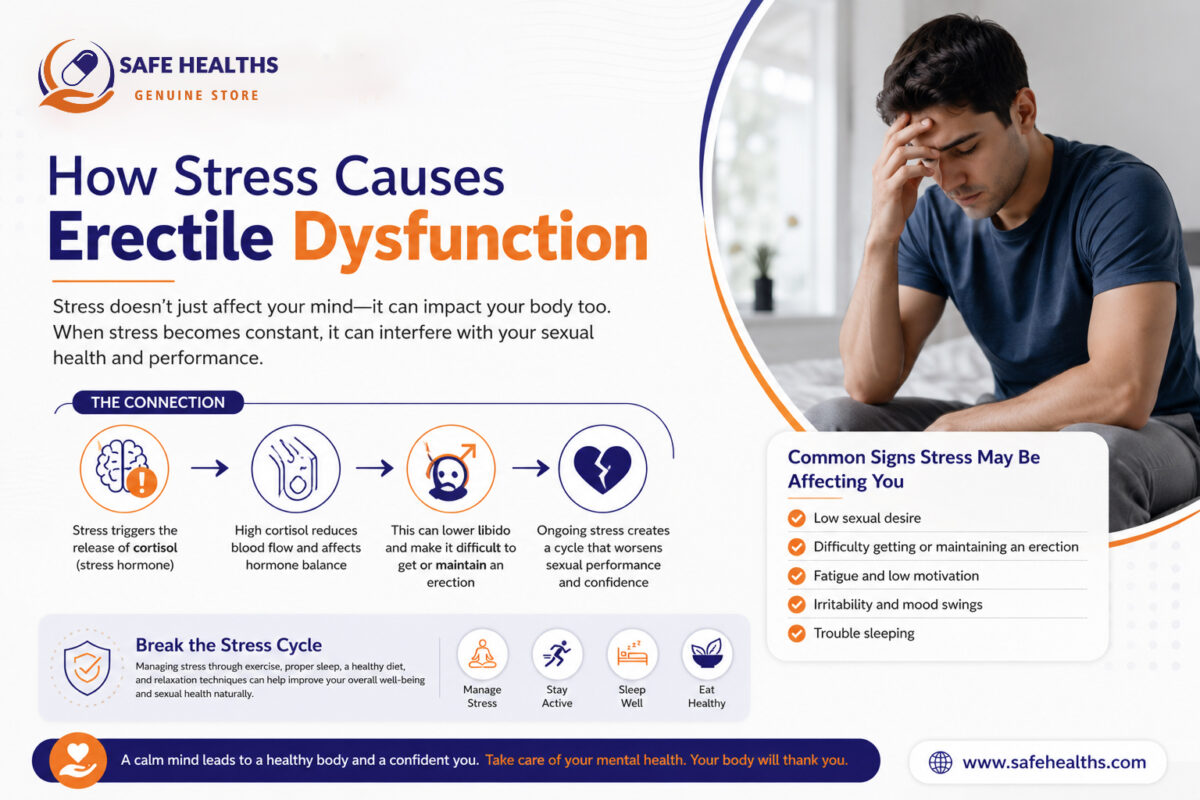
How Stress Causes Erectile Dysfunction
Navigating Erectile Dysfunction: A Guide to Treatment and Recovery
If you’re searching for information on how to cure erectile dysfunction (ED), know that you are far from alone. ED is an incredibly common health issue affecting millions of men of all ages. While it can be a source of stress and frustration, the most important thing to understand is that it is highly treatable. For many, the symptoms can be significantly improved or even completely reversed.
The word “cure” can be tricky. For some, addressing a specific underlying cause—like improving diet or managing stress—can effectively cure the condition. For others, it’s about finding an effective long-term management plan that restores sexual function and confidence. This guide will walk you through the causes of ED and the actionable steps you can take toward a solution.
Understanding the Root Causes of ED
Erectile dysfunction is rarely just a standalone issue. It’s often a symptom of something else going on in your body or mind. A successful erection is a complex process involving your brain, hormones, nerves, blood vessels, and emotions. A problem with any of these can lead to ED. The first step to finding a solution is identifying the potential cause.
Common causes can be broken down into two main categories:
Physical Causes: These are the most common culprits, especially in older men. Healthy blood flow is essential for an erection, so conditions that affect your cardiovascular system are major risk factors. These include:
- Heart disease
- High blood pressure
- High cholesterol
- Diabetes
- Obesity
- Hormonal imbalances (like low testosterone)
- Certain prescription medications
- Smoking and excessive alcohol use
Psychological Causes: The brain plays a central role in triggering the physical events that cause an erection, starting with feelings of sexual excitement. When your mental or emotional state is compromised, it can directly impact your ability to perform. These factors include:
- Stress and anxiety (especially performance anxiety)
- Depression
- Relationship problems
- Guilt or low self-esteem
Actionable Steps to Treat and Reverse ED
Once you have a better idea of the potential cause, you can begin to explore solutions. A comprehensive approach that addresses both lifestyle and, if necessary, medical factors is often the most effective path to a cure or long-term management.
1. Lifestyle Modifications: The Foundation of a Cure
For a significant number of men, lifestyle changes alone are enough to see a dramatic improvement in ED symptoms. Think of your health as a whole—what’s good for your heart is good for your erections.
Adopt a Heart-Healthy Diet: Focus on a diet rich in fruits, vegetables, whole grains, and lean proteins, like the Mediterranean diet. Reduce your intake of processed foods, sugar, and saturated fats. This helps improve circulation, manage weight, and control blood pressure.
Get Regular Exercise: Aim for at least 30 minutes of moderate-intensity exercise, like brisk walking, jogging, or swimming, most days of the week. Cardiovascular exercise is particularly effective at improving blood flow throughout the body.
Maintain a Healthy Weight: Excess body fat can contribute to heart disease and diabetes, two leading causes of ED. Losing even a small percentage of your body weight can have a positive impact on erectile function.
Quit Smoking and Reduce Alcohol: Smoking damages blood vessels and restricts blood flow. Excessive alcohol consumption can interfere with the hormones and nerve signals needed for an erection. Cutting back or quitting can yield rapid improvements.
2. Medical Treatments: Proven and Effective Options
If lifestyle changes aren’t enough, or if there is a specific medical cause, your doctor has several effective treatments they can recommend. It is essential to pursue these options under professional medical guidance.
Oral Medications (PDE5 Inhibitors): Drugs like sildenafil (Viagra), tadalafil (Cialis), and vardenafil (Levitra) are often the first line of medical treatment. They work by enhancing the effects of nitric oxide, a natural chemical your body produces that relaxes muscles in the penis, allowing for increased blood flow.
Hormone Therapy: If your ED is caused by low testosterone, your doctor may recommend testosterone replacement therapy (TRT). This can help restore libido and erectile function in men with a diagnosed hormone deficiency.
Other Medical Options: For men who cannot take oral medications, other proven options include penile injections, vacuum erection devices, and, in some cases, surgical implants.
3. Addressing the Psychological Component
Never underestimate the power of the mind-body connection. If stress, anxiety, or depression are contributing to your ED, addressing them is a critical part of the solution.
Counseling or Therapy: Speaking with a therapist can help you work through performance anxiety, stress, or relationship issues that may be affecting your sexual health. Cognitive-behavioral therapy (CBT) is particularly effective for this.
Stress Management: Incorporate stress-reducing practices into your daily life, such as mindfulness, meditation, yoga, or deep-breathing exercises.
Open Communication: Talk to your partner. Sharing your concerns can alleviate immense pressure and anxiety. Working together as a team can strengthen your relationship and reduce the stress surrounding sex.
When to See a Doctor
It’s time to consult a doctor if your ED is persistent, causing you distress, or if you suspect it might be linked to an underlying health condition like heart disease or diabetes. A doctor can perform a proper diagnosis, rule out serious health issues, and create a safe and effective treatment plan tailored to you. Remember, this is a medical condition, and healthcare professionals discuss it every single day. There is no need for embarrassment.
The Takeaway: A Cure is Within Reach
While there is no single “magic pill” that cures all cases of ED, a lasting solution is absolutely achievable. By identifying the root cause and adopting a holistic approach that includes lifestyle changes, medical support, and mental health care, you can restore your sexual function, regain your confidence, and improve your overall well-being. The first and most important step is taking action and speaking with a healthcare professional.