
How Water Intake Helps Weight Loss
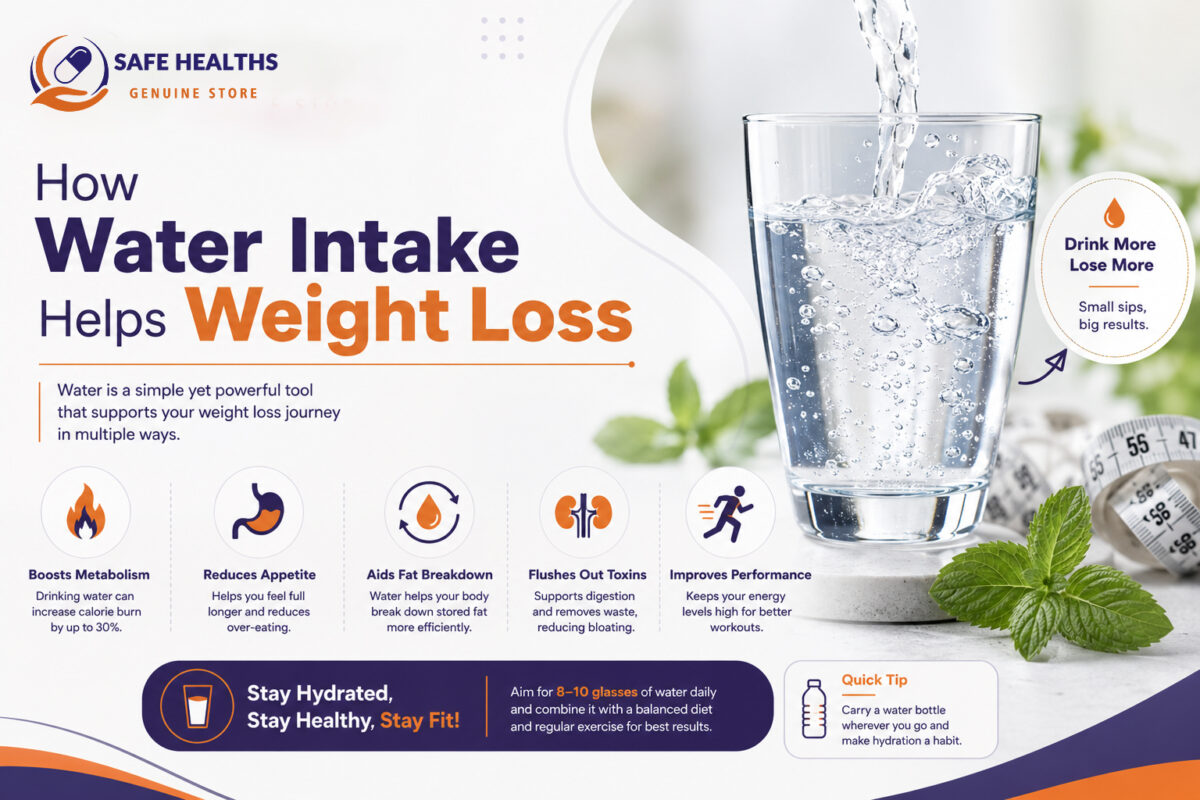
How Water Intake Helps Weight Loss
Water is rarely mentioned as a weight loss tool, yet it quietly supports several of the processes that make losing weight easier. It will not melt fat on its own, and it is not a substitute for a balanced diet and regular activity. But drinking enough water, and using it to replace higher-calorie drinks, can make it noticeably easier to eat less without feeling deprived.
This guide explains what the research shows, how water helps, how much to drink, and practical ways to build the habit.
What Does the Research Say?
Studies on water and weight loss are generally small, but the results point in a consistent direction. In one well-known trial, adults on a reduced-calorie diet who drank about half a litre of water before meals lost more weight over 12 weeks than those on the same diet who did not. Other research shows that people who replace sugary drinks with water tend to consume fewer calories overall. The effect is modest, but when combined with good eating and exercise, it can add up over months.
5 Ways Water Supports Weight Loss
1. It Helps You Feel Fuller
Water takes up space in the stomach, which sends signals of fullness to the brain. Drinking a glass of water 15 to 30 minutes before a meal may help you eat slightly less. Foods with high water content, such as soups, fruits, and vegetables, add to this effect.
2. It Replaces High-Calorie Drinks
Soft drinks, sweetened tea and coffee, fruit juices, energy drinks, and alcohol can add hundreds of calories a day without making you feel full. A single can of regular soda has around 140 calories. Swapping just one or two sugary drinks a day for water can cut a significant number of calories over a week without changing anything else you eat.
3. It May Give a Small Boost to Calorie Burning
Some studies suggest that drinking water temporarily raises the metabolic rate slightly, partly because the body uses energy to warm the water and process it. The effect is small, but it is a bonus rather than a reason on its own to drink more.
4. It Helps Prevent Thirst Being Mistaken for Hunger
The signals for thirst and hunger can feel similar, especially when you are busy. If you feel peckish soon after a meal, try drinking a glass of water and wait ten minutes. Sometimes the urge passes.
5. It Supports Exercise and Recovery
Even mild dehydration can make you feel tired, reduce your strength and stamina, and make workouts feel harder. Staying well hydrated helps you move more, which supports weight loss.
How Much Water Should You Drink?
There is no single number that suits everyone. General guidance suggests that total fluid intake, from drinks and food together, is around 2.7 litres a day for women and 3.7 litres for men. About 20 percent of this comes from food, so many people need roughly 1.5 to 2.5 litres of drinks a day. This is close to the familiar advice of about eight glasses.
You may need more if you:
- Exercise vigorously or sweat a lot.
- Live in a hot or humid climate or at altitude.
- Are pregnant or breastfeeding.
- Have a fever, vomiting, or diarrhoea.
A simple check is the colour of your urine. Pale yellow suggests you are well hydrated. Dark yellow or amber suggests you need more fluids. If you have kidney disease, heart failure, or another condition where your fluid intake is restricted, follow your doctor’s advice rather than general guidelines.
Practical Ways to Drink More Water
- Start the day with a glass: Keep a glass or bottle by your bed and drink it when you wake up.
- Drink before meals: A glass of water 15 to 30 minutes before eating is easy and costs nothing.
- Carry a bottle: Having water in view makes you sip more often.
- Add flavour naturally: A slice of lemon, cucumber, mint, or a few berries makes plain water more appealing.
- Use reminders: Set alarms or link drinking to habits, such as after every bathroom visit or every phone call.
- Eat water-rich foods: Cucumber, watermelon, oranges, tomatoes, lettuce, and clear soups all help.
- Try sparkling water or herbal tea: Unsweetened options count towards your total and add variety.
What Counts, and What Does Not
Plain water is best because it has no calories. Unsweetened tea and coffee also count towards fluid intake, and moderate amounts of caffeine do not dehydrate you in the way people often assume. Fruit juice, sweetened drinks, flavoured milk, and alcohol add calories. Alcohol also dehydrates you and can increase appetite. Diet drinks have no calories, but it is best not to rely on them, and water should remain your main drink.
Common Myths About Water and Weight Loss
- Myth: Drinking lots of water burns fat. Water does not burn fat directly. Its benefits come from fullness, replacing calories, and supporting activity.
- Myth: Cold water burns significantly more calories. The extra energy used is small.
- Myth: Weight lost with water is permanent. Temporary changes in the scale from sweating or water loss are not fat loss.
- Myth: More is always better. Drinking far more than you need does not speed up weight loss, and extreme amounts in a short time can be dangerous.
Can You Drink Too Much Water?
Rarely, yes. Drinking very large amounts in a short period can dilute sodium in the blood, causing a condition called hyponatraemia, with symptoms such as headache, nausea, confusion, and in severe cases seizures. It is uncommon in healthy people who drink to thirst, but it can happen during endurance events. Spread your fluids through the day rather than forcing large volumes at once.
Putting Water Into Your Weight Loss Plan
Water works best as one part of a bigger picture:
- Eat balanced meals: Build meals around vegetables, protein, and whole grains. See our guide to the best protein foods for weight loss.
- Be active: Walking is one of the simplest ways to begin. Read how walking can support your weight loss goals.
- Make steady changes: Gradual weight loss of about 0.5 to 1 kg a week is more sustainable than crash dieting. Our article on how to lose weight naturally and safely explains how.
- Learn what works for both sexes: See weight loss tips for men and women for practical, balanced advice.
- Sleep and manage stress: Poor sleep and high stress can increase hunger and cravings.
A Sample Day of Hydration
- On waking: One glass of water.
- Breakfast: Tea or coffee without sugar, plus a glass of water.
- Mid-morning: A glass of water or herbal tea.
- Before lunch: A glass of water about 20 minutes before eating.
- Afternoon: Water or unsweetened tea, with a piece of fruit.
- Before dinner: Another glass of water.
- Evening: A small glass of water, then taper off before bed so sleep is not disturbed.
When to Speak to a Doctor
See a doctor if you feel constantly thirsty, urinate very often, or notice unexplained weight changes, as these may signal an underlying condition such as diabetes. Seek advice before changing your fluid intake if you have kidney, heart, or liver disease, or take medicines that affect fluid balance, such as diuretics.
Final Thoughts
Water is a simple, cheap, and safe support for weight loss. It will not do the job alone, but by helping you feel full, replacing sugary drinks, and keeping you energised, it makes healthy eating and exercise easier to stick with. Start small, such as a glass before each meal, and build the habit over time.
This article is for general information only and is not a substitute for professional medical advice.

