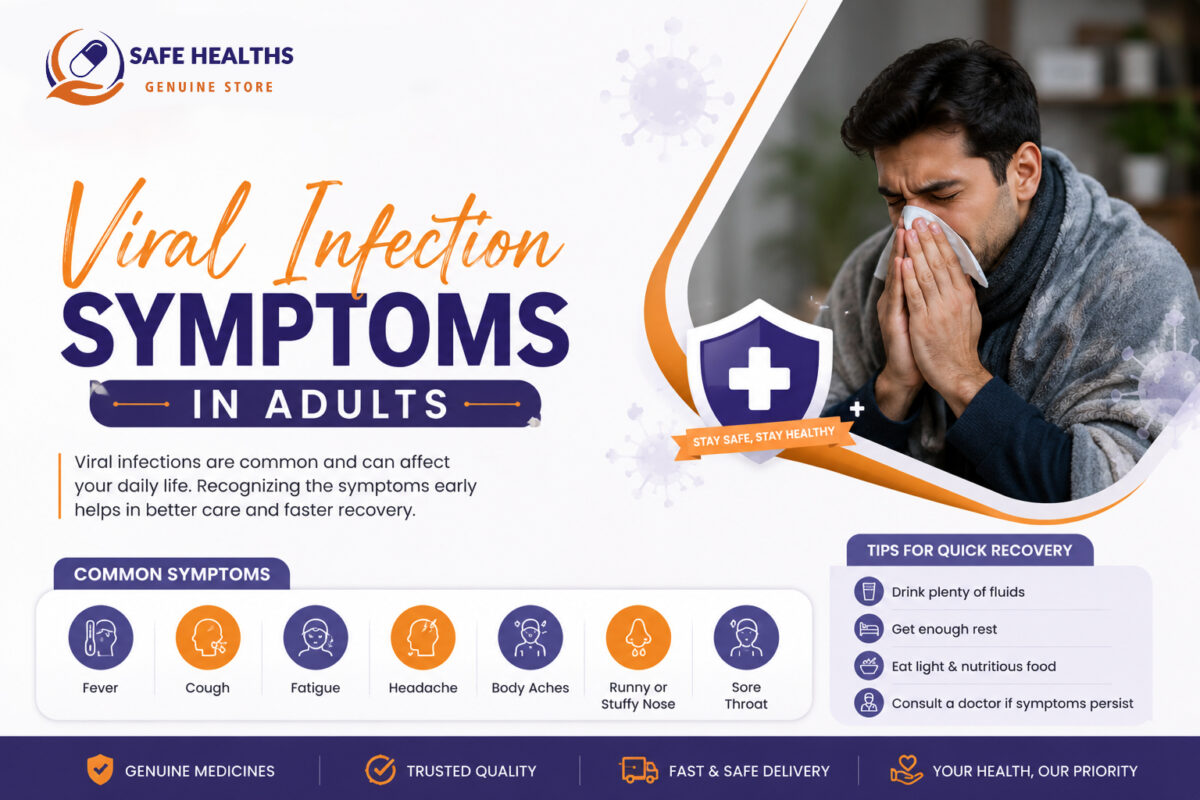
Viral Infection Symptoms in Adults
Understanding Erectile Dysfunction: More Than Just a Symptom
Erectile dysfunction (ED) is a common condition that affects millions of men worldwide. It’s often a source of stress, anxiety, and frustration. When searching for a solution, the word “cure” comes up often. While a permanent, one-size-fits-all cure depends entirely on the underlying cause, the great news is that most cases of ED are treatable and often reversible. The key is to see ED not as an isolated problem, but as a potential signal from your body about your overall health.
This guide will walk you through the effective strategies and treatments available, helping you understand how to manage, improve, and in many cases, resolve erectile dysfunction for good.
First, Identify the Cause: The Root of the Problem
Effective treatment starts with understanding why ED is happening. The causes can be broadly categorized into physical and psychological factors, and very often, it’s a combination of both.
Common Physical Causes:
Your circulatory, nervous, and endocrine systems all play a crucial role in achieving an erection. Any issue that affects these systems can lead to ED. These include:
- Cardiovascular Disease: Conditions like high blood pressure, high cholesterol, and atherosclerosis (clogged arteries) are the most common culprits. An erection depends on healthy blood flow, and if your arteries are narrowed elsewhere, they are likely narrowed in the penis as well.
- Diabetes: High blood sugar can damage nerves and blood vessels, impairing the signals and flow needed for an erection.
- Hormonal Imbalances: Low testosterone, thyroid problems, and other hormonal issues can significantly impact libido and erectile function.
- Neurological Disorders: Conditions like Parkinson’s disease, multiple sclerosis (MS), or spinal cord injuries can interfere with the nerve signals sent from the brain to the penis.
- Obesity: Being overweight is linked to diabetes, poor circulation, and lower testosterone levels, all of which are major risk factors for ED.
Common Psychological Causes:
The brain is the most important sex organ. Mental and emotional health play a massive part in sexual arousal and function.
- Stress and Anxiety: Everyday stress or specific performance anxiety can trigger adrenaline, a hormone that works against an erection.
- Depression: This common mood disorder can crush libido and cause ED. Furthermore, some antidepressants can have sexual side effects.
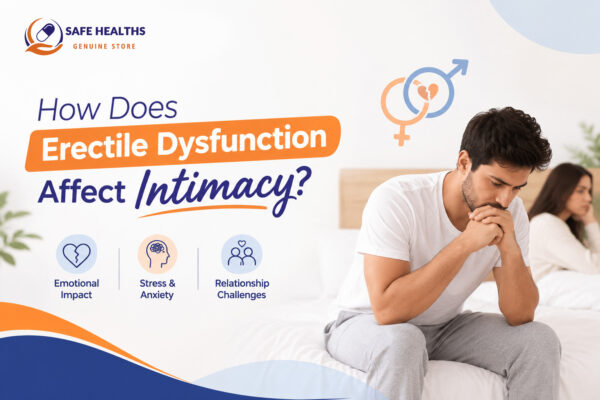
- Relationship Problems: Issues with communication, intimacy, or unresolved conflict can manifest physically as ED.
Lifestyle Changes: Your First Line of Defense
Before exploring medical interventions, the most powerful step you can take is to adopt a healthier lifestyle. These changes address the root causes of ED, especially those related to cardiovascular health, and can produce lasting results.
1. Embrace a Heart-Healthy Diet: What’s good for your heart is good for your erections. Focus on a diet rich in fruits, vegetables, whole grains, and lean proteins, like the Mediterranean diet. Limit processed foods, sugar, and unhealthy fats that can contribute to poor circulation.
2. Get Moving: Regular physical activity is a game-changer. Aim for at least 30 minutes of moderate exercise, like brisk walking, swimming, or cycling, most days of the week. Exercise boosts blood flow, helps you lose weight, reduces stress, and increases testosterone.
3. Quit Smoking and Reduce Alcohol: Smoking is a primary cause of vascular disease, directly damaging your blood vessels and restricting blood flow. Excessive alcohol consumption can also impair erectile function, both in the short and long term. Cutting back or quitting can lead to rapid improvements.
4. Prioritize Sleep: Your body needs adequate rest to regulate hormones, including testosterone. Aim for 7-8 hours of quality sleep per night to support your overall and sexual health.
Medical Treatments for ED
When lifestyle changes aren’t enough or a specific medical condition is the cause, a doctor can recommend a variety of effective treatments. It is crucial to consult a healthcare professional before starting any medication.
Oral Medications (PDE5 Inhibitors): These are often the first medical treatment prescribed. Medications like Sildenafil (Viagra), Tadalafil (Cialis), and Vardenafil (Levitra) work by increasing blood flow to the penis in response to sexual stimulation. They are safe and effective for most men but require a prescription.
Testosterone Replacement Therapy (TRT): If blood tests confirm that your ED is caused by low testosterone, your doctor may recommend TRT. This can be administered through gels, injections, or patches to restore hormone levels and improve libido and erectile function.
Other Medical Options: For men who cannot take oral medications, other effective options exist. These include vacuum erection devices, penile injections (alprostadil), and intraurethral suppositories. These methods are highly effective but are typically considered after oral medications have been tried.
Addressing the Mental Game
Never underestimate the psychological component of ED. If stress, anxiety, or depression are contributing factors, addressing them is essential for a long-term solution.
Counseling or Therapy: Talking with a therapist who specializes in sexual health can help you work through performance anxiety, stress, or relationship issues that are impacting your sexual life. Cognitive-behavioral therapy (CBT) is particularly effective for this.
Mindfulness and Meditation: Practices that help you manage stress can have a profound impact. By reducing the body’s stress response, you can make it easier to become aroused and stay in the moment during sexual activity.
The Path Forward: Taking Control of Your Health
While the idea of a single magic “cure” for ED can be misleading, the reality is even more empowering. In most cases, erectile dysfunction is not something you have to live with. It is a highly treatable condition.
The path to recovery involves taking a holistic view of your health. By making positive lifestyle changes, addressing underlying medical conditions, and caring for your mental well-being, you can significantly improve or even completely resolve erectile dysfunction. The most important first step is to speak with a doctor. They can help you identify the cause, rule out serious health concerns, and create a treatment plan that works for you.