
Viral Infection Symptoms in Adults
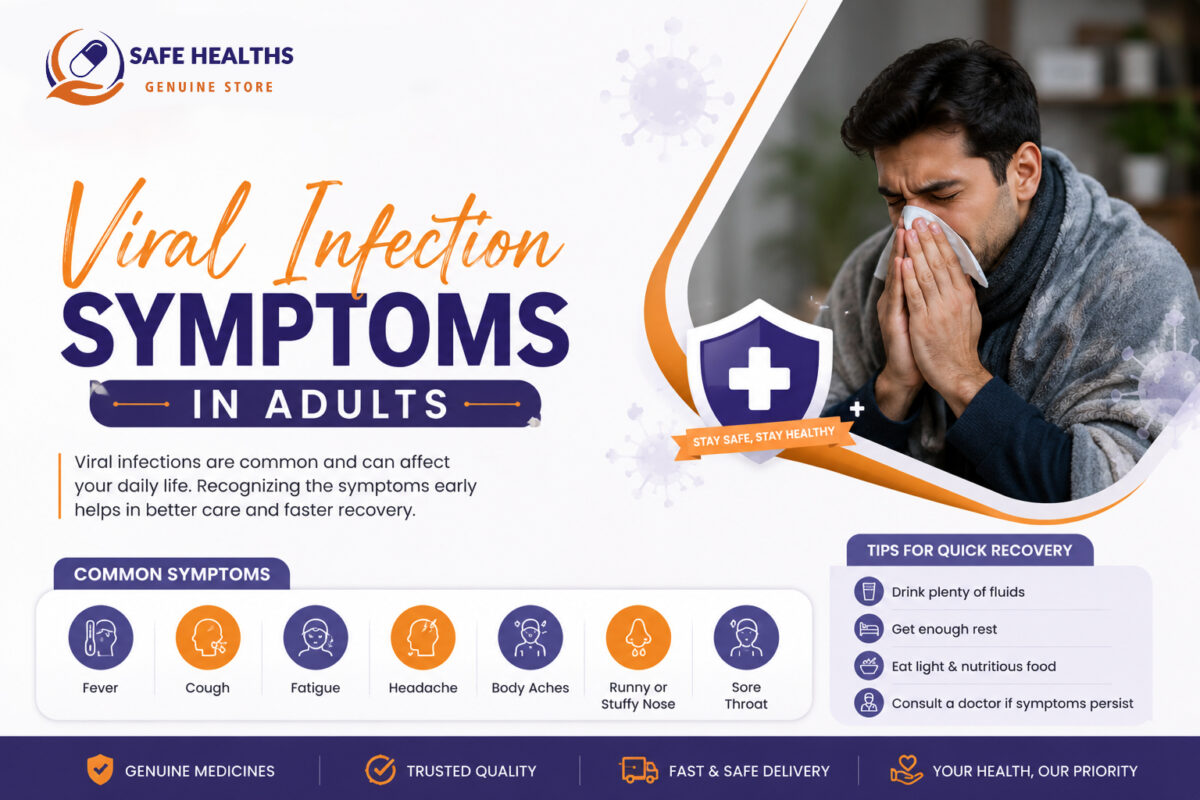
Viral Infection Symptoms in Adults
Viruses are the most common cause of infections in adults, from the common cold and flu to stomach bugs and COVID-19. Because different viruses can cause very similar symptoms, it is often hard to tell which one you have without a test. Knowing the typical symptoms, how they differ between viruses, and which signs mean you need medical help can save worry and prevent complications.
This guide describes the symptoms of viral infections in adults, how they vary by type, how long they last, and when to see a doctor.
What Is a Viral Infection?
A viral infection happens when a virus enters your cells and uses them to multiply. The immune system responds with inflammation, fever, and other defences, which cause many of the symptoms you feel. Viruses spread through droplets in the air, contact with contaminated surfaces, bodily fluids, contaminated food and water, or insect bites.
General Symptoms of Viral Infections
Many viral illnesses share a core set of symptoms:
- Fever and chills: Usually mild to moderate, though flu and dengue can cause high fever.
- Fatigue and weakness: Often one of the earliest and last symptoms to go.
- Body aches and muscle pain.
- Headache.
- Sore throat.
- Runny or blocked nose, and sneezing.
- Cough: Dry or with clear or coloured mucus.
- Loss of appetite.
- Nausea, vomiting, or diarrhoea with some viruses.
- Swollen glands.
- Skin rash with certain infections.
Symptoms by Type of Viral Infection
Common Cold
Gradual onset of a sore or scratchy throat, sneezing, runny nose, blocked nose, mild cough, and mild tiredness. Fever is uncommon or low-grade in adults. Symptoms usually peak around days two to three and last 7 to 10 days.
Influenza (Flu)
Sudden onset of high fever, chills, severe body aches, headache, extreme tiredness, dry cough, and sore throat. Flu tends to make you feel much worse than a cold and can last one to two weeks, with fatigue lingering longer.
COVID-19
Symptoms can include fever, cough, sore throat, congestion, tiredness, body aches, headache, loss of taste or smell, and breathlessness. Severity ranges from mild to serious. Testing helps tell it from flu and colds.
Viral Gastroenteritis (“Stomach Flu”)
Nausea, vomiting, watery diarrhoea, stomach cramps, low-grade fever, and aches. Usually settles in one to three days, with the main risk being dehydration.
Dengue
Spread by mosquitoes. High fever, severe headache, pain behind the eyes, muscle and joint pain, nausea, rash, and mild bleeding such as nosebleeds or gum bleeding. A “critical phase” can follow as the fever falls, with severe abdominal pain, persistent vomiting, bleeding, and weakness, requiring urgent care.
Chikungunya
Sudden fever with severe joint pain, often in the hands, wrists, and feet, along with headache, muscle pain, and a rash. The joint pain can last weeks or months.
Viral Hepatitis (A, B, C, E)
Tiredness, nausea, loss of appetite, abdominal pain, dark urine, pale stools, and yellowing of the skin and eyes (jaundice). It needs medical assessment.
Mononucleosis (“Glandular Fever”)
Severe sore throat, fever, swollen neck glands, and profound tiredness lasting weeks.
Shingles
A painful, burning rash with blisters on one side of the body, caused by reactivation of the chickenpox virus. Early treatment can reduce complications, so seek care promptly.
Viral Conjunctivitis
Red, watery, irritated eyes, often with a cold.
Viral Rash Illnesses
Measles, rubella, and chickenpox cause fever with characteristic rashes. Vaccination is the best protection.
How Long Do Viral Infections Last?
- Common cold: 7 to 10 days, with a cough sometimes lasting up to three weeks.
- Flu: About 5 to 7 days for main symptoms, with fatigue for up to two weeks or more.
- Stomach flu: 1 to 3 days, sometimes up to a week.
- Dengue: Fever for about 2 to 7 days, with recovery over one to two weeks.
- COVID-19: Mild cases often improve in one to two weeks, though some people have longer symptoms.
For fever-related illness in more detail, see viral fever symptoms and treatment.
Viral vs Bacterial Infections
It can be difficult to tell them apart. Viral infections usually cause widespread symptoms such as runny nose, cough, and aches, and improve within a week or so. Bacterial infections often involve a localised problem such as a very painful throat with pus, a urinary infection, or symptoms that worsen or last longer. Importantly, antibiotics do not treat viruses. Learn more in can antibiotics treat viral infections.
Diagnosis
Most viral illnesses are diagnosed from symptoms and examination. Doctors may order tests for flu, COVID-19, dengue, hepatitis, or other viruses if the illness is severe, you are at high risk, or knowing the cause would change treatment. Blood tests may check blood counts, liver and kidney function.
Treatment and Self-Care
For most viral infections, treatment is supportive:
- Rest: Allow your body to recover.
- Fluids: Water, soups, and oral rehydration solutions.
- Fever and pain relief: Paracetamol or other suitable medicines, following the label. Avoid ibuprofen and aspirin if dengue is possible unless advised by a doctor.
- Throat and cough relief: Warm drinks, honey, lozenges, and steam.
- Antivirals: For flu, COVID-19, herpes, and some others, started early for those at higher risk.
See how to recover faster from viral infections and read the best recovery tips after viral fever.
Warning Signs: When to See a Doctor
Seek medical care if you have:
- Fever above 39.5°C or lasting more than three days.
- Difficulty breathing, chest pain, or fast breathing.
- Persistent vomiting or signs of dehydration.
- Severe headache, stiff neck, confusion, or sensitivity to light.
- Severe abdominal pain, bleeding, or black stools.
- Yellow skin or eyes.
- A painful, blistering rash, particularly near the eye.
- Symptoms that improve and then suddenly worsen.
- Any symptoms if you are pregnant, elderly, or have a chronic condition or weakened immunity.
Our guide to the warning signs of serious infection gives more detail on what needs urgent attention.
Preventing Viral Infections
- Wash your hands regularly with soap and water.
- Cover coughs and sneezes.
- Avoid touching your eyes, nose, and mouth.
- Stay home when unwell and keep distance from sick people.
- Get vaccinated, including flu, COVID-19, and other recommended vaccines.
- Use mosquito protection in areas with dengue or chikungunya.
- Eat well, sleep enough, exercise, and manage stress.
- Practise safe food and water habits.
Frequently Asked Questions
Is a runny nose a sign of a viral infection?
Often, yes, particularly with a cold, but allergies can cause similar symptoms.
Does coloured mucus mean I need antibiotics?
No. Coloured mucus is common in viral infections and does not by itself indicate bacteria.
How long am I contagious?
It depends on the virus. Many people are most contagious in the first few days of illness.
Final Thoughts
Viral infections cause a wide range of symptoms, and most clear up with rest and fluids. Learn the patterns for common illnesses, avoid unnecessary antibiotics, and seek medical help for warning signs, especially if you are in a higher-risk group.
This article is for general information only and is not a substitute for professional medical advice.

