Healthy Snacks for Weight Loss
Healthy Snacks for Weight Loss
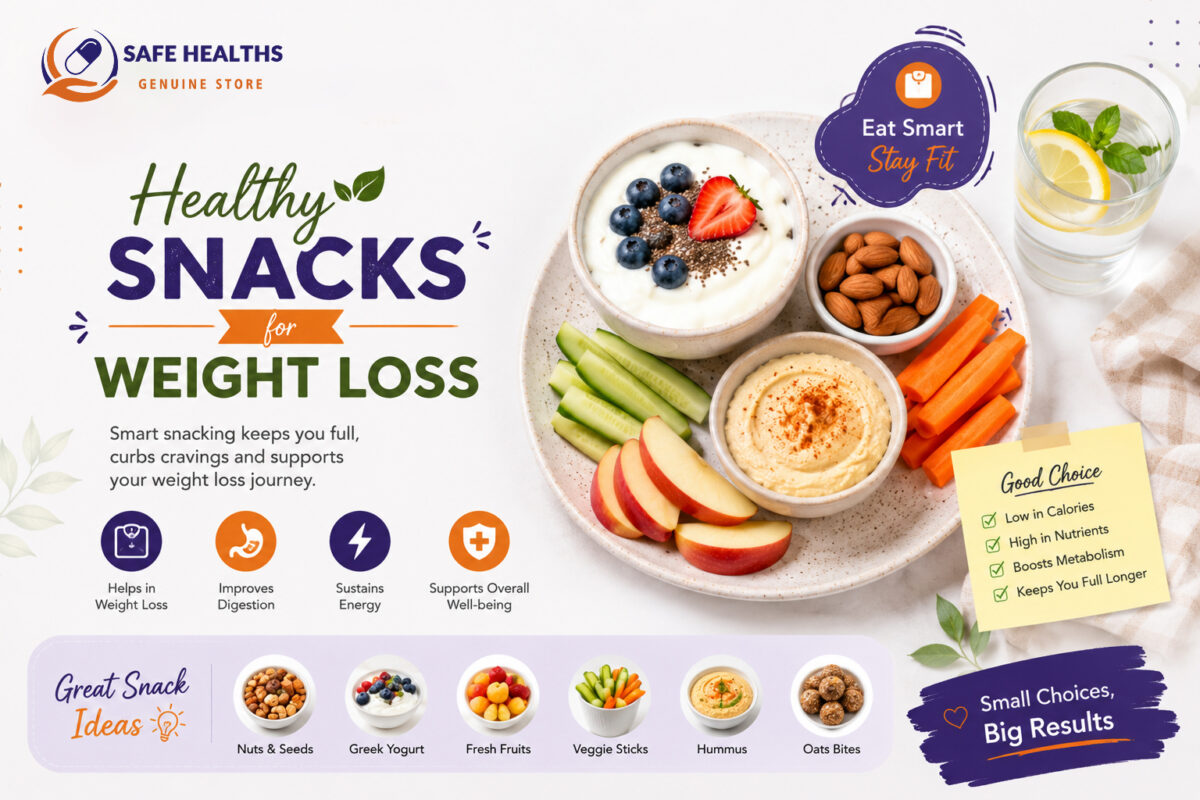
Snacks do not have to get in the way of weight loss. In fact, the right ones can help: they keep hunger in check between meals, steady your energy, and stop you arriving at dinner ravenous and overeating. The key is choosing snacks that combine protein or fibre with a little healthy fat, keeping portions sensible, and avoiding the packaged, sugary, and fried options that add calories without keeping you full.
This guide explains how to snack smartly, gives you a long list of healthy snack ideas by category, shows what to avoid, and offers practical planning tips, including portion guidance and a sample snack plan.
Should You Snack at All?
There is no rule that you must snack, or must not. What matters is your total intake over the day and how well your eating pattern fits your hunger and lifestyle. Snacks are helpful if you go long stretches between meals, have an active day, or tend to overeat when very hungry. If you are not hungry between meals, you do not need to snack. The goal of a snack is to bridge hunger, not to add extra calories out of boredom or habit.
What Makes a Good Weight Loss Snack?
- Protein: The most filling nutrient, which also helps keep muscle while you lose fat.
- Fibre: From vegetables, fruit, legumes, and whole grains, which slows digestion and adds bulk.
- Healthy fat in small amounts: From nuts and seeds, which adds satisfaction.
- Moderate calories: Usually about 100 to 200 calories, depending on your needs.
- Minimal added sugar and refined flour.
High-Protein Snacks
- Boiled eggs: About 6 grams of protein each, easy to prepare ahead.
- Greek yoghurt or plain curd: Add berries, chopped fruit, or a sprinkle of nuts.
- Paneer or cottage cheese cubes: Season with pepper, herbs, or chaat masala.
- Roasted chickpeas: Crunchy, high in protein and fibre.
- Edamame: A satisfying, protein-rich snack.
- Tuna or sardines on a whole-grain cracker.
- A small protein shake, if it fits your needs and has little added sugar.
For more on protein, see the best protein foods for weight loss.
High-Fibre and Fresh Snacks
- Fruit: An apple, pear, orange, guava, a bowl of berries, or a slice of watermelon.
- Raw vegetables: Cucumber, carrot, capsicum, or celery sticks with hummus or a yoghurt dip.
- Sprouts salad: Moong or chana sprouts with onion, tomato, and lemon juice.
- Vegetable soup: A cup of clear vegetable soup is filling and low in calories.
- Corn or sweet potato: A small boiled or roasted portion.
Whole-Grain and Crunchy Snacks
- Air-popped popcorn: Light, with plenty of volume, without butter or too much salt.
- Roasted makhana (fox nuts): Crunchy and low in calories when dry-roasted.
- Whole-grain crackers or rice cakes: Top with cottage cheese, avocado, or nut butter.
- Oats-based snacks: A small bowl of overnight oats or a homemade oat bar without added sugar.
Healthy Fat Snacks in Small Portions
- A small handful of nuts: About 20 to 30 grams of almonds, walnuts, or pistachios.
- A spoonful of peanut or almond butter on apple slices or celery.
- Pumpkin or sunflower seeds.
- Avocado: A few slices on toast, or in a small bowl with lemon and pepper.
These are nutritious but calorie-dense, so measure your portion instead of eating from the bag.
Savoury Indian-Style Snack Ideas
- Moong dal chilla with mint chutney.
- Besan or vegetable cheela, cooked with minimal oil.
- Sprouts chaat.
- Roasted chana or masala peanuts (small portion).
- Grilled paneer tikka.
- Idli with sambar, or a small plain dosa.
- Buttermilk with roasted cumin.
Snacks to Limit or Avoid
- Biscuits, cakes, pastries, and sweets.
- Chips, namkeen, and other fried packaged snacks.
- Sugary drinks, sweetened coffee and tea, and fruit juices.
- Candy bars and sweetened granola or “health” bars with lots of sugar.
- Large portions of dried fruit, which are concentrated in sugar.
- Processed meats and cheese snacks in large quantities.
Smart Snacking Strategies
Plan Ahead
Prepare snacks in advance, such as boiled eggs, cut vegetables, portioned nuts, and roasted chickpeas, so healthy options are easy to reach. Keep them at eye level at home and pack some for work.
Check Hunger Before You Snack
Ask yourself whether you are truly hungry or just bored, stressed, tired, or thirsty. Try a glass of water first and wait ten minutes.
Portion It Out
Put your snack in a bowl or small container rather than eating from the package, particularly for nuts, crackers, and dry snacks.
Pair Protein With Fibre
An apple with peanut butter, yoghurt with berries, or hummus with vegetables is more filling than fruit or crackers alone.
Eat Mindfully
Sit down, avoid screens, and eat slowly. You will feel more satisfied and are less likely to keep eating.
Keep Tempting Foods Out of Reach
If you do not keep biscuits, chips, and sweets at home, you are far less likely to eat them.
Do Not Let Yourself Get Ravenous
Having a planned snack can prevent extreme hunger, which leads to poor choices and overeating at the next meal.
A Sample Snack Plan for a Week
- Monday: Apple with a spoonful of peanut butter.
- Tuesday: Plain yoghurt with berries.
- Wednesday: Roasted chickpeas and cucumber sticks.
- Thursday: Two boiled eggs with pepper.
- Friday: Sprouts chaat.
- Saturday: Air-popped popcorn and a small handful of almonds.
- Sunday: Paneer cubes with a fruit.
Snacking With Special Needs
- Diabetes: Choose snacks with protein and fibre, watch carbohydrate portions, and check with your care team.
- High blood pressure: Choose unsalted nuts and avoid salty snacks.
- Vegetarian or vegan: Rely on legumes, tofu, nuts, seeds, and soy or plant yoghurt.
- Food allergies: Check labels, and avoid trigger foods such as nuts if allergic.
Putting Snacks Into the Big Picture
Healthy snacks work best as part of a wider routine of balanced meals, regular activity, enough sleep, and stress management. Take a look at weight loss foods that actually work and learn how to create a healthy weight loss plan that fits your day.
When to Speak to a Doctor or Dietitian
Speak to a doctor or registered dietitian if you have diabetes, kidney disease, heart disease, or take regular medicines. Seek advice if you find yourself eating compulsively, bingeing, or if you have a history of an eating disorder.
Frequently Asked Questions
How many snacks should I eat?
One or two planned snacks a day is typical, but it depends on your meals and hunger.
Are nuts fattening?
They are calorie-dense, but a small handful is healthy and filling. Portion size is the key.
Is fruit a good snack for weight loss?
Yes, whole fruit is a great option. Pair it with protein to stay fuller.
Final Thoughts
Smart snacking supports weight loss by controlling hunger and providing nutrients. Choose protein and fibre, plan ahead, watch portions, and listen to your hunger. A few simple changes to the snacks you reach for can make your weight loss easier and more sustainable.
This article is for general information only and is not a substitute for professional medical advice.