
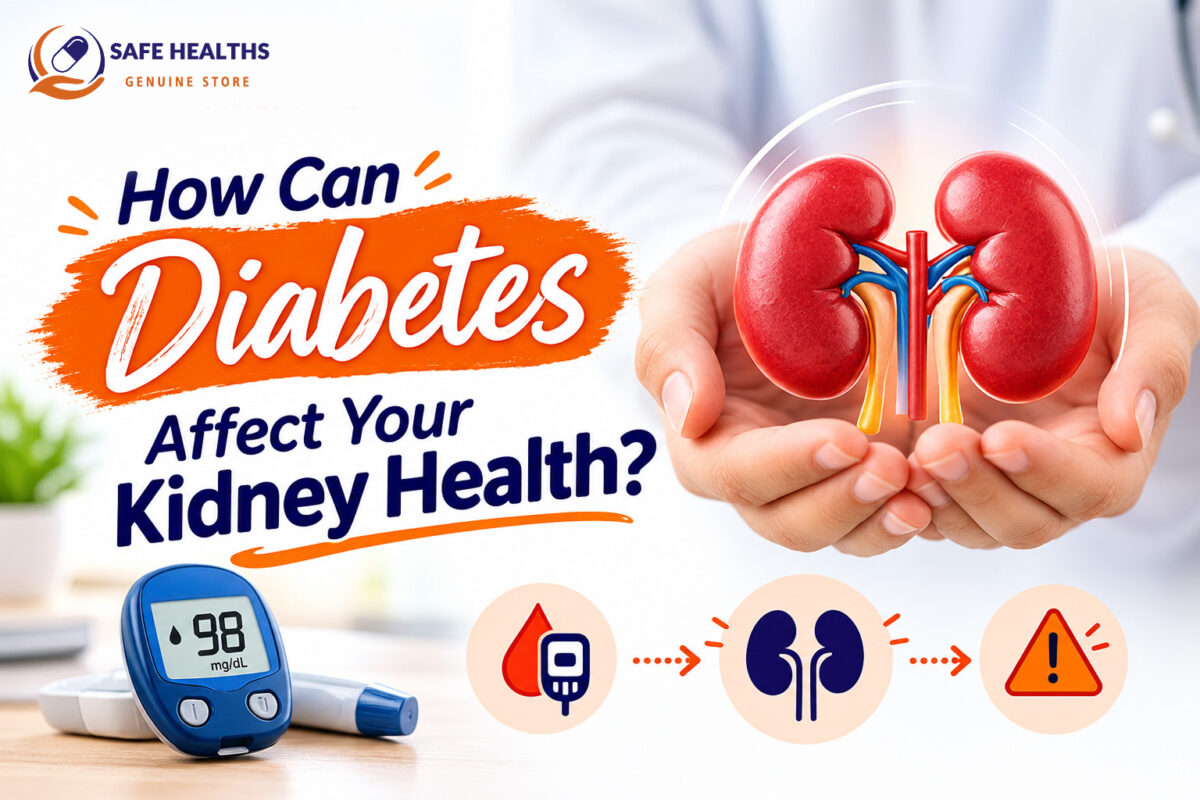
How Can Diabetes Affect Kidney Health?
How To Cure ED
Erectile dysfunction (ED) is a deeply personal and often frustrating issue, but it’s important to know you’re not alone. Millions of men experience it, and the search for a “cure” is a common one. While the word “cure” suggests a single, one-time fix, the reality is that managing and reversing ED is about identifying and treating its underlying cause.
The great news is that for many men, significant improvement and a return to a healthy sex life are absolutely achievable. This guide will walk you through the effective strategies, from lifestyle adjustments to proven medical treatments, that can help you reclaim your confidence and function.
First, What Exactly Is Erectile Dysfunction?
Before we dive into solutions, let’s be clear on what we’re discussing. Erectile dysfunction is the consistent inability to get or maintain an erection firm enough for sexual intercourse. Occasional difficulty isn’t usually a cause for concern, but when it becomes a regular pattern, it’s time to address it.
An erection is a complex process involving your brain, hormones, nerves, and blood vessels. A problem with any one of these systems can lead to ED. Therefore, treating it effectively means figuring out which system needs support.
Finding the “Why”: Common Causes of ED
The most crucial step toward treating ED is understanding its root cause. ED is often a symptom of another health issue, not a standalone condition. By addressing the primary problem, you can often resolve the ED as a result.
Physical Causes: These are the most common culprits, especially in older men. The health of your vascular system is directly linked to erectile function.
- Heart Disease & High Blood Pressure: Clogged arteries (atherosclerosis) and high blood pressure can restrict blood flow to the penis.
- Diabetes: High blood sugar can damage the nerves and blood vessels essential for an erection.
- Obesity: Excess weight contributes to heart disease, diabetes, and hormonal imbalances.
- Hormonal Imbalances: Low testosterone (Low T) can reduce libido and contribute to ED.
- Nerve Damage: Conditions like Parkinson’s disease, multiple sclerosis, or injuries to the spinal cord or pelvic area can interfere with nerve signals.
Psychological Causes: The mind plays a powerful role in sexual arousal. Mental and emotional factors can be the primary cause of ED, especially in younger men.
- Stress & Anxiety: Everyday stress or specific performance anxiety can shut down the arousal process.
- Depression: This common mood disorder can diminish interest in sex and affect physical function.
- Relationship Problems: Issues with a partner, poor communication, or unresolved conflicts can manifest as physical intimacy problems.
Lifestyle Changes: Your First Line of Defense
Before exploring medical interventions, the most powerful changes you can make start with your daily habits. Improving your overall health has a direct and positive impact on your erectile function. Think of it as building a strong foundation.
1. Adopt a Heart-Healthy Diet: What’s good for your heart is good for your erections. Focus on a diet rich in fruits, vegetables, whole grains, and lean proteins (like the Mediterranean diet). These foods help keep your blood vessels clear and healthy, promoting strong blood flow everywhere in your body.
2. Get Moving: Regular exercise is a game-changer. Aerobic activities like brisk walking, swimming, or cycling for at least 30 minutes most days of the week can dramatically improve cardiovascular health, reduce stress, and help you maintain a healthy weight—all of which fight ED.
3. Quit Smoking and Reduce Alcohol: Smoking damages blood vessels and severely restricts blood flow. Excessive alcohol consumption can act as a depressant and interfere with your ability to achieve an erection. Cutting back or quitting these habits can yield rapid improvements.
4. Prioritize Sleep: Your body regulates key hormones, including testosterone, while you sleep. Aim for 7-8 hours of quality sleep per night to ensure your body is functioning at its best.
Medical Treatments: Proven Solutions for ED
When lifestyle changes aren’t enough, or if there is a specific medical cause, several highly effective treatments are available. It is essential to consult with a doctor to determine the best and safest option for you. Self-medicating can be dangerous.
Oral Medications (PDE5 Inhibitors): This is the most well-known treatment. Drugs like Sildenafil (Viagra®), Tadalafil (Cialis®), and Vardenafil (Levitra®) work by increasing blood flow to the penis in response to sexual stimulation. They don’t create arousal but rather enable the physical response when you are aroused.
Testosterone Replacement Therapy (TRT): If blood tests confirm that your ED is caused by low testosterone, your doctor may recommend TRT in the form of gels, patches, or injections to restore normal hormone levels.
Other Medical Options: For men who cannot take oral medications, other options exist, such as vacuum erection devices, penile injections (alprostadil), or intraurethral suppositories. These are highly effective and can be discussed with a urologist.
When to See a Doctor About ED
If you are experiencing persistent ED, it’s time to book an appointment with your healthcare provider. There is no reason to be embarrassed—doctors discuss these issues every day. A professional can help you:
- Identify the underlying cause.
- Screen for related health conditions like heart disease or diabetes.
- Prescribe the safest and most effective treatment for you.
- Provide peace of mind and a clear path forward.
Your Path to Improved Sexual Health
While a single “cure” for ED might be elusive, the path to resolving it is clear. It begins with understanding the cause, embracing healthier lifestyle habits, and working with a medical professional to find the right treatment. By taking a proactive approach, you can manage the condition, improve your overall health, and restore a satisfying and confident sex life.