
Sildenafil vs. Tadalafil: What Is the Difference?
Erectile Dysfunction Symptoms, Causes, and Modern Solutions
Erectile dysfunction (ED) is a topic that many find difficult to discuss, yet it’s an incredibly common health issue. It’s estimated that more than 30 million men in the United States experience some form of ED. The good news is that understanding the condition is the first step toward finding a solution. This post will demystify erectile dysfunction, breaking down its symptoms, exploring its root causes, and highlighting the effective modern solutions available today.
What are the Symptoms of Erectile Dysfunction?
While the name seems self-explanatory, ED is more than just a single issue. It’s a persistent problem, not an occasional one. If you’re wondering whether you’re experiencing ED, look for these recurring symptoms:
Difficulty getting an erection: This is the most common and primary symptom. You may find it challenging to achieve an erection even with sexual stimulation.
Difficulty maintaining an erection: You might be able to get an erection, but find that it doesn’t last long enough for satisfying sexual intercourse.
Reduced sexual desire: While not a direct physical symptom of ED, a decreased libido often accompanies it. The psychological stress of ED or an underlying hormonal issue can impact your overall desire for sex.
It’s important to remember that nearly every man experiences occasional difficulty with erections, especially during times of stress or fatigue. ED is defined by the persistence of these symptoms over several weeks or months, impacting your well-being and relationships.
Uncovering the Causes of Erectile Dysfunction
Erectile dysfunction is rarely just a standalone problem; it’s often a symptom of a deeper underlying issue. The causes can be broadly categorized into physical and psychological factors, and for many men, it’s a combination of both.
Physical Causes of ED
An erection is a complex process involving your brain, hormones, nerves, and blood vessels. A problem with any of these systems can lead to ED. The most common physical causes include:
Cardiovascular Disease: This is the leading cause of ED. Conditions like high blood pressure, high cholesterol, and atherosclerosis (clogged arteries) restrict blood flow throughout the body, including to the penis.
Diabetes: High blood sugar can damage nerves and blood vessels over time, impairing the signals and blood flow necessary for an erection.
Hormonal Imbalances: Low testosterone levels can contribute to ED, often accompanied by low libido and fatigue.
Neurological Conditions: Diseases such as Parkinson’s, multiple sclerosis (MS), or spinal cord injuries can interfere with the nerve signals from the brain to the penis.
Lifestyle Factors: Obesity, smoking, excessive alcohol consumption, and a sedentary lifestyle all contribute to poor vascular health and can worsen or cause ED.
Medications: Certain prescription drugs, including some antidepressants, blood pressure medications, and antihistamines, can have ED as a side effect.
Psychological Causes of ED
The mind plays a powerful role in sexual arousal. Mental and emotional health issues can be a primary cause of ED or a significant contributing factor.
Stress and Anxiety: Everyday stress from work, finances, or life events can inhibit sexual response. Performance anxiety—the fear of not being able to achieve an erection—can create a self-fulfilling prophecy.
Depression: This common mental health condition can profoundly impact sexual desire and function.
Relationship Problems: Issues with communication, intimacy, or unresolved conflict with a partner can contribute to erectile difficulties.
Modern Solutions and Treatments for ED
The days of suffering in silence are over. Thanks to medical advancements, there are more effective and accessible treatments for ED than ever before. The most crucial step is speaking with a healthcare professional to identify the root cause and find the right solution for you.
Lifestyle Changes
This is the foundation of good health and often the first line of defense. A doctor will likely recommend increasing physical activity, adopting a heart-healthy diet (like the Mediterranean diet), quitting smoking, and reducing alcohol intake. These changes can improve blood flow and overall health, sometimes resolving mild ED entirely.
Oral Medications (PDE5 Inhibitors)
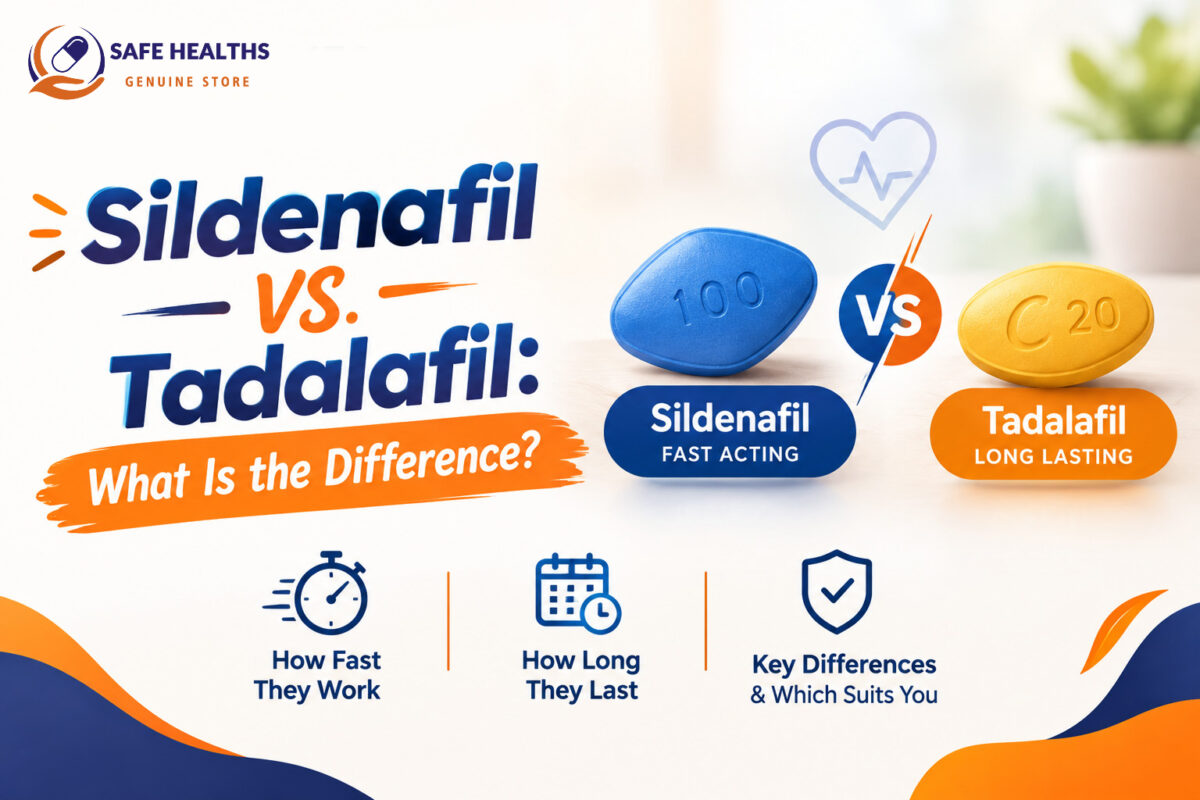
These are the most well-known treatments for ED. Medications like Sildenafil (Viagra®), Tadalafil (Cialis®), and Vardenafil (Levitra®) work by increasing blood flow to the penis in response to sexual stimulation. They are safe and effective for many men but require a prescription and a doctor’s guidance.
Testosterone Replacement Therapy (TRT)
If blood tests reveal that low testosterone is the cause of your ED, your doctor may recommend TRT. This can be administered via gels, patches, injections, or pellets to restore hormone levels, which can improve both libido and erectile function.
Low-Intensity Shockwave Therapy (LI-SWT)
A cutting-edge, non-invasive solution, shockwave therapy uses low-intensity acoustic waves to stimulate the growth of new blood vessels and improve blood flow in the penis. This treatment aims to restore natural erectile function without the need for pills.
Vacuum Erection Devices (VEDs)
A VED is a non-drug option that involves placing a plastic cylinder over the penis and using a pump to create a vacuum. This draws blood into the penis, creating an erection. A constriction ring is then placed at the base to maintain it.
Psychological Counseling
If the cause of your ED is primarily psychological, therapy can be incredibly effective. A therapist can help you manage stress, anxiety, or depression. Couples counseling can also help resolve relationship issues that may be contributing to the problem.
The Takeaway: You’re Not Alone
Erectile dysfunction is a medical condition, not a personal failing. It’s common, it has clear causes, and most importantly, it is highly treatable. By understanding the symptoms and seeking professional guidance, you can explore the modern solutions that will help you regain your confidence and restore your sexual health. The first and most important step is to start a conversation with your doctor.

