How to Talk to Your Doctor About Erectile Dysfunction
Erectile Dysfunction Symptoms, Causes, and Modern Solutions
Erectile dysfunction (ED) is a topic that many men are hesitant to discuss, but it’s an incredibly common health issue. The silence surrounding it often leads to misinformation and unnecessary stress. The truth is, ED is not a personal failure or a sign of diminished masculinity; it’s a medical condition with identifiable causes and, most importantly, effective solutions. Understanding the fundamentals is the first step toward reclaiming your confidence and sexual health.
This comprehensive guide will walk you through the essential information about erectile dysfunction, from recognizing the symptoms to exploring the modern treatments that are changing lives.
What Are the Symptoms of Erectile Dysfunction?
While the name seems self-explanatory, ED is more than just a single event. It’s a consistent pattern of symptoms. If you experience the following on a regular basis, you may be dealing with ED:
- Difficulty achieving an erection: The primary symptom is the inability to get an erection despite sexual stimulation.
- Inability to maintain an erection: You may be able to achieve an erection but find it doesn’t last long enough for satisfactory sexual intercourse.
- Reduced sexual desire or libido: While not always present, a noticeable decrease in your interest in sex can sometimes accompany ED.
It’s important to note that occasional difficulty with erections is normal and can be caused by factors like fatigue, stress, or excessive alcohol consumption. ED is diagnosed when these issues become persistent and cause distress.
Uncovering the Common Causes of ED
Erectile dysfunction is rarely “just in your head.” In fact, the vast majority of cases have a physical root cause. An erection is a complex process involving the brain, hormones, nerves, muscles, and blood vessels. A problem with any of these systems can lead to ED.
Physical Causes
Often, ED is an early warning sign of a more significant underlying health issue. The most common physical causes are related to circulation and blood flow.
- Heart Disease & Atherosclerosis: Clogged or hardened arteries can restrict blood flow to the penis, making an erection difficult.
- High Blood Pressure (Hypertension): Over time, high blood pressure can damage the lining of your arteries, impeding blood flow.
- Diabetes: High blood sugar can damage both the nerves and blood vessels essential for an erection.
- Obesity: Excess weight is linked to diabetes, heart disease, and hormonal imbalances that contribute to ED.
- Low Testosterone: While low libido is the more common symptom, low testosterone can also play a role in erectile function.
- Neurological Disorders: Conditions like Parkinson’s disease, multiple sclerosis (MS), or spinal cord injuries can interfere with the nerve signals sent from the brain to the penis.
- Certain Medications: Antidepressants, blood pressure medications, and antihistamines are among the prescription drugs that can have ED as a side effect.
Psychological Causes
The brain plays a crucial role in triggering the physical events that cause an erection, starting with feelings of sexual excitement. A number of psychological factors can interfere with this process.
- Stress and Anxiety: Everyday stress from work, finances, or life events can inhibit sexual response.
- Performance Anxiety: Worrying about being able to achieve or maintain an erection can create a self-fulfilling prophecy.
- Depression: This common mental health condition can reduce libido and affect physical function.
- Relationship Problems: Issues with communication, intimacy, or unresolved conflicts with a partner can contribute to ED.
Modern Solutions: Reclaiming Your Confidence
The good news is that you don’t have to live with erectile dysfunction. Treatment has evolved significantly, moving beyond just a single “little blue pill.” Today, there is a wide spectrum of effective, modern solutions tailored to the individual’s needs and underlying causes.
1. Lifestyle Modifications
This is the foundation of any effective treatment plan. Making healthy changes can improve not only ED but your overall health.
- Diet and Exercise: A heart-healthy diet and regular physical activity improve circulation, help you lose weight, and boost your mood.
- Quit Smoking: Smoking damages blood vessels and is a major risk factor for ED.
- Limit Alcohol: Excessive alcohol consumption can impair erectile function.
- Manage Stress: Techniques like mindfulness, meditation, or therapy can reduce the psychological burden contributing to ED.
2. Oral Medications
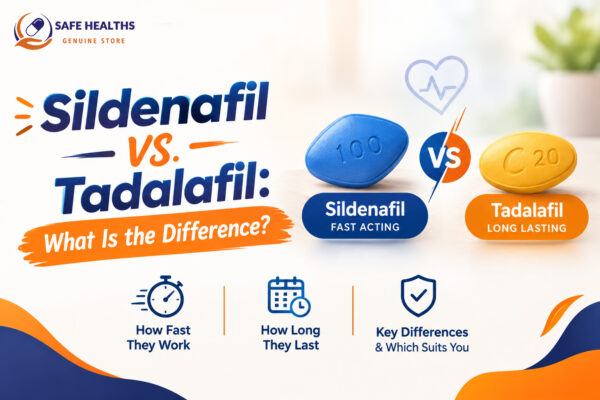
Medications like Sildenafil (Viagra), Tadalafil (Cialis), and Vardenafil (Levitra) are known as PDE5 inhibitors. They work by increasing blood flow to the penis in response to sexual stimulation. They are highly effective for many men but require a prescription from a doctor.
3. Shockwave Therapy (GAINSWave®)
This is a cutting-edge, non-invasive solution that addresses the root cause of ED for many men: poor blood flow. Low-intensity acoustic waves are used to stimulate the growth of new blood vessels and break up plaque in existing ones. It’s a long-term solution that aims to restore natural, spontaneous function without pills or needles.
4. The P-Shot® (Priapus Shot)
The P-Shot is a regenerative medicine technique that uses platelet-rich plasma (PRP) from your own blood. The concentrated growth factors in the PRP are injected into the penis to help repair tissue, improve nerve sensitivity, and enhance blood flow, leading to stronger and more sustainable erections.
5. Testosterone Replacement Therapy (TRT)
For men whose ED is directly linked to clinically low testosterone levels, TRT can be an effective solution. Administered via gels, injections, or pellets, TRT can restore hormone levels, improving libido and erectile function.
When to See a Doctor
If you are persistently experiencing symptoms of ED, it’s time to talk to a healthcare professional. It can be a difficult conversation, but it’s a crucial one. A doctor can help you identify the underlying cause, whether it’s physical, psychological, or a combination of both. Remember, treating ED is not just about improving your sex life—it’s about taking control of your overall health.
Erectile dysfunction is common, treatable, and nothing to be ashamed of. With today’s advanced understanding and modern solutions, you have more options than ever to address the issue and get back to feeling your best.