Stress and Erectile Dysfunction: Understanding the Link
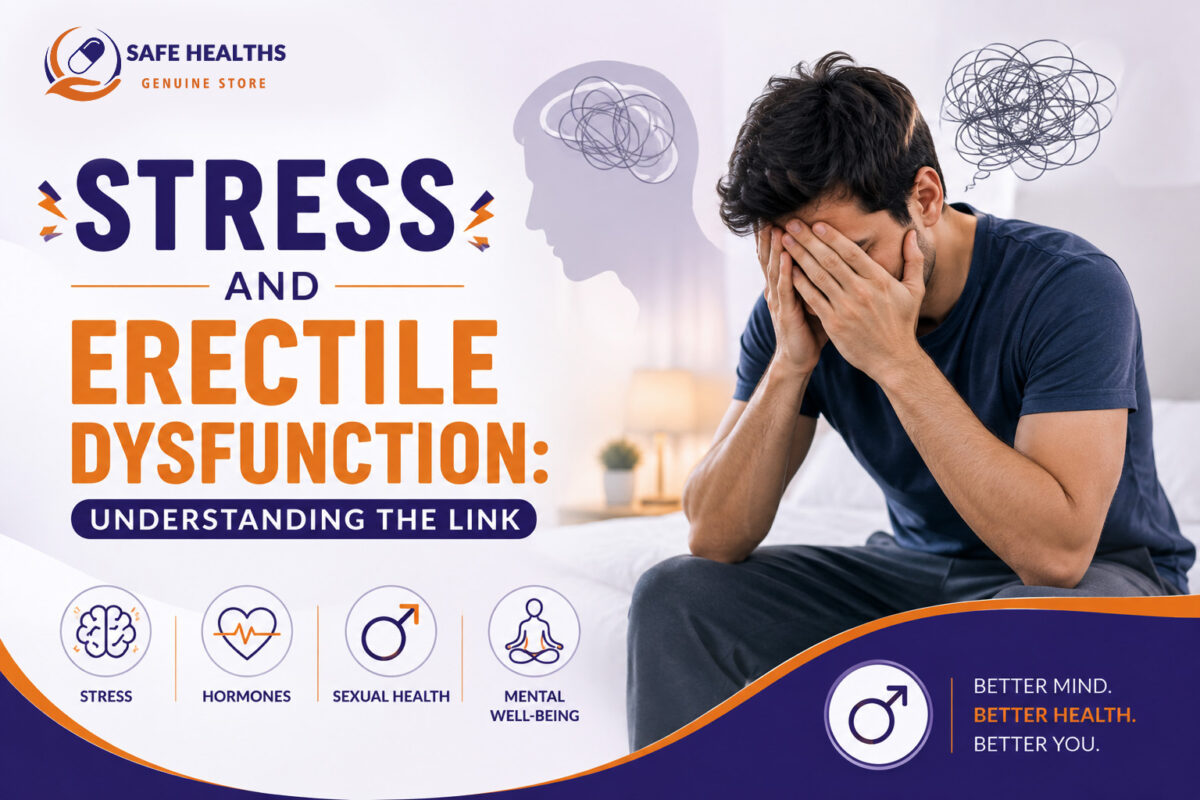
Stress and Erectile Dysfunction: Understanding the Link
Stress is one of the most common, and most underestimated, contributors to erectile dysfunction (ED). Men often brush off a few difficult nights as “just stress,” and sometimes that is exactly what it is. But stress can also be a long-running background factor that keeps erections from working, interacts with other causes, and creates a cycle that is hard to escape without understanding it.
This guide explains how stress and ED are linked, the different kinds of stress involved, how to tell whether stress is the main cause, and which treatments help most.
What Is Stress, Biologically?
Stress is the body’s response to demands or threats. When you perceive stress, the brain triggers the sympathetic nervous system and the release of hormones such as adrenaline and cortisol. This “fight or flight” response speeds up the heart, raises blood pressure, tenses muscles, and redirects blood to the muscles and away from non-essential functions. This is helpful in a crisis, but an erection is a “rest and digest” process that works best when the body feels safe.
How Stress Interferes With Erections
1. Stress Hormones Narrow Blood Vessels
Adrenaline constricts blood vessels, including the arteries supplying the penis. To get an erection, these vessels need to widen. When they stay tight, blood flow is reduced.
2. The Brain Is Distracted
Arousal begins in the brain. Racing thoughts, worry about work, money, or performance take attention away from erotic cues and sensations. The brain may even send signals that inhibit erections.
3. Chronic Stress Lowers Desire and Hormones
Long-term high cortisol can suppress testosterone and reduce sex drive. It also affects mood and energy.
4. Poor Sleep and Exhaustion
Stress often disrupts sleep, which reduces testosterone, energy, and mood and further hurts sexual function.
5. Unhealthy Coping Habits
Under stress, many men drink more alcohol, smoke, eat poorly, and exercise less. Each of these independently harms erections.
Types of Stress That Can Affect Erections
- Work stress: Long hours, job insecurity, deadlines, and burnout.
- Financial stress: Debt, unemployment, or money worries.
- Relationship stress: Conflict, poor communication, infidelity, or fear of rejection.
- Life events: Bereavement, divorce, moving, new parenthood, or illness.
- Sexual performance stress: Worry about satisfying a partner, penis size, or lasting long enough.
- Trauma and past experiences: Previous sexual difficulties or abuse.
- Mental health conditions: Anxiety disorders, depression, and post-traumatic stress.
For more about how stress hormones work in this context, read how stress causes erectile dysfunction.
The Stress and ED Cycle
A stressful period leads to one or two difficult experiences. The man begins to worry that it will happen again, so he approaches sex anxiously, monitoring himself instead of enjoying it. The anxiety produces more stress hormones, and the difficulty returns. Over time, he may avoid sex, which creates distance from his partner and more stress. This pattern is a self-reinforcing loop, and breaking it is central to treatment.
Is Stress Causing Your ED?
Clues that stress may be the main factor include:
- ED began during a stressful period or after a specific upsetting event.
- You still wake with erections or get erections during masturbation.
- It happens in some situations but not others.
- You feel tense, irritable, or unable to relax.
- Your sleep is poor, and you are often tired.
- You have no major medical conditions.
These clues are not definitive. Stress and physical causes often coexist, and ED can itself be a source of stress. A medical assessment is the best way to find out.
Stress, Anxiety, and Depression: What Is the Difference?
Stress is a response to pressure and usually eases when the pressure does. Anxiety involves persistent worry and tension, even without a clear trigger. Depression involves low mood, loss of interest, and often reduced sex drive. All three can affect erections, and they often overlap. Explore the details in whether anxiety can cause erectile dysfunction, and the broader connection between ED and mental health.
What Can Help
1. Reduce the Stressors You Can Control
- Set boundaries on working hours and take proper breaks.
- Make a realistic budget and seek help with debt if needed.
- Tackle practical problems one step at a time.
- Delegate, say no, and prioritise.
2. Build Daily Relaxation Habits
- Slow breathing: Breathe in for four seconds and out for six, for five minutes a day.
- Mindfulness and meditation: Even ten minutes can lower stress reactivity.
- Progressive muscle relaxation or yoga.
- Time outdoors and hobbies.
3. Exercise
Physical activity reduces stress hormones, improves mood and sleep, and supports blood vessel health. Aim for 150 minutes a week.
4. Protect Your Sleep
Keep a regular schedule, limit screens and caffeine at night, and make your bedroom dark and cool.
5. Cut Back on Alcohol, Nicotine, and Drugs
These can seem to relieve stress but make erections and anxiety worse.
6. Talk to Your Partner
Share what is going on. Reassurance and understanding reduce pressure. Focus on closeness and pleasure instead of performance.
7. Try Therapy
Cognitive behavioural therapy helps identify and change anxious thoughts. Sex therapy and couples counselling can improve communication and reduce performance anxiety. Many men notice improvement within a few months.
8. Consider Medical Support
Prescription tablets may help break the cycle by giving you confidence that an erection is possible. They should be used under medical guidance. If you have an anxiety disorder or depression, treating it is essential.
See whether stress management can improve erectile function for the evidence on these strategies, and how stress affects male sexual performance for the wider picture.
Ruling Out Physical Causes
Even if stress seems obvious, it is sensible to check for physical causes. A doctor may look at blood pressure, blood sugar, cholesterol, testosterone, and your medicines. Some antidepressants and other medicines used to treat stress and anxiety can themselves affect sexual function, so never stop them without medical advice.
What to Avoid
- Relying on alcohol or drugs to relax before sex.
- Avoiding intimacy entirely.
- Blaming yourself or your partner.
- Buying unregulated pills online.
- Ignoring symptoms of depression or anxiety.
When to See a Doctor
See a doctor if ED lasts more than a few weeks, if stress feels overwhelming, if you have symptoms of depression or anxiety, or if ED comes with chest pain or other physical symptoms. If you ever have thoughts of harming yourself, contact emergency services or a local crisis line immediately.
Frequently Asked Questions
Can stress alone cause ED?
Yes, particularly in younger men. It can also worsen ED from other causes.
Will ED go away when stress ends?
Often, but anxiety about performance can keep it going, so addressing that is important.
Does ED cause stress?
Yes. It can cause worry and low mood, which feed into a cycle.
Final Thoughts
Stress and ED are tightly connected, and understanding the link is the first step toward breaking the cycle. Reduce what you can, build relaxation into your day, move your body, talk with your partner, and ask for professional help when needed. Most men whose ED is stress-related improve.
This article is for general information only and is not a substitute for professional medical advice. If you are in crisis, contact your local emergency services or crisis line.