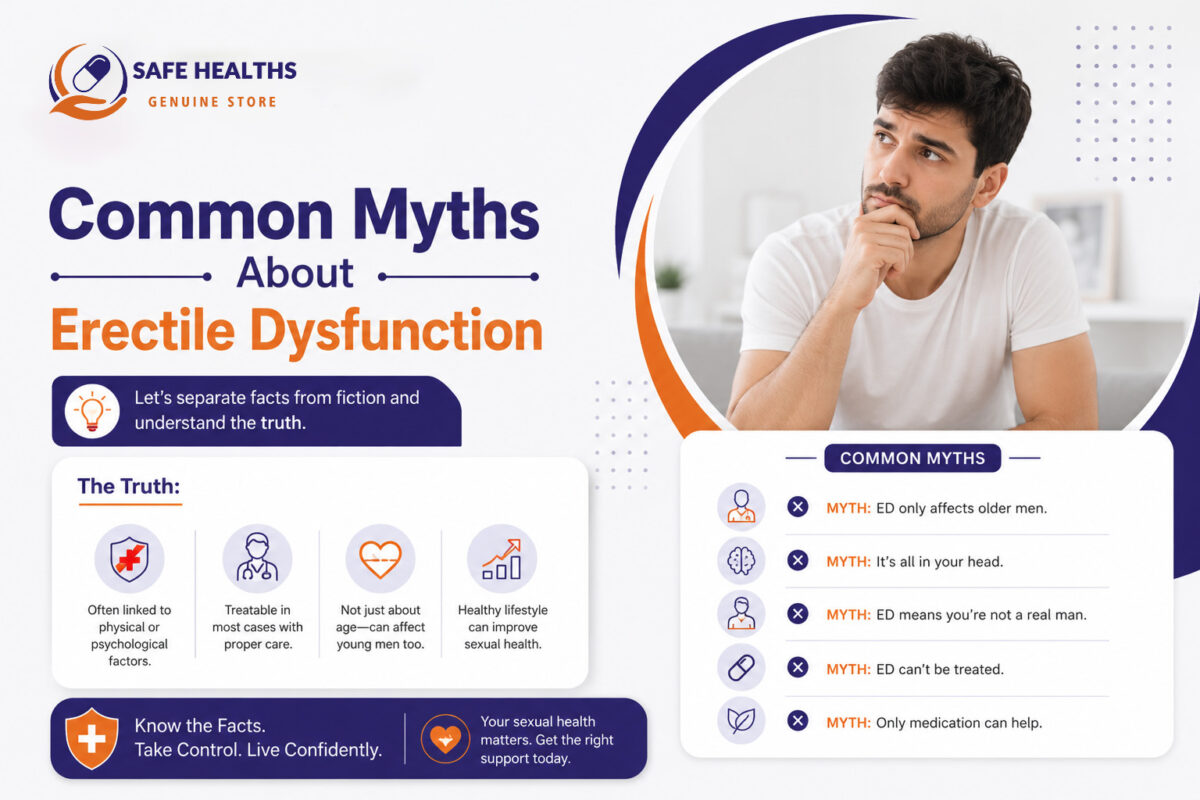
Common Myths About Erectile Dysfunction
Understanding and Treating Erectile Dysfunction: A Comprehensive Guide
Erectile dysfunction (ED) is a common health issue that affects millions of men worldwide. It can be a source of stress, affect self-confidence, and contribute to relationship problems. If you’re searching for a “cure for ED,” it’s important to understand that the solution is often multifaceted and depends heavily on the underlying cause. While a single magic-bullet “cure” may not exist for everyone, the great news is that ED is highly treatable. This guide will walk you through the effective, evidence-based ways to manage, improve, and in many cases, reverse erectile dysfunction.
Important Note: This article is for informational purposes only. Always consult with a qualified healthcare professional for diagnosis and a personalized treatment plan before starting any new regimen.
First, What Causes Erectile Dysfunction?
To effectively treat ED, you must first understand its potential origins. The causes can be broadly categorized into two groups: physical and psychological. Often, it’s a combination of both.
Physical Causes: These are the most common culprits, especially in older men. The health of your erections is a strong indicator of your overall cardiovascular health.
- Heart Disease & Clogged Blood Vessels (Atherosclerosis): Proper blood flow is essential for an erection. Conditions that harm your blood vessels can directly impact your ability to achieve one.
- High Blood Pressure: Over time, hypertension can damage the lining of your arteries, impeding blood flow.
- Diabetes: High blood sugar can damage both the nerves and blood vessels responsible for erections.
- Obesity: Being overweight is linked to many of the conditions above and can also disrupt hormonal balance.
- Hormonal Imbalances: Low testosterone (Low T) or other hormonal issues can contribute to ED.
- Certain Medications: Some prescription drugs for blood pressure, depression, and other conditions can have ED as a side effect.
Psychological Causes: The brain plays a key role in triggering the physical events that lead to an erection. Mental health issues can interfere with this process.
- Stress and Anxiety: Everyday stress or specific performance anxiety can be a major barrier.
- Depression: This common mood disorder can reduce libido and cause erectile difficulties.
- Relationship Problems: Issues with a partner can lead to stress and performance issues.
The Most Important Step: Talk to Your Doctor
Before you try any treatment, your first and most critical step is to schedule an appointment with your doctor. This isn’t just about getting a prescription; it’s about protecting your overall health. Because ED is often an early warning sign of more serious underlying conditions like heart disease or diabetes, a proper diagnosis is vital. Your doctor can run tests, review your medical history, and help you identify the root cause of your ED to create a safe and effective treatment plan.
Lifestyle Changes: The Foundation of Treatment
For many men, making significant lifestyle changes can dramatically improve or even resolve ED, especially if the cause is related to cardiovascular health. Think of these as the foundational pillars for long-term success.
1. Adopt a Heart-Healthy Diet: What’s good for your heart is good for your erections. Focus on a diet rich in fruits, vegetables, whole grains, and lean proteins. Foods high in flavonoids, like berries, citrus fruits, and leafy greens, have been shown to be particularly beneficial for erectile function.
2. Get Regular Exercise: Physical activity is a powerful tool. Aim for at least 30 minutes of moderate cardiovascular exercise, like brisk walking, jogging, or cycling, most days of the week. Exercise improves blood flow, helps you maintain a healthy weight, and reduces stress.
3. Quit Smoking and Limit Alcohol: Smoking is a primary cause of vascular disease, which directly restricts blood flow to the penis. Quitting is one of the best things you can do for your erectile health. Similarly, excessive alcohol consumption can impair erectile function, so moderation is key.
4. Manage Stress and Prioritize Sleep: Chronic stress floods your body with adrenaline, which can constrict blood vessels. Practice stress-reducing techniques like meditation, yoga, or mindfulness. Aim for 7-8 hours of quality sleep per night, as this is when your body regulates key hormones.
Medical Treatments for ED
When lifestyle changes aren’t enough, or for cases with more direct physical causes, several effective medical treatments are available under a doctor’s supervision.
Oral Medications (PDE5 Inhibitors): These are the most common first-line treatment. Drugs like sildenafil (Viagra), tadalafil (Cialis), and vardenafil (Levitra) work by enhancing the effects of nitric oxide, a natural chemical your body produces that relaxes muscles in the penis. This increases blood flow and allows you to get an erection in response to sexual stimulation. These medications require a prescription and are not suitable for everyone, especially those with certain heart conditions.
Testosterone Replacement Therapy (TRT): If blood tests confirm that your ED is caused by clinically low testosterone, your doctor may recommend TRT. This can be administered via gels, injections, or patches to restore hormone levels and improve libido and erectile function.
Other Medical Options: For men who cannot take oral medications, other effective options exist. These include injectable medications, intraurethral suppositories, and vacuum erection devices. These treatments are highly effective and should be discussed with a specialist.
The Final Word on Curing ED
While the word “cure” can be tricky, the reality is that erectile dysfunction is a highly manageable condition. For many, a combination of healthy lifestyle changes may be all that’s needed to restore full function. For others, proven and effective medical treatments can provide a reliable solution. The path to improvement starts with an open conversation with your doctor. By taking control of your health, you are not just treating ED—you are investing in a longer, healthier, and more fulfilling life.