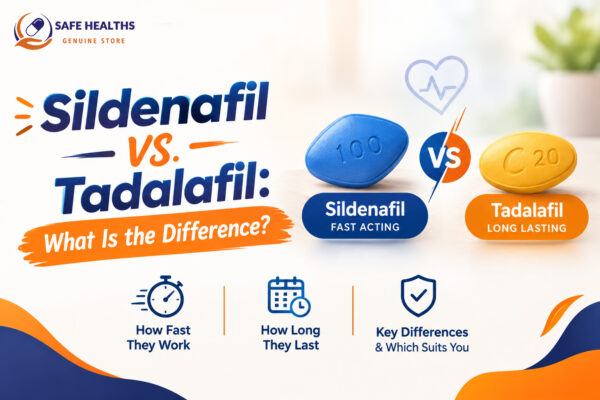
Erectile Dysfunction at a Young Age: Causes and Treatment Options
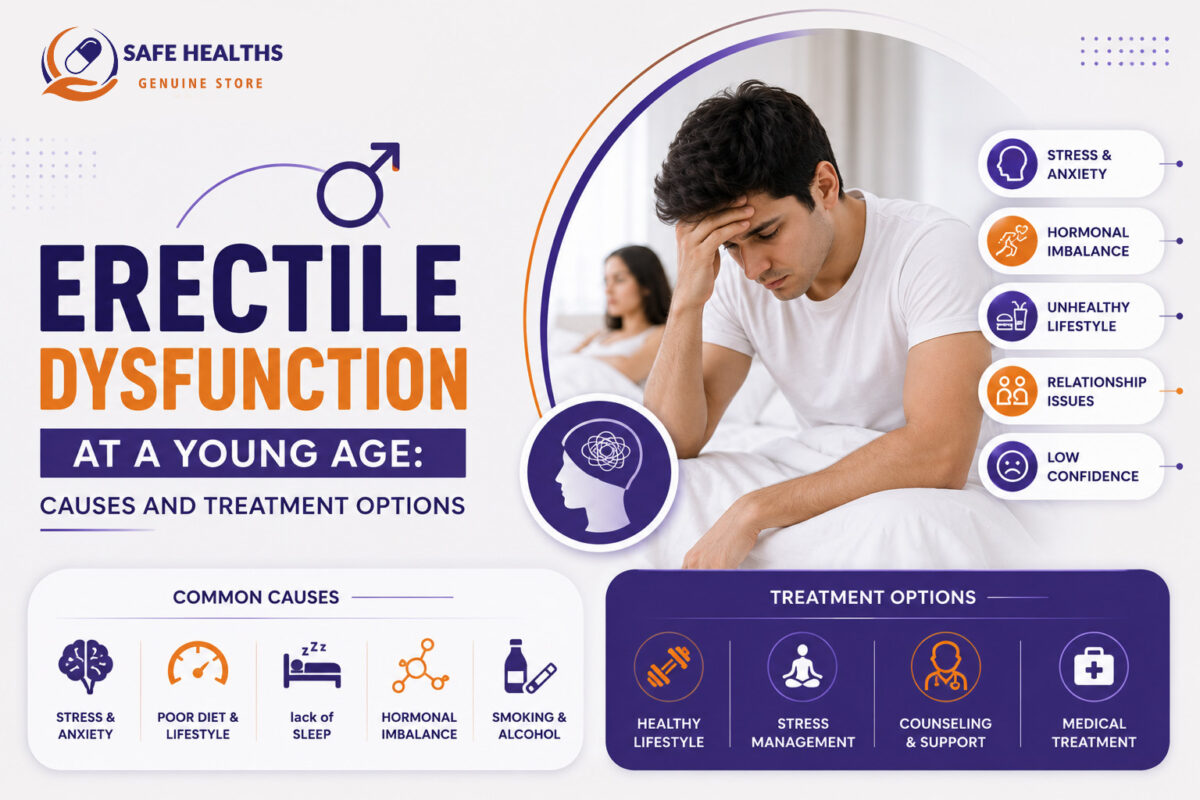
Erectile Dysfunction at a Young Age: Causes and Treatment Options
Erectile dysfunction (ED) is often seen as a problem of older men, so many young men feel confused, embarrassed, or alone when it happens to them. In fact, ED in men under 40 is more common than most people realise. Studies of men seeking help for ED have found that around one in four are younger than 40. For these men, the causes, emotional impact, and treatment priorities can differ from those of older men.
This guide explains why ED happens at a young age, which causes are most common, how it is evaluated, what treatments work, and how to cope. If you are a young man with ED, the most important message is that you are not alone, and in many cases it can be improved.
How Common Is ED in Young Men?
Estimates vary with how ED is defined and the population studied, but surveys suggest that a significant minority of men in their twenties and thirties experience some degree of erectile difficulty. Occasional problems are common and often temporary. Persistent ED, meaning regular difficulty over several months, is less common but still affects many young men. It is more likely in men with other risk factors, such as smoking, obesity, drug use, or mental health conditions.
Common Causes in Young Men
1. Psychological Factors
In younger men, psychological causes are among the most common. They include:
- Performance anxiety: Worry about satisfying a partner, lasting long enough, or “failing.”
- Stress: From work, studies, finances, or family. See how stress causes erectile dysfunction.
- Depression and anxiety disorders.
- Relationship issues: Conflict, lack of trust, or being with a new partner.
- Body image concerns and low self-esteem.
- Past negative or traumatic sexual experiences.
Learn more about whether anxiety can cause erectile dysfunction.
2. Lifestyle Factors
- Smoking and vaping: Damage blood vessels and reduce nitric oxide.
- Heavy alcohol use.
- Recreational drugs: Cannabis in heavy use, cocaine, amphetamines, MDMA, and opioids can all affect erections.
- Obesity and inactivity.
- Poor sleep and irregular schedules.
- Anabolic steroid use, which can suppress natural testosterone.
3. Medicines
Some prescription medicines can cause ED in young men, including certain antidepressants (SSRIs), medicines for acne or hair loss such as finasteride, some blood pressure tablets, and certain others. Do not stop medicines on your own. Talk to your doctor, who may be able to adjust the dose or switch the medicine.
4. Medical Conditions
- Type 1 or early type 2 diabetes: Can damage nerves and blood vessels.
- High blood pressure and high cholesterol, which are increasingly common in young adults.
- Low testosterone: Often related to obesity, steroid use, or testicular problems.
- Thyroid disorders.
- Sleep apnoea.
- Neurological conditions, such as multiple sclerosis.
- Peyronie’s disease and penile conditions.
- Pelvic or spinal injury, including cycling injuries in rare cases.
5. Sexual Habits and Expectations
Unrealistic expectations from pornography, heavy porn use, and very hurried or high-intensity masturbation habits have been discussed as possible contributors to difficulties with partnered sex in some men, though research is still evolving. If you think habits may be involved, a doctor or sex therapist can help without judgement.
How Do You Know if the Cause Is Psychological?
Clues include a sudden onset, normal erections in the morning or when alone, problems only in certain situations, and a clear link to stress or anxiety. But these are not definitive, and physical causes can coexist. For this reason, even young men should have a basic medical assessment.
Why ED in a Young Man Should Be Taken Seriously
ED at a young age is not always “just anxiety.” It can occasionally be the first sign of diabetes, high blood pressure, hormone problems, or cardiovascular risk. Research suggests that ED in men under 40 is associated with a higher risk of heart disease later, particularly when it is severe or persistent. This is not a reason to panic. It is a reason to get a check-up and look after your health. Read men’s health problems in young adults to see what else to watch for.
What Happens at the Doctor?
A doctor will ask about your symptoms, health, mood, relationships, substance use, and medicines. They may examine you and arrange blood tests for blood sugar, cholesterol, and testosterone. See how doctors diagnose erectile dysfunction for what to expect. It is a routine conversation, and doctors treat ED sensitively.
Treatment Options for Young Men
1. Lifestyle Changes
- Stop smoking and vaping, and cut back on alcohol.
- Avoid recreational drugs and steroids.
- Exercise regularly and maintain a healthy weight.
- Eat a balanced diet.
- Prioritise sleep.
See whether erectile dysfunction can improve with lifestyle changes.
2. Psychological Treatment
- Cognitive behavioural therapy: Reduces performance anxiety.
- Sex therapy: Helps you and your partner rebuild intimacy and reduce pressure.
- Mindfulness and relaxation.
- Treatment for depression or anxiety, if present.
3. Treating Underlying Medical Conditions
Managing diabetes, high blood pressure, thyroid problems, or low testosterone can improve erections. A doctor may review your medicines for side effects.
4. Prescription Tablets
PDE5 inhibitors such as sildenafil and tadalafil work well in many young men. They can help break the anxiety cycle by providing confidence. They should be prescribed after assessment, and are not suitable for men taking nitrate medicines. Avoid buying pills online from unverified sources.
5. Other Options
Vacuum devices, injections, and other treatments are available if tablets do not work or are unsuitable, although they are rarely needed first in young men.
Coping Emotionally
- Remember that ED is common and does not reflect your worth or masculinity.
- Talk to your partner honestly. Most people respond with understanding.
- Take pressure off sex by focusing on closeness and pleasure.
- Talk to a trusted friend, doctor, or therapist.
- Avoid isolating yourself or using alcohol or drugs to cope.
Tips for Talking to a New Partner
You do not have to share everything immediately, but being open can reduce pressure. A simple statement such as “I sometimes get nervous, and it can affect me” can ease tension. Start with kindness and trust.
Outlook
The outlook for ED in young men is generally good. Many cases are linked to reversible factors such as stress, lifestyle, or medicines and improve with treatment. Even when there is an underlying condition, effective options exist.
When to See a Doctor
See a doctor if ED lasts more than a few weeks, appears suddenly, or is accompanied by other symptoms, such as low sex drive, fatigue, chest pain, or numbness. Seek urgent help for an erection lasting more than four hours, or if you have thoughts of harming yourself.
Frequently Asked Questions
Is ED in your twenties normal?
It is more common than many think. Occasional problems are usual, and persistent problems deserve a medical check.
Can masturbation or porn cause ED?
Normal masturbation does not. Heavy porn use may contribute to difficulties in some men. Talk to a professional if you are worried.
Will I need medication forever?
Not necessarily. Many young men improve with lifestyle changes and therapy and may not need ongoing medicine.
Final Thoughts
ED at a young age is more common than you might expect, and it is usually treatable. Seek a check-up, address lifestyle and mental health factors, and consider therapy or medicines where needed. Getting help early protects both your sexual health and your overall wellbeing.
This article is for general information only and is not a substitute for professional medical advice.