What Your Erectile Dysfunction Could Be Telling You About Your Health
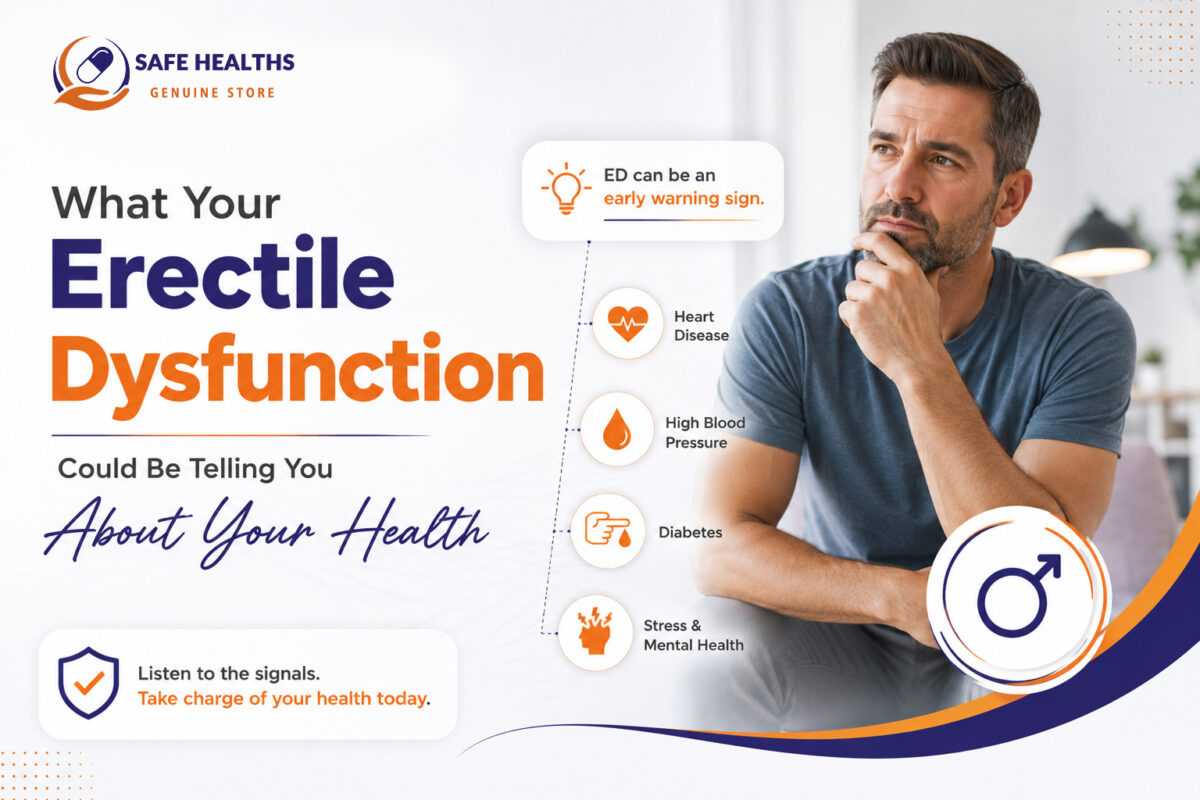
What Your Erectile Dysfunction Could Be Telling You About Your Health
Erectile dysfunction (ED) is not only a sexual problem. Because an erection depends on healthy blood vessels, working nerves, balanced hormones, and a settled mind, difficulty with erections can be a window into your wider health. In some men, ED is the very first sign of a condition that has not yet shown any other symptoms.
This guide explains what ED may be telling you about your heart, blood sugar, hormones, mental health, medicines, and lifestyle, which signs to take seriously, and how to use ED as a prompt to get a health check.
Why ED Can Be an Early Warning
The blood vessels that supply the penis are very small, so they may show the effects of damage before the larger vessels of the heart or brain do. The same factors that harm them, such as high blood pressure, high cholesterol, smoking, and diabetes, harm blood vessels everywhere. This is why ED can appear years before conditions such as heart attack, stroke, and peripheral artery disease. It does not mean that ED always signals serious disease, but it is a good reason to look.
1. Heart and Blood Vessel Disease
This is the most important link. Men with ED have a higher average risk of heart attack, stroke, and cardiovascular death. ED is especially concerning if it comes with chest pain, breathlessness on exertion, or leg pain on walking. A cardiovascular check, including blood pressure, cholesterol, and risk assessment, is advised. Read ED and heart health: is there a connection? for the evidence.
2. High Blood Pressure
High blood pressure damages and stiffens artery walls, reducing the ability of vessels to widen. It is often silent. Some blood pressure medicines can also contribute to ED, so treatment needs to be reviewed rather than stopped.
3. Diabetes and Prediabetes
High blood sugar damages blood vessels and nerves. ED can be an early sign of undiagnosed diabetes, especially if you also have increased thirst, frequent urination, tiredness, or blurred vision. Men with diabetes develop ED more often and earlier. See diabetes and erectile dysfunction.
4. High Cholesterol and Metabolic Syndrome
Cholesterol builds up in artery walls and reduces blood flow. Metabolic syndrome, a cluster of abdominal obesity, high blood pressure, high blood sugar, and abnormal blood fats, is strongly associated with ED.
5. Hormonal Problems
Low testosterone, thyroid disorders, and high prolactin can contribute to ED and often cause other symptoms such as fatigue, low mood, and low sex drive. These are not the most common causes of ED but are important to identify. See the difference between low testosterone and ED.
6. Nerve and Spinal Conditions
Conditions such as multiple sclerosis, Parkinson’s disease, spinal injury, and neuropathy can affect the signals that trigger erections. ED combined with numbness, tingling, weakness, or bladder or bowel changes needs medical assessment.
7. Sleep Apnoea
Men with sleep apnoea frequently have ED. Warning signs include loud snoring, pauses in breathing, waking gasping, and excessive daytime sleepiness. Treating sleep apnoea can improve sexual function in some men and also protects the heart.
8. Kidney and Liver Disease
Chronic kidney disease and liver disease are associated with ED because of hormone changes, nerve effects, and circulation problems.
9. Depression, Anxiety, and Stress
Mental health conditions are both a cause and a consequence of ED. Persistent low mood, loss of interest, constant worry, or panic alongside ED should be addressed. See the connection between ED and mental health.
10. Medicines and Substances
Several common medicines can cause ED, including some blood pressure medicines, antidepressants, antipsychotics, medicines for prostate enlargement, and opioids. Alcohol, tobacco, and recreational drugs also play a part. If ED began after starting a medicine, tell your doctor. Do not stop it yourself. Read can medications cause erectile dysfunction.
11. Lifestyle Signals
ED can also be a sign that your lifestyle is affecting your health: excess weight, inactivity, poor diet, heavy drinking, smoking, chronic stress, and poor sleep. These are all fixable, and fixing them often improves erections and overall health.
12. Prostate and Pelvic Conditions
Prostate enlargement, prostatitis, and treatment for prostate cancer, including surgery and radiation, can affect erections. Peyronie’s disease, which causes curved, painful erections from scar tissue, can also be involved.
How to Read the Signals
- ED with chest pain or breathlessness: See a doctor urgently.
- ED with thirst, frequent urination, or weight loss: Ask about diabetes testing.
- ED with low drive, fatigue, and low mood: Ask about hormone testing and depression.
- ED with numbness or weakness: Seek neurological advice.
- ED with snoring and daytime sleepiness: Ask about a sleep assessment.
- ED after a new medicine: Discuss it with your doctor.
- ED that began suddenly during stress: Consider psychological factors, but still get a check-up.
Tests Your Doctor May Suggest
- Blood pressure measurement.
- Blood glucose or HbA1c.
- Cholesterol and lipid tests.
- Morning testosterone and other hormones when appropriate.
- Kidney, liver, and thyroid tests.
- ECG or other heart tests if risk is high.
For what to expect, see how ED can be a sign of other health problems.
Turning the Warning Into Action
- Book a check-up and be open about ED.
- Get your numbers measured: blood pressure, cholesterol, and blood sugar.
- Review your medicines.
- Exercise, eat well, stop smoking, and cut back on alcohol.
- Take care of your mental health.
- Treat ED itself, since effective options exist.
Do Not Ignore ED or Treat It in Isolation
Buying ED pills online without a check-up can hide a more serious problem and may be unsafe, particularly if you have heart disease or take nitrate medicines. A proper assessment helps you treat the cause and the symptom.
When to See a Doctor
See a doctor if ED lasts more than a few weeks, appeared suddenly, or occurs alongside other symptoms mentioned above. Seek emergency help for chest pain or an erection lasting more than four hours.
Frequently Asked Questions
Does ED always mean something is wrong with my health?
No. Many cases are due to stress or lifestyle. But because ED can be an early sign of other conditions, it is wise to get checked.
How early can ED signal heart disease?
Often two to five years before other heart symptoms appear.
Is ED in a young man still a health signal?
It can be. It is often psychological, but a check-up is still important.
Final Thoughts
Your erections can be an early indicator of your overall health. Instead of feeling embarrassed or ignoring it, treat ED as a useful signal: get assessed, treat underlying conditions, adopt healthy habits, and use effective treatments. It may help your sex life and your long-term health.
This article is for general information only and is not a substitute for professional medical advice.