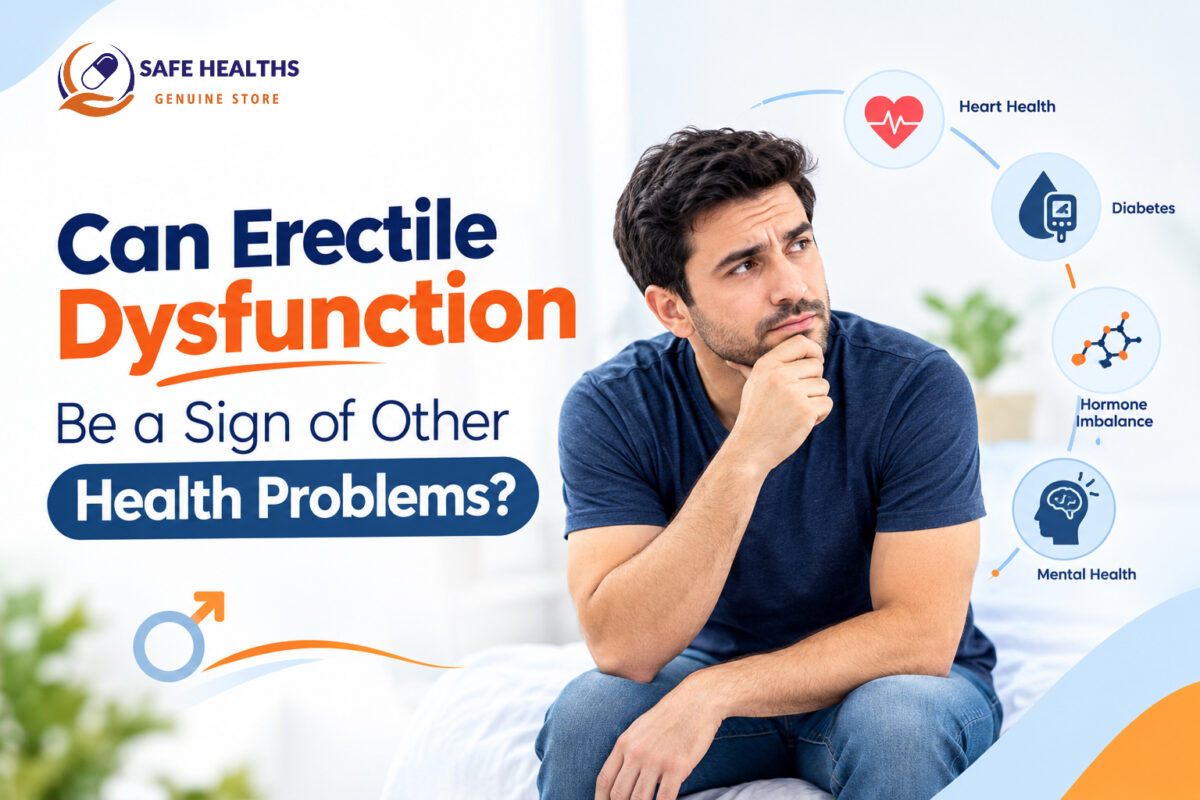
Can Erectile Dysfunction Be a Sign of Other Health Problems?
How To Cure ED: A Realistic Guide to Restoring Your Confidence
Disclaimer: This article is for informational purposes only and does not constitute medical advice. Always consult with a qualified healthcare professional for diagnosis and treatment of any medical condition.
Erectile dysfunction (ED) is a deeply personal and often frustrating issue that affects millions of men. If you’re searching for a “cure,” you’re not just looking for a pill—you’re looking for a return to intimacy, confidence, and a feeling of wholeness. The good news is that for many men, significant improvement and even a complete reversal of symptoms are possible.
While the word “cure” can be complex because it depends on the underlying cause, this guide will walk you through the effective, science-backed strategies and treatments that can help you manage, treat, and potentially reverse erectile dysfunction.
Understanding the Root Causes of Erectile Dysfunction
To effectively treat ED, you first need to understand where it’s coming from. An erection is a complex process involving your brain, hormones, nerves, and blood vessels. A problem with any of these systems can lead to ED. The causes generally fall into two categories: physical and psychological.
Common Physical Causes:
- Cardiovascular Issues: Conditions like heart disease, high blood pressure, and high cholesterol can damage blood vessels and restrict blood flow to the penis.
- Diabetes: High blood sugar can damage the nerves and blood vessels essential for an erection.
- Obesity: Excess weight contributes to many of the other physical causes, including heart disease and diabetes.
- Hormonal Imbalances: Low testosterone (Low T) can impact libido and the ability to achieve an erection.
- Neurological Disorders: Conditions like Parkinson’s disease or multiple sclerosis can interfere with nerve signals from the brain.
Common Psychological Causes:
- Stress and Anxiety: Everyday stress or specific performance anxiety can release adrenaline, which works against the process of getting an erection.
- Depression: This common mental health condition can significantly lower libido and sexual function.
- Relationship Problems: Communication issues or unresolved conflict can create emotional barriers that manifest physically.
First Steps: Powerful Lifestyle Changes for Better Erections
Before exploring medical interventions, it’s crucial to address the foundational aspects of your health. For many men, especially those with ED caused by lifestyle factors, these changes alone can make a world of difference and may be the “cure” they are looking for.
1. Adopt a Heart-Healthy Diet: What’s good for your heart is good for your erections. Focus on a diet rich in fruits, vegetables, whole grains, and lean proteins. Foods high in flavonoids, like berries and citrus, have been shown to improve erectile function.
2. Get Moving: Regular cardiovascular exercise is one of the most effective ways to combat ED. Activities like brisk walking, running, swimming, or cycling improve blood flow throughout your body, strengthen your heart, and help you lose weight. Aim for at least 30 minutes of moderate exercise most days of the week.
3. Quit Smoking and Reduce Alcohol: Smoking damages your blood vessels, directly impairing blood flow. Excessive alcohol consumption can interfere with the signals from your brain and depress your central nervous system, making erections difficult to achieve and maintain.
4. Prioritize Sleep: Poor sleep can disrupt hormone levels, including testosterone. Aim for 7-9 hours of quality sleep per night to allow your body to rest and regulate itself properly.
Medical Treatments for ED: What Your Doctor Might Recommend
If lifestyle changes aren’t enough, it’s time to speak with a doctor. They can provide a proper diagnosis and recommend a treatment plan tailored to you. Never be embarrassed to have this conversation—it’s a common medical issue.
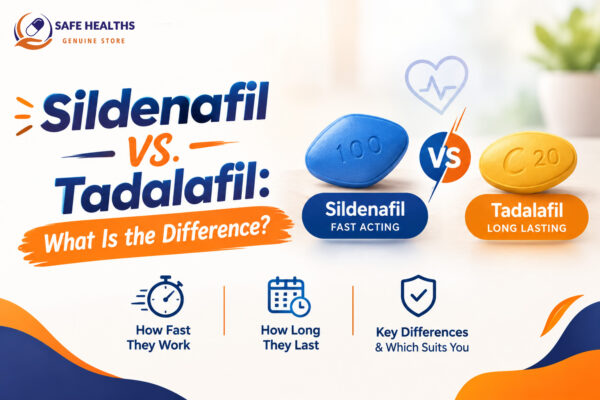
Oral Medications (PDE5 Inhibitors): This is the most common first-line treatment. Medications like sildenafil (Viagra), tadalafil (Cialis), and vardenafil (Levitra) work by relaxing muscles in the penis and increasing blood flow in response to sexual stimulation. They don’t automatically cause an erection; they simply enable one when you are aroused.
Testosterone Replacement Therapy (TRT): If blood tests reveal that your ED is caused by low testosterone, your doctor may recommend TRT. This can be administered via gels, patches, or injections to restore hormone levels.
Other Medical Options: For men who cannot take oral medications, other effective treatments exist, including vacuum erection devices (penis pumps), penile injections (alprostadil), and urethral suppositories. These are typically discussed with a specialist like a urologist.
Addressing the Mind-Body Connection
You cannot ignore the powerful role your mind plays in sexual health. If stress, anxiety, or depression are contributing to your ED, addressing them is a critical part of the cure.
Consider Therapy or Counseling: A therapist specializing in sexual health or cognitive-behavioral therapy (CBT) can help you develop strategies to manage performance anxiety and address underlying psychological stressors.
Practice Mindfulness and Stress Reduction: Techniques like meditation, deep breathing exercises, and yoga can help calm your nervous system, reducing the anxiety that can interfere with sexual function.
Communicate With Your Partner: Openly discussing your concerns with your partner can alleviate immense pressure. Working together as a team can strengthen your emotional bond and reduce the anxiety surrounding intimacy.
Your Path Forward
The journey to overcoming erectile dysfunction starts with a single step. For many, a “cure” is not a magic pill but a holistic approach that combines healthy lifestyle habits with targeted medical treatment and a focus on mental well-being.
The most important action you can take is to consult a healthcare professional. They can help you identify the root cause of your ED and guide you toward the most effective and safest treatment plan. Taking control of your health is the ultimate way to restore your function and reclaim your confidence.