Can Stress Management Improve Erectile Function?
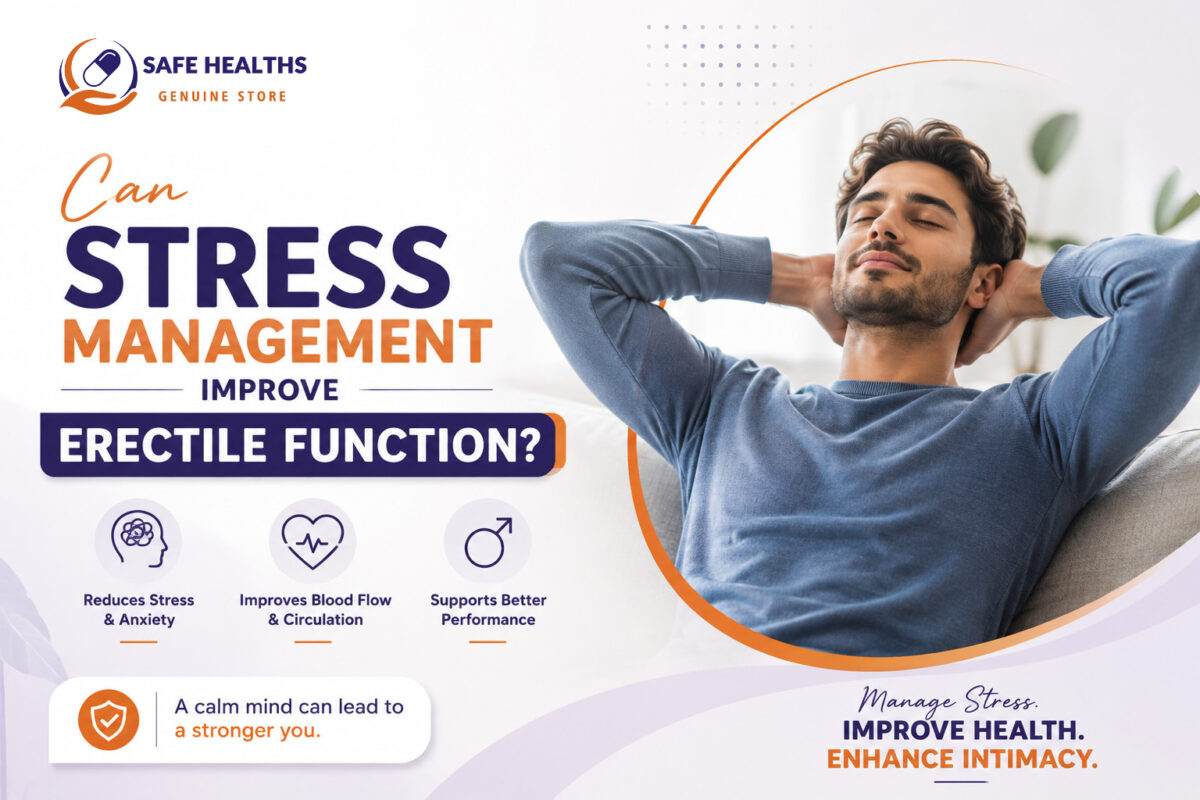
Can Stress Management Improve Erectile Function?
If stress is contributing to your erectile dysfunction (ED), then managing stress should help, and the evidence supports that idea. Relaxation techniques, mindfulness, exercise, therapy, and better sleep have all been shown to reduce stress and, in many men, improve sexual function. They are not a cure-all, and they work best alongside a medical check-up, but they are safe, accessible, and good for your overall health.
This guide explains how stress management helps erections, which techniques have the best evidence, how to build them into your day, and when to add professional help or medical treatment.
Why Stress Management Can Work
Stress activates the body’s “fight or flight” response, releasing adrenaline and cortisol. These hormones narrow blood vessels, raise heart rate and blood pressure, and divert attention from sexual cues. An erection needs the opposite: relaxation, safety, and focus. Stress management techniques calm the nervous system, lower stress hormones, and allow the “rest and digest” system to take over. In addition, they help with sleep, mood, and anxiety, which all affect sexual function. See how stress causes erectile dysfunction for the biology.
What Does the Evidence Say?
- Mindfulness-based therapy: Studies in men and couples show that mindfulness training can reduce sexual anxiety and improve erectile function, particularly when anxiety is a main factor.
- Cognitive behavioural therapy (CBT): Well supported for performance anxiety and psychological ED, often combined with other treatments.
- Exercise: Reduces stress and improves erectile function in trials.
- Relaxation and breathing techniques: Lower stress responses and may support sexual function, though research specifically on ED is limited.
- Sleep improvement: Linked with better hormones and mood.
Studies vary in size and quality, and results differ between men. Stress management is most likely to help when stress or anxiety is a significant part of the picture.
Techniques That Help
1. Slow Diaphragmatic Breathing
Breathe in slowly through the nose for about four seconds, letting your belly rise, and breathe out for six seconds. Practise for five to ten minutes daily and use it before intimacy. Slow, deep breathing activates the calming part of the nervous system.
2. Mindfulness and Meditation
Mindfulness trains you to notice thoughts and sensations without judgement. Regular practice, even ten minutes a day, reduces stress reactivity. During sex, it helps you focus on physical sensations rather than worry. Apps, classes, and guided recordings can help you start.
3. Progressive Muscle Relaxation
Tense and release each muscle group in turn, from your feet upward. This lowers physical tension and helps with sleep.
4. Regular Exercise
Physical activity burns off stress hormones, releases mood-lifting chemicals, and improves circulation. Aim for 150 minutes of moderate exercise a week. See treating erectile dysfunction with exercise.
5. Yoga and Tai Chi
These combine movement, breathing, and mindfulness, and some studies suggest benefits for sexual function and stress.
6. Sleep Hygiene
- Keep regular sleep and wake times.
- Avoid screens, heavy meals, and caffeine late in the day.
- Keep the bedroom cool, dark, and quiet.
- Seek help for persistent insomnia or suspected sleep apnoea.
7. Time Management and Boundaries
Prioritise tasks, take breaks, and set limits on work. Overload is a major source of chronic stress.
8. Social Connection
Time with friends and family, and talking about worries, reduce stress. Isolation tends to worsen it.
9. Hobbies and Time Outdoors
Enjoyable activities, nature, and play counter chronic stress.
10. Limiting Alcohol, Caffeine, and Nicotine
These can seem to relieve stress but often worsen anxiety, sleep, and erections.
Stress Management Inside the Relationship
- Talk openly: Share what you are experiencing so that your partner does not misinterpret it.
- Reduce pressure: Agree to enjoy touch and closeness without the expectation of intercourse for a while.
- Create relaxed time: Plan time together when you are not rushed or exhausted.
- Try sensate-focus exercises, guided by a therapist if possible.
When Professional Help Adds Value
- CBT or sex therapy: For persistent performance anxiety and unhelpful thought patterns.
- Couples counselling: When tension in the relationship contributes.
- Treatment for depression or anxiety disorders: Medicine and therapy as recommended by a clinician.
See the connection between ED and mental health and whether anxiety can cause erectile dysfunction.
Is Stress Management Enough on Its Own?
For some men, particularly those with mostly stress-related ED, it can be enough. For others, it helps but works best with other treatments. ED can also have physical causes, such as diabetes, high blood pressure, or low testosterone, that need a medical check-up. Tablets may help break the anxiety cycle by providing confidence while you build stress-management habits. They should be used with medical guidance. For more on how stress affects sexual function generally, read how stress affects male sexual performance.
A Simple Daily Routine
- Morning: Five minutes of slow breathing, and a short walk in daylight.
- Midday: A real break away from screens, and a healthy lunch.
- Afternoon: Ten minutes of mindfulness or stretching.
- Evening: Exercise or a walk, and time with loved ones.
- Night: Wind-down routine, no screens, and a regular bedtime.
How Long Does It Take?
You may feel calmer within days or weeks. Improvements in erections often take several weeks to a few months of regular practice. Be patient and consistent.
When to See a Doctor
See a doctor if ED lasts more than a few weeks, appeared suddenly, or comes with chest pain, breathlessness, numbness, or leg pain on walking. Seek help promptly if stress feels overwhelming or you have symptoms of depression or thoughts of self-harm. Contact emergency services or a local crisis line in a crisis.
Frequently Asked Questions
Which technique works best?
Mindfulness, CBT, and regular exercise have the best evidence, but the best technique is one you will practise regularly.
Can I use breathing techniques during sex?
Yes. Slow breathing can calm nerves and help you stay focused on sensation.
How do I know whether stress is my problem?
If ED came on during stressful times, and you still have morning erections, stress may be involved, but get a check-up to be sure.
Final Thoughts
Stress management can improve erectile function, especially when stress and anxiety are involved. Build calming habits into your day, move your body, sleep well, communicate with your partner, and get professional help when needed. Combined with a medical check-up and, if needed, treatment, it can help you regain confidence and enjoy intimacy.
This article is for general information only and is not a substitute for professional medical advice. If you are in crisis, contact your local emergency services or crisis line.