

No products in the cart.
15
Sep
Sep
Blog
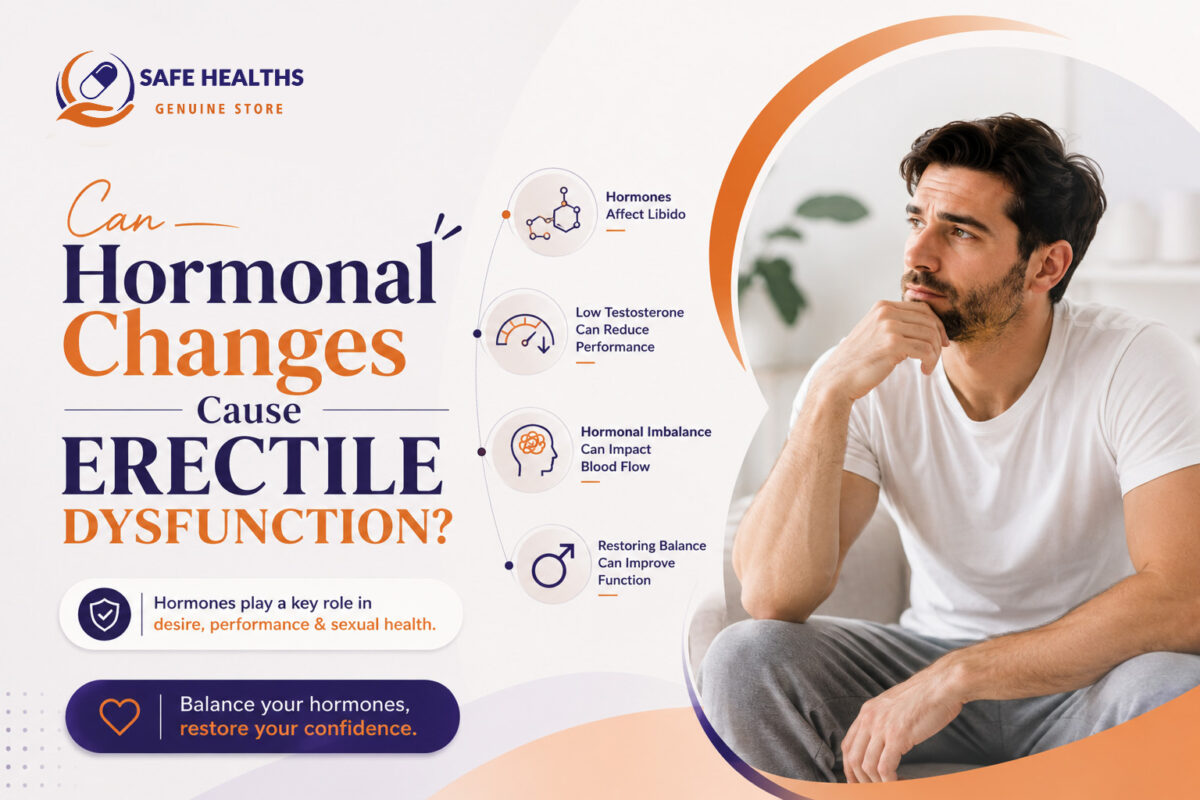
Can Hormonal Changes Cause Erectile Dysfunction?
How To Cure ED: A Comprehensive Guide to Reclaiming Your Confidence
Erectile dysfunction (ED) is a common condition that affects millions of men, yet it remains a topic often shrouded in silence and stigma. If you’re searching for answers, know that you are not alone, and more importantly, that effective solutions are available. While the word “cure” can be complex, many cases of ED can be reversed or successfully managed. This guide will walk you through the proven strategies, from lifestyle adjustments to medical treatments, to help you regain control of your sexual health.
Understanding the Root Causes of Erectile Dysfunction
Before diving into solutions, it’s crucial to understand that ED is often a symptom, not the disease itself. It’s your body’s signal that something else might be going on. The causes can be broadly categorized into two main groups: physical and psychological.
Physical Causes: The vast majority of ED cases are linked to physical conditions that affect blood flow, nerve signals, or hormones. These include:
- Heart disease and clogged blood vessels (atherosclerosis)
- High blood pressure
- Diabetes
- Obesity and metabolic syndrome
- Parkinson’s disease or Multiple Sclerosis (MS)
- Low testosterone
- Peyronie’s disease (scar tissue inside the penis)
- Smoking, excessive alcohol use, and substance abuse
Psychological Causes: The brain plays a key role in triggering the physical events that cause an erection. Mental health issues can interfere with this process. Common psychological triggers include:
- Stress and anxiety (especially performance anxiety)
- Depression
- Relationship problems
- Guilt or low self-esteem
Lifestyle Changes: Your First and Most Powerful Step
For many men, the path to improving erectile function begins with simple, sustainable lifestyle changes. These adjustments not only help with ED but also improve your overall health, creating a win-win situation. Think of this as building a strong foundation.
1. Adopt a Heart-Healthy Diet: Your erections depend on healthy blood flow. A diet rich in fruits, vegetables, whole grains, and lean proteins—like the Mediterranean diet—can improve circulation, help you manage your weight, and reduce the risk of clogged arteries. Cut back on processed foods, sugar, and unhealthy fats.
2. Get Moving: Regular physical activity is a game-changer. Aerobic exercise, such as brisk walking, running, swimming, or cycling, is particularly effective. It boosts circulation, helps you lose weight, reduces stress, and increases testosterone. Aim for at least 30 minutes of moderate exercise most days of the week.
3. Quit Smoking and Limit Alcohol: Smoking damages blood vessels, directly impairing the blood flow needed for an erection. Similarly, excessive alcohol consumption can depress your central nervous system, interfere with hormone production, and hinder performance. Cutting these out is one of the best things you can do for your erectile health.
4. Prioritize Sleep: Your body produces testosterone during sleep. Chronic sleep deprivation can lead to low testosterone levels, fatigue, and increased stress, all of which contribute to ED. Aim for 7-8 hours of quality sleep per night.
Medical Treatments for ED: Proven and Effective Options
If lifestyle changes aren’t enough, or if your ED is caused by an underlying medical condition, your doctor has a range of effective treatments to offer. The first and most important step is to have an open and honest conversation with a healthcare professional.
Oral Medications (PDE5 Inhibitors): These are often the first-line medical treatment for ED. Medications like Sildenafil (Viagra), Tadalafil (Cialis), and Vardenafil (Levitra) work by relaxing muscles in the penis and increasing blood flow in response to sexual stimulation. They are safe and effective for most men but require a prescription.
Testosterone Replacement Therapy (TRT): If blood tests reveal that your ED is caused by low testosterone, your doctor may recommend TRT. This can be administered through gels, patches, injections, or pellets to restore hormone levels and improve libido and erectile function.
Other Medical Interventions: When oral medications are not effective or suitable, other options exist. These include vacuum erection devices (penis pumps), self-injections that deliver medication directly into the penis to create an erection (alprostadil), and intraurethral suppositories.
Addressing the Psychological Side of ED
Never underestimate the power of the mind-body connection. If stress, anxiety, or depression are contributing to your ED, addressing them is essential. Performance anxiety can create a vicious cycle where a single bad experience leads to fear of it happening again, which then becomes a self-fulfilling prophecy.
Consider speaking with a therapist or counselor who specializes in sexual health. Cognitive-behavioral therapy (CBT) and couples counseling can be incredibly effective at breaking negative thought patterns, improving communication with your partner, and rebuilding confidence.
Your Path Forward: Taking the First Step
The key to treating—and often reversing—erectile dysfunction is to take action. ED is not something you just have to live with. It is a treatable medical condition and, frequently, an early warning sign for other health issues.
Start today by evaluating your lifestyle. Could your diet be healthier? Could you exercise more? And most importantly, schedule an appointment with your doctor. A simple conversation is the first step toward a personalized treatment plan that can restore not just your erections, but your confidence and overall well-being.
