
Premature Ejaculation and Mental Health Connection
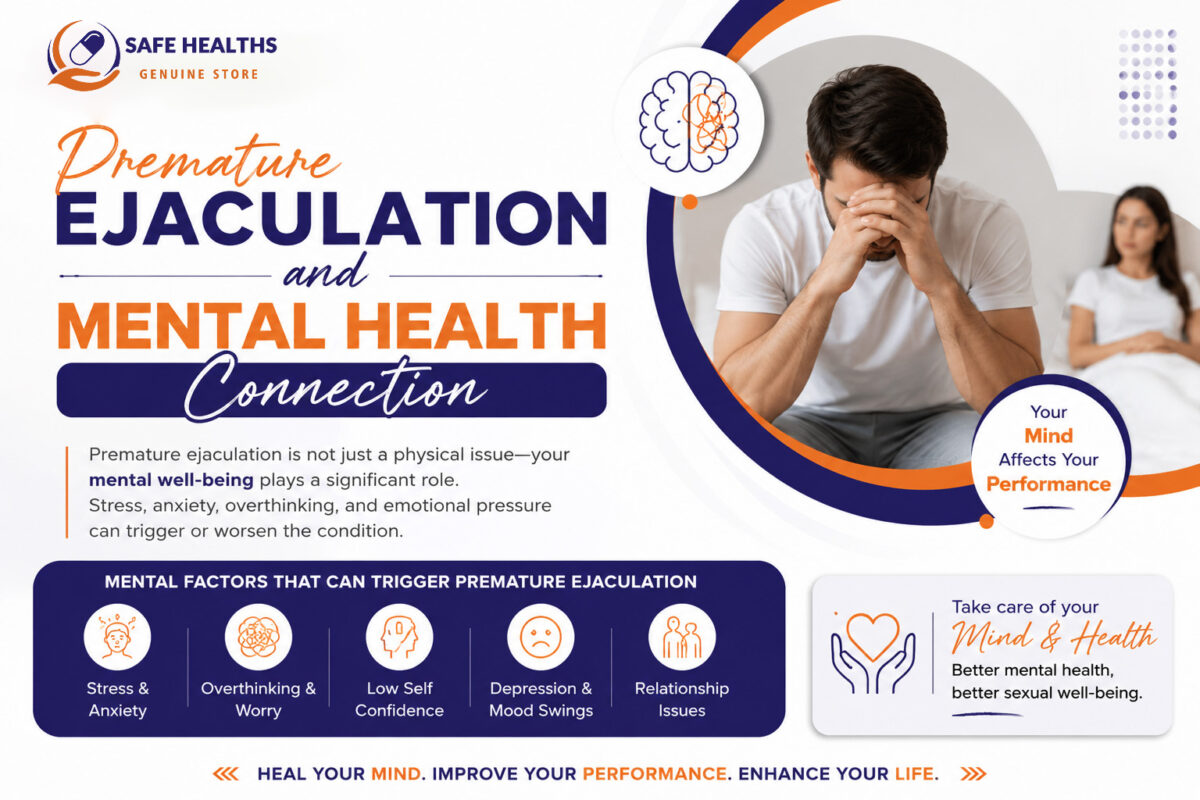
Premature Ejaculation and the Mental Health Connection
Premature ejaculation (PE) and mental health are closely linked, and the relationship works in both directions. Anxiety, stress, and low mood can cause or worsen PE. At the same time, living with PE can lead to embarrassment, loss of confidence, relationship strain, and even depression. Understanding this two-way link is one of the most helpful steps toward getting control back.
This guide explains how mental health and PE affect each other, what the research shows, and which treatments work best when both are involved.
A Quick Overview of PE
PE means ejaculating sooner than you or your partner would like, often with little ability to delay it, and with distress as a result. Doctors define lifelong PE as ejaculation within about one minute of penetration since first sexual experiences, and acquired PE as a clear change to a shorter time, usually within about three minutes. It is very common, affecting many men at some point in life. For a broader overview of types and treatments, see our complete guide to premature ejaculation.
How Mental Health Affects PE
Anxiety
Anxiety is the most strongly linked mental health factor. When you are anxious, the sympathetic nervous system, which controls the “fight or flight” response, is active. This same system triggers ejaculation, so heightened anxiety can speed it up. Performance anxiety, meaning worry about how you will perform sexually, creates a cycle in which tension leads to early ejaculation, which then increases worry.
Depression
Low mood is associated with a range of sexual problems, including reduced desire, erection difficulties, and, in some men, early or delayed ejaculation. Lack of energy, poor concentration, and reduced pleasure can all play a part.
Chronic Stress
Ongoing pressure from work, finances, family, or study keeps stress hormones elevated, making it hard to relax and maintain control. Stress also affects sleep, energy, and mood.
Relationship Problems
Unresolved conflict, poor communication, fear of disappointing a partner, or lack of emotional safety can all make sex feel pressured and rushed.
Low Self-Esteem and Body Image
Worries about appearance, penis size, or masculinity can lead to self-monitoring and anxiety during sex, which interferes with natural arousal.
Past Experiences and Trauma
Rushed early sexual experiences, negative experiences, or sexual trauma can create lasting tension and affect ejaculatory control.
For more detail on these factors, read our article on the psychological causes of premature ejaculation.
How PE Affects Mental Health
Studies suggest that many men with PE experience emotional distress, and the impact can build over time:
- Embarrassment and shame: Many men feel they have failed or are “not man enough.”
- Anxiety about sex: Fear of it happening again can lead to dread before intimacy.
- Avoidance: Some men avoid sex, dating, or intimacy altogether.
- Low self-esteem and confidence.
- Depression and low mood.
- Relationship strain: Partners may feel confused, rejected, or unsatisfied, and communication may break down.
These effects can in turn make PE worse, creating a self-reinforcing loop.
PE, Anxiety, and Erectile Problems
PE and erectile dysfunction frequently occur together. A man who worries about losing his erection may rush to ejaculate, and a man with PE may develop erection anxiety. Addressing the anxiety often helps both. Read more in whether anxiety can cause erectile dysfunction and the connection between ED and mental health.
Medicines and Mental Health: An Important Note
Some antidepressants, particularly SSRIs, delay ejaculation and are sometimes prescribed for PE. But they can also reduce sex drive or cause other side effects. If you take antidepressants for a mental health condition, do not stop them suddenly. Speak with your doctor, who can review options.
Signs That Mental Health May Be Playing a Role
- PE began during a period of stress, depression, or relationship difficulty.
- You feel anxious or on edge before sex.
- You have better control during masturbation or when relaxed.
- You feel low, hopeless, or lose interest in activities.
- You avoid intimacy or feel ashamed.
- Sleep, appetite, or concentration are affected.
Treatments That Address Both PE and Mental Health
Cognitive Behavioural Therapy (CBT)
CBT helps you notice and change unhelpful thoughts, such as “I always fail,” and reduces avoidance. It is effective for anxiety, depression, and performance worries, and it can improve sexual confidence.
Sex Therapy and Couples Therapy
Therapists with specialist training teach techniques, improve communication, and ease performance pressure. Including your partner can strengthen results and the relationship.
Mindfulness and Relaxation Training
Mindfulness teaches you to stay in the present and notice physical sensations without judgement. Slow breathing, progressive muscle relaxation, and meditation reduce tension and help with ejaculatory control.
Behavioural Techniques
The start-stop and squeeze methods help you recognise and manage arousal. Practising them without pressure, alone first and later with a partner, builds confidence.
Pelvic Floor Exercises
Strengthening the muscles involved in ejaculation can improve control and boost a sense of agency. See exercises that may help premature ejaculation.
Medical Treatments
Topical anaesthetics, SSRIs, and other medicines may be used alongside therapy. Combining medical and psychological approaches often works best.
Treating Depression or Anxiety Disorders
If you have a diagnosed mental health condition, treating it with therapy, medicine, or both can improve sexual function as well as your overall wellbeing.
Self-Help Strategies
- Learn the facts: Knowing that PE is common and treatable reduces shame.
- Talk openly with your partner: Honesty reduces pressure and builds trust.
- Redefine sex: Broaden intimacy beyond intercourse and focus on pleasure and connection.
- Exercise regularly: Physical activity lowers anxiety and improves mood.
- Protect your sleep: Poor sleep worsens anxiety and mood.
- Limit alcohol and avoid recreational drugs.
- Reduce unrealistic comparisons: Media and pornography rarely reflect real sex.
- Seek support: Talk to a friend, doctor, or counsellor.
See our tips on lifestyle changes for better sexual control for practical routines.
Supporting a Partner With PE
If your partner has PE, patience, kindness, and open communication make a big difference. Avoid teasing or blame, share your own feelings honestly, and be willing to explore other forms of intimacy and to attend therapy together if it helps.
When to Seek Professional Help
Speak to a doctor or therapist if PE happens most of the time, causes you significant distress, or affects your relationship. Seek help promptly if you also experience persistent low mood, loss of interest, hopelessness, severe anxiety, or panic. If you ever have thoughts of harming yourself, contact emergency services or a local crisis line immediately. You do not have to manage these problems alone.
Frequently Asked Questions
Is PE caused by anxiety?
Anxiety is a major contributor for many men, though biological factors can also be involved. Often both play a role.
Will treating anxiety cure PE?
It often helps considerably, especially when anxiety is the main driver. Some men need additional behavioural or medical treatment.
Can PE cause depression?
PE can contribute to low mood, low self-esteem, and relationship stress, which can lead to or worsen depression in some men.
Do I need medication?
Not always. Many men improve with education, behavioural techniques, and therapy alone. A doctor can advise on the right combination.
Final Thoughts
PE and mental health are deeply connected. Anxiety and stress can fuel PE, and PE can in turn affect confidence and mood. The encouraging news is that both respond well to treatment. With understanding, support, and the right combination of therapy, techniques, and medical help, most men can regain control and confidence.
This article is for general information only and is not a substitute for professional medical advice. If you are in crisis, contact your local emergency services or crisis line.

