
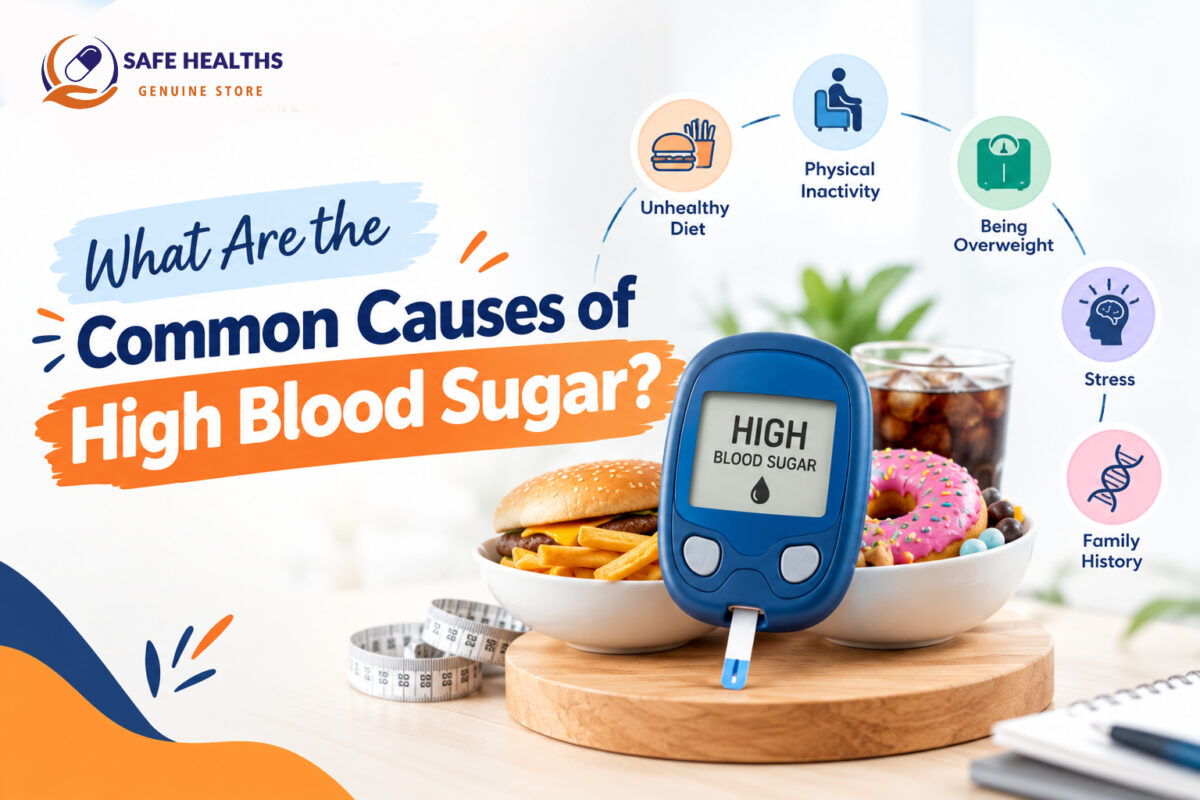
What Are the Common Causes of High Blood Sugar?
How to Cure ED
Erectile dysfunction (ED) is a common condition that affects millions of men, yet it’s a topic often shrouded in silence and embarrassment. If you’re searching for a “cure” for ED, you’ve taken a powerful first step: seeking information and solutions. While the word “cure” can be complex because ED often stems from underlying health issues, the great news is that it is highly treatable. For many men, erectile function can be fully restored or significantly improved.
This guide will walk you through the effective, evidence-based ways to treat, manage, and in many cases, reverse erectile dysfunction. The key is to understand the cause and find the right approach for you.
First, Understand the Root Causes of ED
Erectile dysfunction is rarely a standalone issue. More often, it’s a symptom of another underlying condition. A strong erection depends on healthy blood flow, nerve signals, and the right hormonal balance. When something disrupts this delicate process, ED can occur. The causes can be broadly categorized:
Physical Causes: These are the most common culprits, especially in older men.
- Cardiovascular Issues: Conditions like heart disease, high blood pressure, and high cholesterol can damage blood vessels and restrict blood flow to the penis. ED is often an early warning sign of heart problems.
- Diabetes: High blood sugar can damage both the nerves and blood vessels essential for an erection.
- Obesity: Excess weight contributes to heart disease, diabetes, and hormonal imbalances.
- Hormonal Imbalances: Low testosterone can impact libido and the ability to achieve an erection.
- Neurological Disorders: Conditions like Parkinson’s disease, multiple sclerosis (MS), or spinal cord injuries can interfere with nerve signals from the brain to the penis.
Psychological Causes: The brain plays a central role in sexual arousal.
- Stress and Anxiety: Everyday stress or specific performance anxiety can release adrenaline, which constricts blood vessels and works against an erection.
- Depression: This common mental health condition can significantly reduce libido and sexual function.
- Relationship Problems: Issues with a partner, poor communication, and unresolved conflicts can all contribute to ED.
The Most Important Step: Talk to Your Doctor
Before you try any treatment, your first and most critical step is to schedule an appointment with your doctor. This isn’t just about getting a prescription; it’s about protecting your overall health. Your doctor can perform tests to check for underlying conditions like heart disease or diabetes that might be causing your ED.
An honest conversation with a healthcare professional will help you:
- Get an accurate diagnosis.
- Rule out serious underlying health risks.
- Develop a safe and personalized treatment plan.
Proven Medical Treatments for Erectile Dysfunction
Based on your diagnosis, your doctor may recommend one of several highly effective medical treatments.
Oral Medications (PDE5 Inhibitors)
These are the most common first-line treatment for ED. Medications like sildenafil (Viagra), tadalafil (Cialis), and vardenafil (Levitra) work by relaxing muscles in the penis and increasing blood flow in response to sexual stimulation. They are safe and effective for most men.
Testosterone Replacement Therapy (TRT)
If blood tests reveal that your ED is caused by clinically low testosterone, your doctor might suggest TRT. This can be administered via gels, patches, or injections to restore hormone levels, which can improve libido and erectile function.
Other Medical Options
For men who cannot take oral medications, other options exist, including penile injections, vacuum erection devices (VEDs), and, in some cases, surgical penile implants. These are typically considered after other treatments have been tried.
Lifestyle Changes: Your Foundation for a Lasting Solution
For many men, the closest thing to a “cure” for ED lies in making significant lifestyle changes. These changes not only improve erectile function but also boost your overall health. Think of medical treatments as a tool to help you now, while lifestyle changes are the long-term solution.
1. Adopt a Heart-Healthy Diet
What’s good for your heart is good for your erections. Focus on a diet rich in fruits, vegetables, whole grains, and lean proteins (like the Mediterranean diet). Cut back on processed foods, sugar, and unhealthy fats that can clog arteries and impede blood flow.
2. Get Regular Exercise
Physical activity is a powerful tool against ED. Aerobic exercise like brisk walking, running, or cycling improves cardiovascular health and blood flow. Strength training can boost testosterone production. Aim for at least 30 minutes of moderate exercise most days of the week.
3. Maintain a Healthy Weight
Losing excess weight can have a dramatic impact on erectile function by reducing the risk of diabetes and heart disease, improving blood pressure, and boosting confidence.
4. Quit Smoking and Reduce Alcohol Intake
Smoking is a major cause of ED because it damages blood vessels. Quitting is one of the best things you can do for your erectile health. Similarly, excessive alcohol consumption can impair erectile function, so drink in moderation.
5. Prioritize Sleep and Manage Stress
Chronic stress and poor sleep disrupt hormone levels and increase adrenaline, both of which are bad for erections. Practice stress-management techniques like meditation, yoga, or mindfulness, and aim for 7-8 hours of quality sleep per night.
Take Control and Find Your Solution
While there may not be a single magic pill that “cures” ED for everyone, the path to restoring sexual function is clear and achievable. It begins with understanding the cause, consulting with a doctor, and committing to healthier habits.
By combining effective medical treatments with powerful lifestyle changes, you can do more than just manage a symptom—you can reclaim your confidence, improve your relationships, and invest in your long-term health. Don’t let ED control your life. Take the first step today.