
What Are the Common Causes of High Blood Sugar?
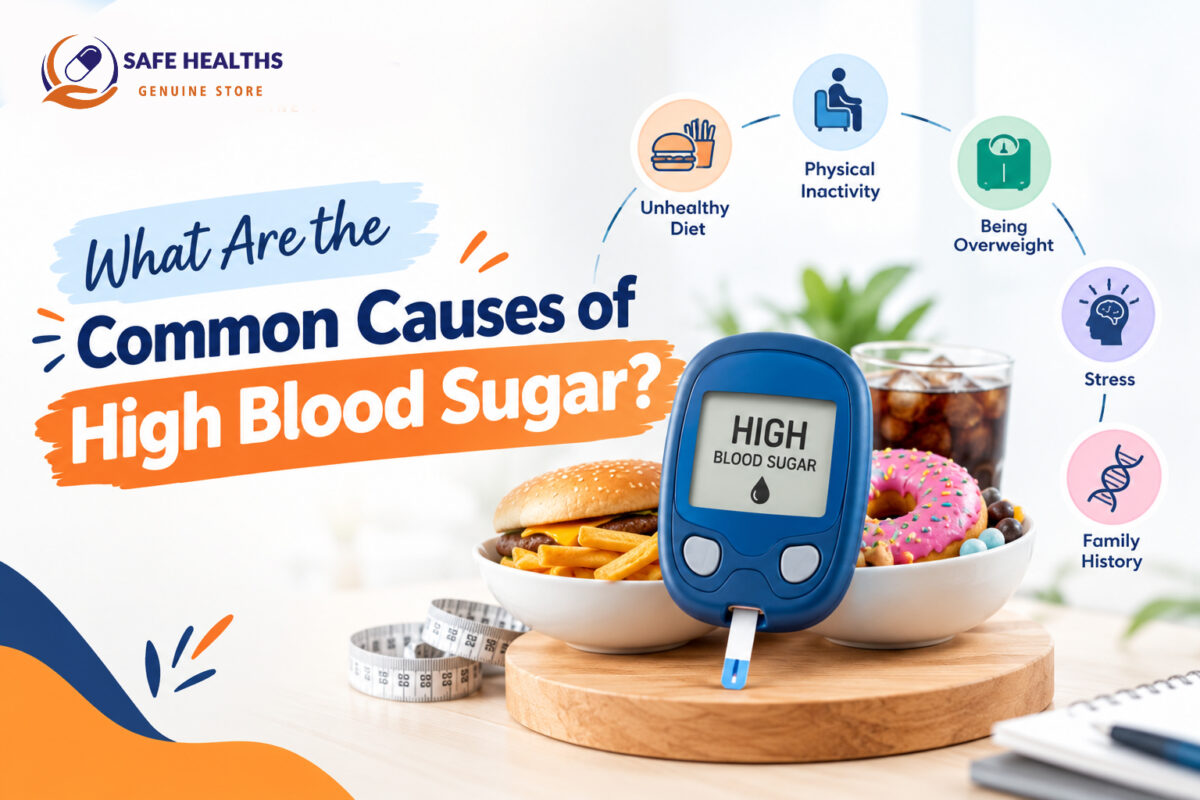
What Are the Common Causes of High Blood Sugar?
High blood sugar, or hyperglycaemia, means there is too much glucose in your blood. It is the defining feature of diabetes, but it can also happen in people without diabetes, and in people with diabetes it can fluctuate day to day. Understanding what pushes blood sugar up helps you recognise patterns, avoid triggers, and know when to seek medical help.
This guide explains the common causes of high blood sugar, including food, medicines, illness, stress, sleep, and underlying conditions. It also covers the symptoms, why persistent high blood sugar matters, and what to do about it.
How Blood Sugar Is Regulated
After you eat, carbohydrates are broken down into glucose, which enters your blood. The pancreas releases insulin, which helps cells take up glucose for energy or storage. The liver also stores and releases glucose. High blood sugar occurs when there is too little insulin, when cells do not respond to insulin properly, or when too much glucose enters the blood too quickly.
Causes in People With Diabetes
1. Not Enough Insulin or Diabetes Medicine
Missed or inadequate doses of insulin or tablets, or a prescribed dose that is no longer enough as your needs change, can cause high readings.
2. Eating More Carbohydrate Than Planned
Large portions of rice, bread, potatoes, sweets, sugary drinks, or fruit juice can overwhelm available insulin. Meals with a lot of refined carbohydrate raise blood sugar quickly. Read foods to avoid with diabetes for examples.
3. Being Less Active
Exercise helps muscles take up glucose, so reduced activity can lead to higher levels. See how exercise helps manage diabetes.
4. Incorrect Insulin Technique
Injecting into scar tissue, using expired insulin, or storing it incorrectly can reduce effectiveness.
5. The “Dawn Phenomenon”
Hormones released in the early morning, such as cortisol and growth hormone, raise blood sugar before breakfast in some people.
6. The Somogyi Effect (Rebound)
A night-time low can trigger the release of hormones that cause a high reading in the morning. A doctor can help work out the cause.
Causes in Anyone
7. Illness and Infection
The body releases stress hormones to fight infection, which raise blood sugar. Colds, flu, urinary infections, and other infections can raise levels, even in people without known diabetes.
8. Physical or Emotional Stress
Injury, surgery, pain, anxiety, and emotional stress release adrenaline and cortisol, which increase blood sugar.
9. Poor Sleep
Lack of sleep increases insulin resistance and stress hormones. Sleep apnoea is also linked to higher blood sugar.
10. Dehydration
Less fluid in the blood means glucose becomes more concentrated. High blood sugar also causes fluid loss, which can create a cycle.
11. Excess Weight and Insulin Resistance
Fat tissue, especially abdominal fat, makes cells less sensitive to insulin. See the connection between diabetes and weight gain.
12. Medicines
Several medicines can raise blood sugar:
- Corticosteroids, such as prednisolone.
- Some diuretics and beta-blockers.
- Some antipsychotics and antidepressants.
- Some immunosuppressants and HIV medicines.
- Decongestants in some people.
Do not stop prescribed medicines without medical advice.
13. Hormonal Conditions
Cushing’s syndrome, acromegaly, thyroid overactivity, and polycystic ovary syndrome can raise blood sugar.
14. Pancreatic Disease
Pancreatitis, pancreatic cancer, and surgery can reduce insulin production.
15. Pregnancy
Hormones in pregnancy can cause gestational diabetes.
16. Alcohol
Sugary alcoholic drinks can raise blood sugar. Heavy drinking can disrupt control. See how alcohol affects diabetes.
17. Smoking
Nicotine increases insulin resistance.
18. Fasting and Late Eating
In some people, long gaps or large late meals alter blood sugar patterns.
Symptoms of High Blood Sugar
- Increased thirst and dry mouth.
- Frequent urination.
- Tiredness.
- Blurred vision.
- Headache.
- Slow-healing cuts and frequent infections.
- Unexplained weight loss.
See the early warning signs of diabetes.
Emergency Signs
Seek urgent medical care for very high readings with vomiting, abdominal pain, fast deep breathing, fruity-smelling breath, drowsiness, or confusion. These can signal diabetic ketoacidosis or a hyperosmolar state, both life-threatening.
Why High Blood Sugar Matters
Persistent high levels damage blood vessels and nerves, raising the risk of heart disease, stroke, kidney disease, eye disease, nerve damage, foot problems, and erectile dysfunction.
What to Do
- Check your blood sugar as advised, and keep a log.
- Take your medicines as prescribed.
- Review what you ate, and reduce sugary and refined foods.
- Drink water.
- Move: A walk can lower blood sugar if you feel well and are not in the emergency range.
- Manage stress and sleep.
- Follow sick-day rules, and contact your care team when ill.
- Seek advice if readings stay high.
See how to maintain healthy blood sugar levels every day.
If You Do Not Have Diabetes
See a doctor if you have symptoms of high blood sugar or a single high reading. Diagnosis needs proper testing, including fasting glucose, HbA1c, or glucose tolerance tests. Prediabetes is common and can often be reversed.
When to See a Doctor
See a doctor if your blood sugar is persistently high, you have symptoms, you are unwell with high readings, or your treatment seems not to be working. Seek emergency care for vomiting, severe thirst, fast breathing, or confusion with high readings.
Frequently Asked Questions
Can stress raise blood sugar?
Yes. Stress hormones increase glucose release.
Why is my blood sugar high in the morning?
It may be the dawn phenomenon or rebound after a night-time low. Ask your doctor.
Can I have high blood sugar without diabetes?
Yes, temporarily with illness, stress, or medicines. Persistent high levels need assessment.
Final Thoughts
High blood sugar has many possible causes, from food and activity to illness, stress, sleep, and medicines. Spotting the pattern behind your readings helps you act sooner and prevent complications. Keep monitoring, follow your treatment plan, and speak to your care team when levels remain high.
This article is for general information only and is not a substitute for professional medical advice.