
How Alcohol Affects Diabetes
How Alcohol Affects Diabetes
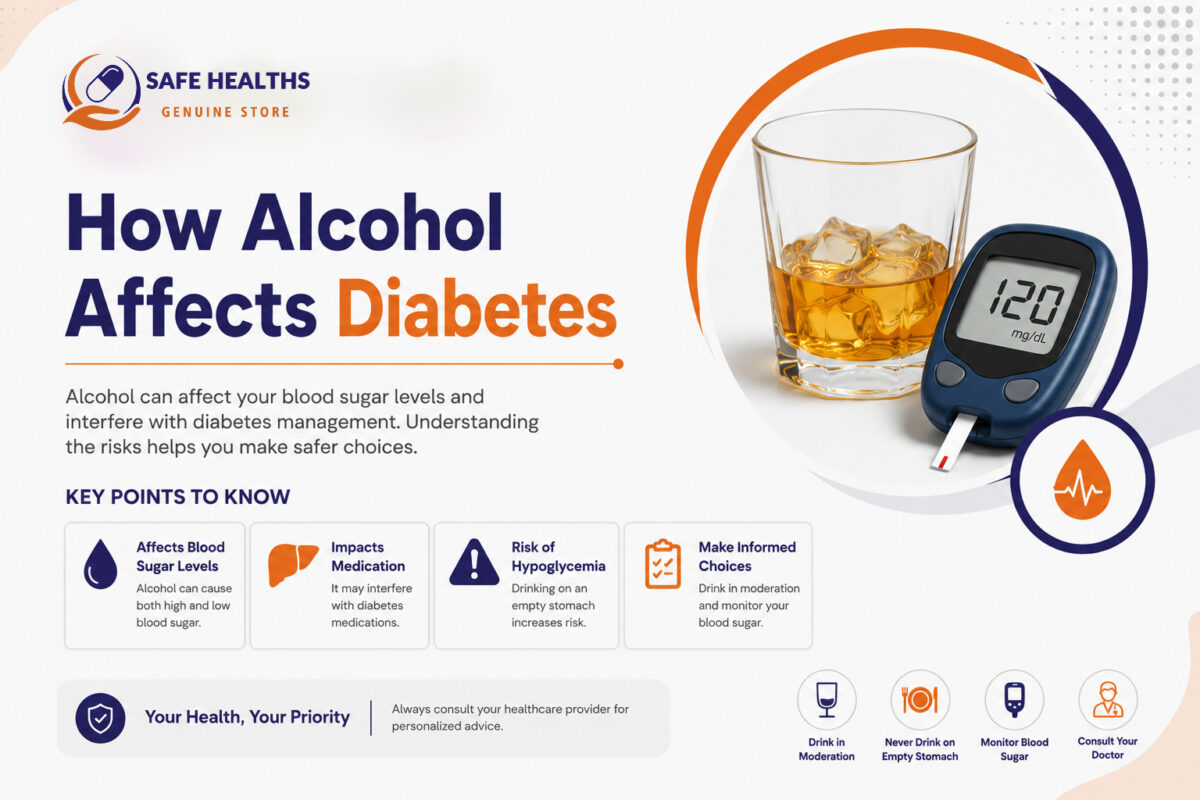
Alcohol and diabetes can be a tricky mix. Drinking affects blood sugar in ways that are not always predictable, and some effects can be dangerous. If you have diabetes, it is worth understanding the risks before you decide whether and how to drink.
Alcohol and Low Blood Sugar
The liver normally releases stored glucose to keep blood sugar steady. When you drink, the liver prioritises clearing alcohol, so it releases less glucose. This can cause blood sugar to fall too low (hypoglycaemia), sometimes many hours after drinking, even overnight. The risk is higher if you drink on an empty stomach or take insulin or certain tablets such as sulfonylureas.
Low blood sugar symptoms such as dizziness, confusion, and slurred speech can look like drunkenness, so others may miss that you need help.
Alcohol and High Blood Sugar
Sugary mixers, sweet wines, liqueurs, and beer can push blood sugar up. Alcohol is also high in calories, which can lead to weight gain and make blood sugar harder to control.
Other Risks
- Heavy drinking can damage the liver, pancreas, and nerves.
- Alcohol can raise blood pressure and triglycerides.
- It can interfere with some diabetes and other medicines.
- It can lower inhibitions, making it easier to skip meals or medicines.
If You Choose to Drink
- Ask your doctor first whether alcohol is safe for you.
- Never drink on an empty stomach. Eat food containing carbohydrates.
- Stay within general limits, which are commonly no more than one drink a day for women and two for men.
- Choose lower-sugar options and use sugar-free mixers.
- Check your blood sugar before, during, and after drinking, and before bed.
- Tell the people you are with that you have diabetes, and carry identification.
Diet and Daily Habits
What you eat and drink around alcohol matters. Review the foods to avoid with diabetes, and see how drinking fits into a daily routine for diabetes patients. For overall control, read our simple tips for better diabetes management.
When to Get Help
Seek urgent medical help if you are very drowsy, confused, or cannot be woken after drinking, since this may be severe hypoglycaemia. If you are finding it hard to cut back on alcohol, speak to your doctor, who can offer support.
This article is for general information only and is not a substitute for professional medical advice.

