
What Are the Early Warning Signs of Diabetes?
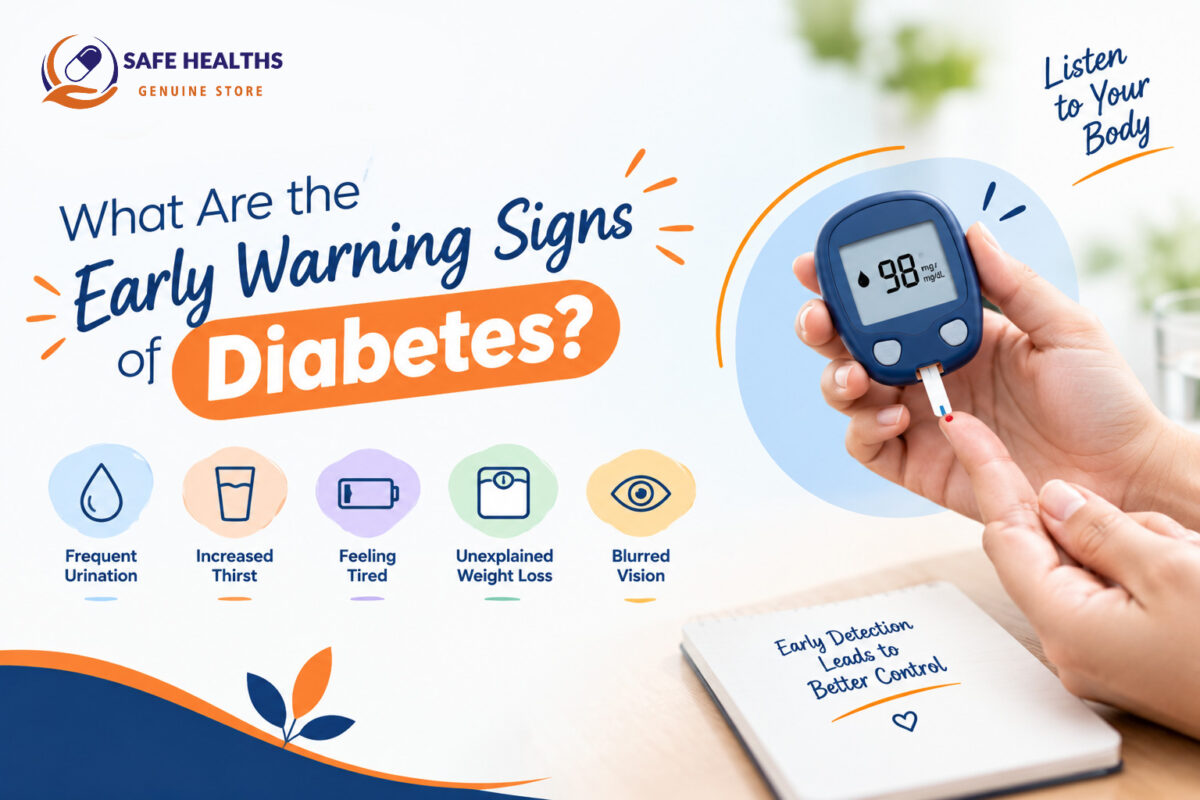
What Are the Early Warning Signs of Diabetes?
Diabetes often develops quietly. Millions of people live with high blood sugar for years without knowing it, because the early signs are mild, gradual, and easy to blame on stress, age, or a busy life. Yet catching diabetes early makes a big difference: it allows you to start treatment sooner, protect your eyes, kidneys, nerves, and heart, and in type 2 diabetes sometimes even reverse the condition.
This guide explains the early warning signs of diabetes, how they differ between types and between men and women, which risk factors raise your chances, how diabetes is diagnosed, and what to do if you notice the signs.
Why Diabetes Is Easy to Miss
In type 2 diabetes, blood sugar rises slowly over years. The body adapts, so symptoms may be absent or very subtle. Many people are diagnosed only when a routine blood test is done or when a complication appears. Type 1 diabetes tends to come on faster and with more obvious symptoms. Knowing the signs helps you act early. To understand the two main forms, see the difference between type 1 and type 2 diabetes.
Common Early Warning Signs
1. Increased Thirst
When blood sugar is high, the kidneys work to remove excess glucose in the urine, drawing water from the body. This leaves you dehydrated and constantly thirsty, even after drinking.
2. Frequent Urination
Needing to pass urine more often, particularly at night, is a classic sign.
3. Unusual Tiredness
When cells cannot use glucose properly, the body lacks energy. You may feel exhausted even after a good night’s sleep.
4. Blurred Vision
High blood sugar can cause fluid shifts in the lens of the eye, so vision becomes blurry. It often improves when blood sugar is controlled, but persistent high levels can damage the retina.
5. Increased Hunger
Cells that are starved of glucose signal hunger, even if you have just eaten.
6. Unexplained Weight Loss
The body may start breaking down fat and muscle for energy, particularly in type 1 diabetes. Weight loss without trying should never be ignored.
7. Slow-Healing Cuts and Frequent Infections
High blood sugar impairs circulation and immune function. Skin, gum, bladder, and yeast infections may occur more often, and wounds heal slowly.
8. Tingling, Numbness, or Burning in the Hands and Feet
A sign of nerve damage (neuropathy) from long-standing high blood sugar.
9. Dark Patches of Skin
Velvety, darker skin in the neck, armpits, or groin (acanthosis nigricans) is a sign of insulin resistance.
10. Dry, Itchy Skin
Dehydration and poor circulation can cause dry, itchy skin.
11. Mood Changes and Irritability
Fluctuating blood sugar affects mood and concentration.
Signs That May Be Specific to Men
- Erectile difficulties. ED can be an early sign of diabetes. See diabetes and erectile dysfunction.
- Reduced sex drive.
- Recurrent infections of the penis or foreskin.
- Reduced muscle mass and strength.
Signs That May Be Specific to Women
- Recurrent vaginal yeast infections or urinary tract infections.
- Irregular periods or signs of polycystic ovary syndrome (PCOS).
- A history of gestational diabetes or a large baby.
- Dry skin and itching.
Signs in Children and Young People
- Bedwetting after being dry.
- Excessive thirst and urination.
- Weight loss despite eating well.
- Tiredness and irritability.
- Fruity-smelling breath.
See diabetes symptoms in young adults for more.
Emergency Warning Signs
Seek urgent care for:
- Nausea and vomiting with high blood sugar.
- Abdominal pain.
- Fast, deep breathing.
- Fruity-smelling breath.
- Extreme drowsiness or confusion.
These can signal diabetic ketoacidosis or a hyperosmolar state, which are life-threatening.
Prediabetes: The Warning Stage
Prediabetes means blood sugar is higher than normal but not yet in the diabetes range. It often causes no symptoms, but it is a crucial warning. Many people can prevent or delay type 2 diabetes with lifestyle changes. Fasting glucose of 100 to 125 mg/dL or HbA1c of 5.7 to 6.4 percent suggests prediabetes.
Who Is at Higher Risk?
- Overweight or obesity, especially around the waist.
- Family history of diabetes.
- Age over 35 to 45.
- Physical inactivity.
- High blood pressure or high cholesterol.
- History of gestational diabetes or PCOS.
- Certain ethnic backgrounds, including South Asian, African, Hispanic, and Indigenous populations.
- Smoking.
- Poor sleep or sleep apnoea.
How Is Diabetes Diagnosed?
- Fasting plasma glucose: 126 mg/dL (7.0 mmol/L) or higher on two occasions.
- HbA1c: 6.5 percent or higher.
- Oral glucose tolerance test: Two-hour value of 200 mg/dL (11.1 mmol/L) or higher.
- Random blood glucose: 200 mg/dL or higher with symptoms.
What to Do if You Notice the Signs
- Do not ignore symptoms.
- See a doctor and ask for a blood test.
- Do not self-diagnose with a home test alone. Confirm with a lab test.
- Start healthy changes now: Eat well, move more, sleep, and manage stress.
- Learn more about managing blood sugar. See how to maintain healthy blood sugar levels every day.
Screening: Do Not Wait for Symptoms
Because diabetes can be silent, guidelines recommend regular screening for adults, commonly starting around age 35 to 45, or earlier if you are overweight or have risk factors. Ask your doctor how often you should be tested.
Preventing Diabetes
Type 2 diabetes can often be prevented or delayed with a healthy weight, regular exercise, a balanced diet, no smoking, and good sleep. See tips for reducing your risk of diabetes.
When to See a Doctor
See a doctor if you notice persistent thirst, frequent urination, unexplained weight loss, ongoing tiredness, blurred vision, slow-healing wounds, or tingling in the feet, or if you are at higher risk. Seek emergency care for vomiting, abdominal pain, fast breathing, or confusion alongside high blood sugar.
Frequently Asked Questions
Can I have diabetes without symptoms?
Yes, particularly in type 2. That is why screening matters.
How fast do symptoms appear?
In type 1, over days to weeks. In type 2, over months to years.
Can early diabetes be reversed?
Prediabetes can often be reversed, and some people with early type 2 diabetes achieve remission with weight loss.
Final Thoughts
The early warning signs of diabetes, such as thirst, frequent urination, tiredness, blurred vision, and slow healing, are easy to dismiss. Know the signs and your risk factors, get tested, and act early. Early diagnosis and treatment protect your long-term health.
This article is for general information only and is not a substitute for professional medical advice.