
Best Hygiene Habits to Avoid Infections
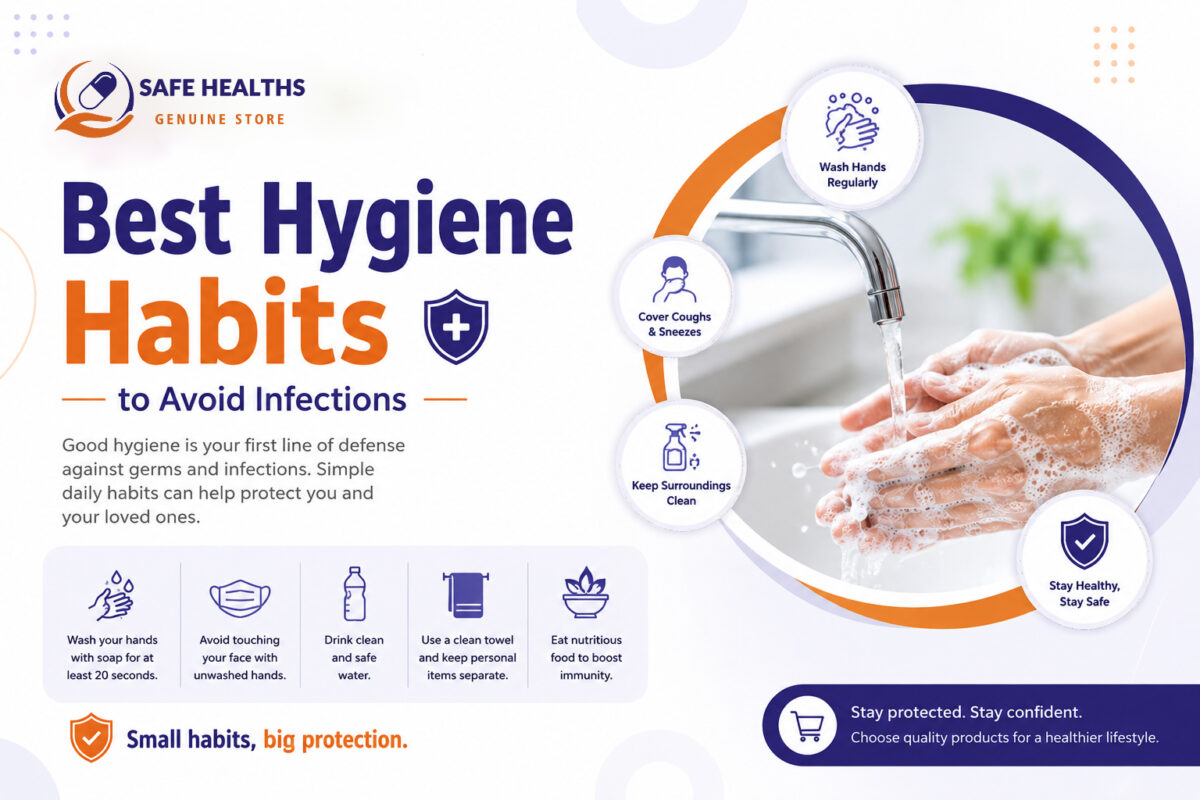
Best Hygiene Habits to Avoid Infections
Many common infections, from colds and flu to stomach bugs, spread through hands, surfaces, food, and the air. A few consistent habits cut your risk a great deal and cost almost nothing.
1. Wash Your Hands Properly
Handwashing is the single most effective habit. Wet your hands, lather with soap, scrub all surfaces for at least 20 seconds, then rinse and dry well. Wash before eating or preparing food, after using the toilet, after coughing or sneezing, after touching animals, and after being in public places. If soap is not available, use a hand sanitiser containing at least 60 percent alcohol.
2. Cover Coughs and Sneezes
Cough or sneeze into a tissue or the crook of your elbow, not your hands. Throw tissues away straight after use and wash your hands. If you are unwell, wearing a mask around others helps protect them.
3. Keep Food Safe
- Wash fruit and vegetables before eating.
- Keep raw meat and ready-to-eat foods separate.
- Cook meat, eggs, and fish thoroughly.
- Refrigerate leftovers promptly and drink clean, safe water.
4. Clean Frequently Touched Surfaces
Door handles, phones, keyboards, taps, and kitchen counters carry germs. Wipe them regularly, especially when someone in the home is ill.
5. Avoid Sharing Personal Items
Towels, razors, toothbrushes, and water bottles can pass infections between people. Keep your own and replace toothbrushes every three months.
6. Look After Cuts and Wounds
Rinse minor cuts with clean water, cover them with a clean dressing, and change it daily. Redness, swelling, warmth, or pus can point to an infection, so see our guide to the warning signs of serious infection.
7. Keep Up With Vaccinations and Dental Care
Vaccines protect against many serious infections. Brushing twice a day and cleaning between your teeth lowers the risk of gum disease and mouth infections.
8. Stay Home When You Are Sick
Resting at home helps you recover and stops others from catching what you have. Your body’s defences also matter. Learn how poor immunity increases infection risk and the natural ways to improve immune health, such as good sleep, balanced meals, and regular activity.
This article is for general information only and is not a substitute for professional medical advice.

