
Natural Ways to Improve Immune Health
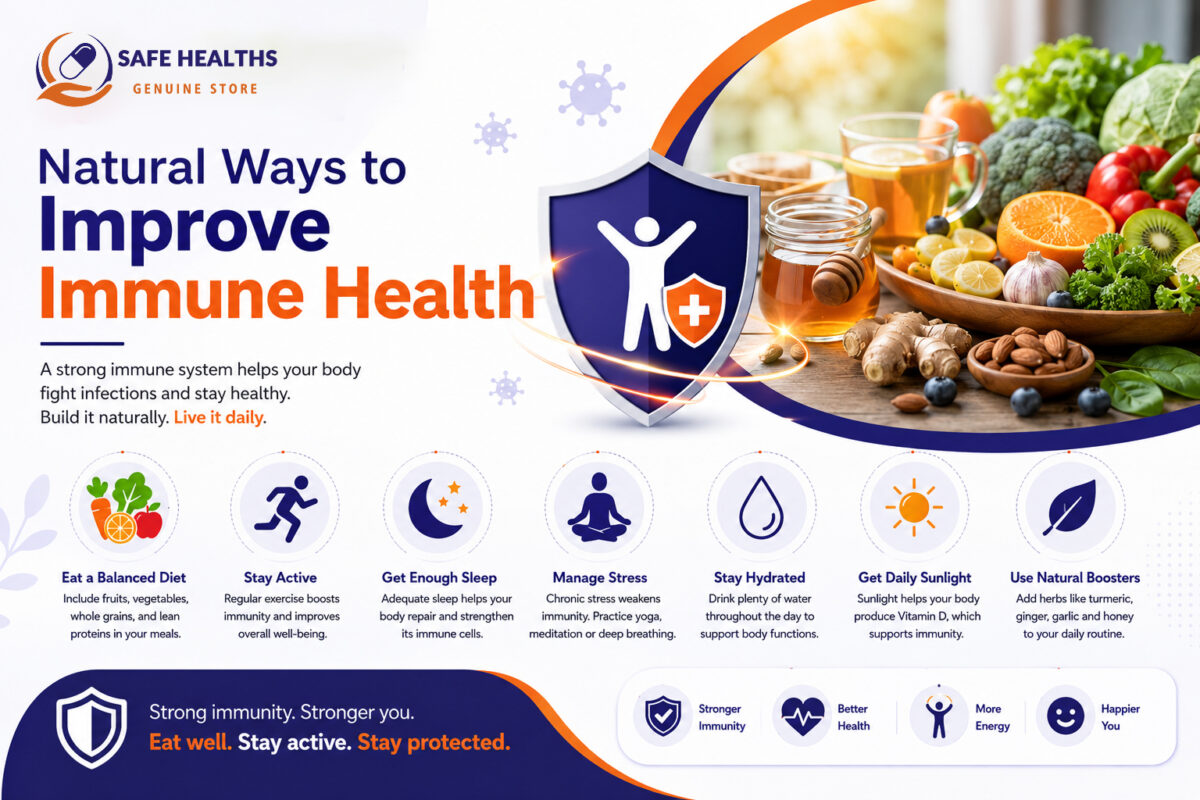
Natural Ways to Improve Immune Health
Your immune system is your body’s defence network. It works around the clock to recognise and fight bacteria, viruses, and other threats, and to repair damage afterwards. While you cannot “boost” it overnight with a single food or pill, there is good evidence that everyday habits strongly influence how well it works.
This guide covers natural, practical ways to support your immune health, from sleep and nutrition to exercise and stress, and explains which popular claims are worth ignoring.
How the Immune System Works
The immune system has two main parts. The innate system is the first line of defence, including your skin, the lining of your nose and gut, stomach acid, and white blood cells that respond within minutes. The adaptive system learns from past exposure, producing antibodies and memory cells so it can respond faster the next time. Both depend on good nutrition, rest, and a body that is not under constant strain.
The goal is not to make the immune system as active as possible, since an overactive system can cause allergies and autoimmune disease. The goal is to help it work in a balanced, well-supported way.
1. Prioritise Good Sleep
Sleep is one of the strongest influences on immunity. During deep sleep the body produces and releases proteins called cytokines that help fight infection and inflammation. People who sleep poorly are more likely to catch colds and may respond less well to vaccines.
- Aim for seven to nine hours a night as an adult.
- Keep a regular sleep and wake time, even at weekends.
- Keep your bedroom cool, dark, and quiet, and avoid screens for an hour before bed.
- Limit caffeine in the afternoon and avoid heavy meals late at night.
2. Eat a Varied, Nutrient-Rich Diet
Immune cells need a steady supply of vitamins, minerals, protein, and energy. No single “superfood” does the job. A varied diet covers the range of nutrients your body needs.
- Colourful vegetables and fruit: Provide vitamin C, vitamin A precursors, folate, and plant compounds with antioxidant effects. Include citrus fruits, berries, peppers, carrots, spinach, and tomatoes.
- Protein: Antibodies and immune cells are made from protein. Include eggs, fish, poultry, dairy, legumes, tofu, and nuts.
- Zinc: Found in meat, shellfish, seeds, legumes, and whole grains. Zinc is involved in the development of immune cells.
- Healthy fats: Omega-3 fats from oily fish, walnuts, and flaxseed help regulate inflammation.
- Garlic, ginger, and turmeric: These add flavour and contain beneficial compounds, though they do not replace a balanced diet.
Some foods are especially useful when you are fighting an illness. See our list of foods that help fight bacterial infections for practical ideas.
3. Support Your Gut Health
A large share of your immune cells sit in and around the gut. A healthy mix of gut bacteria helps train the immune system and protects against harmful germs. To support it, eat plenty of fibre from vegetables, whole grains, beans, and fruit, and include fermented foods such as curd, yoghurt, buttermilk, kefir, kimchi, or fermented vegetables. Limit very sugary and highly processed foods, which can feed less helpful bacteria.
4. Check Your Vitamin Levels
Vitamin D, B12, zinc, and iron are some of the nutrients linked with immune function, and deficiencies are common. If you have frequent infections, ongoing tiredness, or a restricted diet, ask your doctor about testing before buying supplements. Our guide to common vitamin deficiencies in men explains the signs to watch for. Taking high doses of vitamins you do not need can be harmful and does not give extra protection.
5. Stay Physically Active
Regular moderate exercise improves circulation, which lets immune cells move around the body more effectively, and it lowers chronic inflammation. Aim for about 150 minutes a week of moderate activity, such as brisk walking, cycling, or swimming, plus strength training twice a week. Very intense training without enough recovery can temporarily lower defences, so build up gradually and allow rest days.
6. Manage Stress
Long-term stress raises levels of the hormone cortisol, which can dampen immune responses and make you more prone to infections. Helpful habits include walking outdoors, breathing exercises, meditation, yoga, spending time with friends and family, hobbies, and setting reasonable limits on work. If stress or low mood feels unmanageable, speak to a doctor or counsellor.
7. Keep a Healthy Weight
Carrying excess body fat, especially around the waist, is linked with ongoing low-grade inflammation and a weaker response to some infections and vaccines. Gradual weight loss through a balanced diet and regular activity can improve overall health, including immune function.
8. Limit Alcohol and Avoid Smoking
Heavy alcohol intake weakens the body’s ability to fight germs and slows recovery. Smoking damages the lining of the airways and increases the risk of respiratory infections. Cutting back on alcohol and quitting smoking are two of the most effective steps for protecting your immune health.
9. Get Safe Sunlight and Stay Hydrated
Sunlight helps the skin make vitamin D. Spending a short time outdoors on most days, with sensible sun protection for long exposure, is helpful for many people. Drinking enough fluids keeps the lining of your nose and throat moist, helping them work as a barrier. Water, herbal teas, and clear soups all count.
10. Stay Up to Date With Vaccines and Hygiene
Vaccines are one of the safest ways to train the immune system against specific diseases. Check with your doctor which vaccines are recommended for your age and health conditions. Alongside this, simple everyday habits such as washing your hands, cleaning cuts, and handling food safely lower the number of germs your body has to deal with. Read our best hygiene habits to avoid infections for a complete checklist.
Natural Immunity Myths
- “Mega-doses of vitamin C prevent colds.” For most people they do not, though regular intake may slightly shorten colds.
- “Detox drinks cleanse the immune system.” Your liver and kidneys already do this, and there is no evidence that detox products help immunity.
- “Cold weather causes colds.” Viruses cause colds. People simply spend more time indoors in close contact during cold months.
- “More immune activity is always better.” Balance matters. Overactive immunity can cause allergies and autoimmune conditions.
Signs Your Immunity May Need Attention
It is normal for adults to catch a few colds a year. Speak to a doctor if you have infections that are unusually frequent, severe, or slow to clear, infections in unusual places, repeated antibiotic courses, ongoing tiredness, or slow-healing wounds. These can sometimes point to an underlying cause. Learn more about how poor immunity increases infection risk.
A Simple Daily Routine to Support Immunity
- Morning: Drink water, eat a protein-rich breakfast with fruit, and get some daylight.
- Daytime: Move regularly, eat plenty of vegetables, and take short breaks to reduce stress.
- Evening: Have a balanced dinner, switch off screens early, and wind down.
- Night: Aim for seven to nine hours of sleep.
Final Thoughts
Supporting your immune system is not about quick fixes. It is about steady habits that add up: enough sleep, a varied diet, regular movement, stress management, and avoiding smoking and heavy drinking. These habits also protect your heart, mind, and long-term health.
This article is for general information only and is not a substitute for professional medical advice.