
Can Diabetes Be Prevented? Tips for Reducing Your Risk
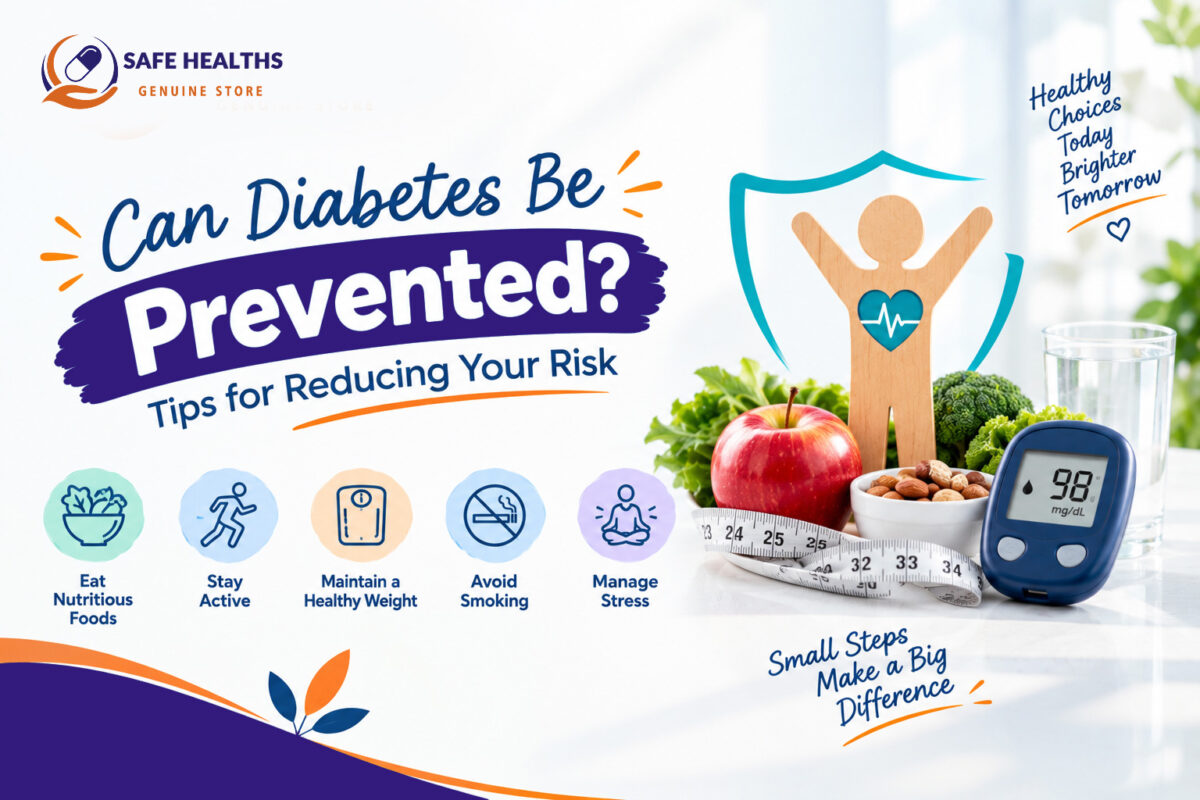
Can Diabetes Be Prevented? Tips for Reducing Your Risk
Whether diabetes can be prevented depends on the type. Type 1 diabetes, an autoimmune condition, cannot currently be prevented. But type 2 diabetes, which makes up roughly nine in ten cases, can very often be prevented or delayed, sometimes for many years, through changes in lifestyle. Large studies have shown that people at high risk who lose a modest amount of weight and become more active can cut their chances of developing type 2 diabetes by more than half.
This guide explains who is at risk, what the evidence says about prevention, and practical, step-by-step tips for reducing your risk, including diet, activity, weight, sleep, and regular screening.
Type 1 vs Type 2: What Can Be Prevented?
- Type 1 diabetes: Caused by the immune system destroying insulin-producing cells. It is not caused by lifestyle, and there is currently no proven way to prevent it, although research continues.
- Type 2 diabetes: Caused by insulin resistance and gradually declining insulin production, strongly influenced by weight, activity, diet, and genetics. It can often be prevented or delayed.
See the difference between type 1 and type 2 diabetes for more.
What Does the Evidence Show?
Landmark trials, such as the US Diabetes Prevention Program and the Finnish Diabetes Prevention Study, found that people with prediabetes who lost about 5 to 7 percent of their body weight and did around 150 minutes of physical activity a week reduced their risk of developing type 2 diabetes by roughly 58 percent over three years. The benefits lasted for years afterwards. In the US trial, the lifestyle programme was more effective than the medicine metformin in most people, particularly older adults.
Who Is at Higher Risk of Type 2 Diabetes?
- Overweight or obesity, especially extra weight around the waist.
- Prediabetes.
- Family history of diabetes.
- Age over 35 to 45.
- Physical inactivity.
- History of gestational diabetes, or polycystic ovary syndrome (PCOS).
- High blood pressure or high cholesterol.
- Certain ethnic backgrounds, including South Asian, African, Hispanic, and Indigenous populations.
- Smoking and poor sleep.
You cannot change age or family history, but you can change many of the other factors.
Tip 1: Maintain a Healthy Weight
Excess weight is the strongest modifiable risk factor. If you are overweight, losing 5 to 10 percent of your body weight can greatly reduce risk. Focus on gradual loss through food and activity changes, not crash diets. Read how to lose weight naturally and safely.
Tip 2: Move More
- Aim for at least 150 minutes a week of moderate activity, such as brisk walking.
- Add strength training two or three times a week.
- Break up long periods of sitting.
- Walk for 10 to 15 minutes after meals.
See how exercise helps manage diabetes for how activity affects blood sugar.
Tip 3: Eat a Balanced, Mostly Whole-Food Diet
- Fill half your plate with vegetables and fruit.
- Choose whole grains, legumes, nuts, and seeds.
- Include lean protein and fish.
- Use healthy fats such as olive oil.
- Limit sugary drinks, sweets, refined grains, processed meat, and fried foods.
- Control portion sizes.
See the best foods to help manage blood sugar.
Tip 4: Cut Down on Sugary Drinks
Regular consumption of sugary drinks is associated with higher diabetes risk, partly through weight gain and partly through blood sugar spikes. Swap them for water, sparkling water, and unsweetened tea or coffee.
Tip 5: Eat More Fibre
High-fibre diets are linked with lower risk. Fibre slows glucose absorption, improves fullness, and supports gut health.
Tip 6: Do Not Smoke
Smokers have a higher risk of type 2 diabetes. Quitting reduces risk over time, although some people gain weight when they stop, so combine quitting with healthy eating and activity.
Tip 7: Limit Alcohol
Heavy drinking raises risk, partly through weight gain and effects on the pancreas and liver. If you drink, keep to moderate limits.
Tip 8: Sleep Well
Poor sleep, and sleep apnoea, are linked with insulin resistance and weight gain. Aim for seven to nine hours, and seek help for snoring and daytime sleepiness.
Tip 9: Manage Stress
Chronic stress raises cortisol and blood sugar and can lead to unhealthy eating. Use breathing, relaxation, exercise, and social support.
Tip 10: Control Blood Pressure and Cholesterol
These often occur with prediabetes and diabetes. Keep them in check through lifestyle and, if needed, medicines.
Tip 11: Get Screened
Regular blood tests can detect prediabetes early, when it is most reversible. Screening is commonly advised from around 35, or earlier if you have risk factors. Fasting glucose, HbA1c, or a glucose tolerance test can be used.
Tip 12: Consider Medicines if Advised
For some people at very high risk, doctors may recommend metformin or other medicines alongside lifestyle changes. This is a decision for you and your doctor.
Tip 13: Know the Warning Signs
Increased thirst, frequent urination, unexplained tiredness, blurred vision, and slow-healing wounds can signal that blood sugar is already high. See the early warning signs of diabetes.
Prediabetes: A Second Chance
If you are told you have prediabetes, it is not a diagnosis of diabetes, but a clear warning. Without action, a large share of people with prediabetes progress to type 2 diabetes within years. With action, many return to normal blood sugar levels. Take it seriously, and make changes now.
Preventing Gestational Diabetes and Diabetes After Pregnancy
Women who had gestational diabetes have a higher risk of type 2 diabetes later and should have regular screening, keep a healthy weight, and stay active. Breastfeeding may also be protective.
Preventing Diabetes in Children and Families
- Encourage active play and limit screen time.
- Offer healthy meals and limit sugary drinks.
- Role-model healthy habits.
- Make changes as a family.
A Simple Action Plan
- This week: Replace sugary drinks with water, and walk 15 to 30 minutes a day.
- This month: Add strength sessions, fill half your plate with vegetables, and set a regular bedtime.
- This quarter: Reach a 5 percent weight loss goal if needed, and book a screening test.
- This year: Keep up habits, and recheck your blood sugar and risk factors.
Myths About Preventing Diabetes
- “Eating sugar directly causes diabetes.” Excess calories, weight gain, and a poor diet over time raise risk, not sugar alone.
- “If it runs in my family, it is inevitable.” Family history raises risk, but lifestyle can make a big difference.
- “Only overweight people get type 2.” People of normal weight can get it, so screening still matters.
When to See a Doctor
See a doctor if you have risk factors, symptoms, or a family history, and ask about screening. Seek advice if you have prediabetes, and ask about a structured prevention programme.
Frequently Asked Questions
Can type 1 diabetes be prevented?
Not currently, though research is ongoing.
How much weight loss helps?
5 to 7 percent of body weight can cut risk substantially in people with prediabetes.
Is it too late if I have prediabetes?
No. Prediabetes is the best time to act.
Final Thoughts
You cannot prevent type 1 diabetes, but type 2 is largely preventable. Maintain a healthy weight, stay active, eat well, avoid smoking, sleep, manage stress, and get screened. Small, consistent changes today can protect your health for decades.
This article is for general information only and is not a substitute for professional medical advice.