
How Wormentel Helps Eliminate Intestinal Worms Effectively
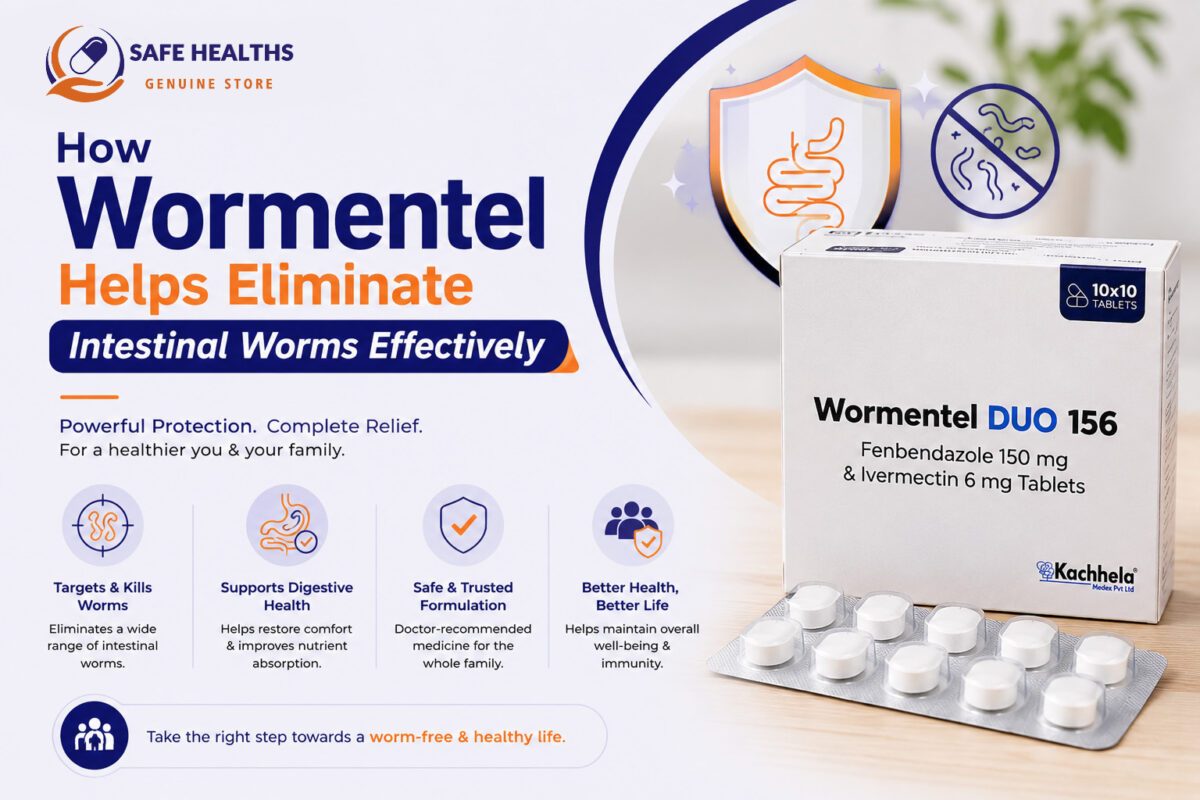
How Wormentel Helps Eliminate Intestinal Worms Effectively
When people search for ways to get rid of intestinal worms, they often want to understand how an anti-worm medicine actually works inside the body. How does it reach the parasite? Why do some worms die within days while others need repeated treatment? And why do infections so often come back?
This guide explains how worm infections develop, how medicines of the benzimidazole family, which includes the fenbendazole in Wormentel, act on parasites, what affects whether treatment is effective, and how to reduce the risk of getting infected again. It also covers important safety points, because fenbendazole is a veterinary medicine and not an approved human treatment.
Understanding How Worm Infections Develop
Most intestinal worms follow a life cycle that depends on contact with contaminated soil, water, food, or surfaces.
- Roundworm, whipworm, and pinworm: Microscopic eggs are swallowed from contaminated hands, food, or surfaces. They hatch in the intestine, and the worms mature and produce more eggs.
- Hookworm: Larvae in soil penetrate the skin, usually of bare feet, travel to the lungs, are coughed up and swallowed, and then settle in the small intestine.
- Tapeworms: Usually acquired by eating raw or undercooked meat or fish containing larval cysts.
Once established, worms may live for months or even years, feeding on blood, nutrients, or intestinal contents. A heavy burden can lead to anaemia, malnutrition, and growth problems in children.
How Benzimidazole Anti-Worm Medicines Work
Fenbendazole, albendazole, and mebendazole are benzimidazoles. They act in several linked ways:
1. Blocking the Worm’s Cell Structure
These medicines bind to a protein called beta-tubulin in the parasite’s cells. This stops the formation of microtubules, which are essential for cell division, internal transport, and maintaining the worm’s structure. Parasite tubulin is more sensitive to these drugs than human tubulin, which is why the medicines can harm worms with limited effect on the host, although side effects are still possible.
2. Cutting Off the Energy Supply
Without functioning microtubules, the worm cannot properly absorb glucose through its gut lining. Parasites rely heavily on glucose for energy, so they gradually run out of fuel.
3. Gradual Weakening and Elimination
The weakened worms stop feeding, lose their grip on the intestinal wall, and are passed out in the stool, often over several days. This is why symptoms may take time to improve, and why repeat dosing is sometimes needed for some infections.
The Role of Ivermectin in Combination Products
Some products, such as Wormentel Duo, combine fenbendazole with ivermectin. Ivermectin acts differently, binding to glutamate-gated chloride channels in parasite nerve and muscle cells, causing paralysis and death. Combining agents may broaden the range of parasites targeted, but it also increases the number of potential side effects and interactions, so it should only be used with medical guidance.
Are These Medicines Absorbed Into the Body?
Benzimidazoles are generally poorly absorbed from the gut, which suits intestinal worm infections because the medicine stays in the intestine where the worms live. Absorption can be increased by taking some of these medicines with a fatty meal. For infections where the parasites live in tissues, such as certain tapeworm cysts, higher absorption is useful. These differences explain why the approved human medicines come with specific, tested instructions, and why using an unapproved veterinary product without evidence of correct human dosing is risky.
What Determines Whether Treatment Works?
- Correct diagnosis: The medicine must match the worm. For example, tapeworms and Strongyloides need different drugs than pinworm.
- Correct dose and duration: Too little may fail to clear the infection, and too much raises the risk of side effects.
- Quality and authenticity of the product: Counterfeit or poorly made medicines may contain the wrong amount of active ingredient.
- Adherence: Missing doses can leave worms alive.
- Reinfection: If the source of infection remains, worms can return soon after treatment.
- Drug resistance: Resistance to benzimidazoles has been documented in animal parasites and is a concern for some human infections.
How Long Does It Take to Clear Worms?
It depends on the worm and the treatment. Some infections, such as pinworm, are typically treated with a dose that is repeated after two weeks to kill newly hatched worms. Others may need several days of treatment. Symptoms such as itching or abdominal discomfort often start to ease within days, but tiredness and anaemia may take weeks to recover. Your doctor may arrange a follow-up stool test to confirm that the infection has cleared.
Why Reinfection Is So Common
Many people feel better after treatment, then become infected again. Common reasons include:
- Eggs surviving on bedding, clothing, toilet seats, and household surfaces.
- Close contact with family members or classmates who are also infected.
- Poor handwashing, especially among children.
- Walking barefoot on contaminated soil.
- Eating contaminated food or drinking unsafe water.
For pinworm in particular, doctors often recommend treating all household members at the same time.
Practical Steps to Support Treatment
- Wash hands thoroughly: After the toilet, before meals, and after changing nappies.
- Keep nails short.
- Wash bedding, towels, and underwear in hot water and dry on a hot setting.
- Clean bathroom surfaces frequently.
- Avoid scratching and shower in the morning if you have pinworm.
- Cook meat and fish properly and wash vegetables and fruit.
- Use safe drinking water and wear footwear outdoors in hookworm areas.
- Treat pets under veterinary advice.
See our guide to the best hygiene habits to avoid infections for a full checklist.
Safety and Side Effects
Benzimidazole medicines can cause nausea, abdominal pain, diarrhoea, dizziness, headache, and in rare cases liver problems or low blood cell counts. These risks are better studied for approved drugs than for fenbendazole in humans. Reports in the medical literature describe liver injury in people who took fenbendazole, so anyone with liver problems or taking other medicines should be particularly careful. Pregnancy is another important consideration, as benzimidazoles are generally avoided in the first trimester.
Is Wormentel Approved for Humans?
No. Fenbendazole is approved for animals. Doctors typically prescribe albendazole, mebendazole, ivermectin, or praziquantel for people, depending on the parasite. Learn more about the differences in how Wormentel compares with other deworming medicines, and the broader overview in Wormentel anti-worm medicine: everything you need to know.
When to See a Doctor
See a doctor if you have symptoms of a worm infection, such as persistent abdominal pain, diarrhoea, weight loss, anaemia, or itching around the anus, or if you have seen worms in your stool. Seek urgent care for severe abdominal pain, vomiting, blood in stool, yellow skin or eyes, or a high fever. Children and pregnant women should always have medical advice before treatment.
Frequently Asked Questions
Do worms die immediately after treatment?
Not always. They are weakened and then passed out over several days.
Will I see dead worms in my stool?
Sometimes, particularly with larger worms such as roundworm, but often they are not visible.
Do I need a repeat dose?
For some infections, yes, to catch worms that hatch after the first dose. Follow your doctor’s advice.
Final Thoughts
Benzimidazole anti-worm medicines work by starving parasites of energy, and they can be effective when matched to the right worm. But the safest and most reliable treatment is one prescribed by a doctor, using a medicine approved for human use, combined with strong hygiene habits to prevent reinfection.
This article is for general information only and is not a substitute for professional medical advice. Do not take anti-worm medicines without guidance from a qualified healthcare professional.

