

No products in the cart.
06
Aug
Aug
Blog
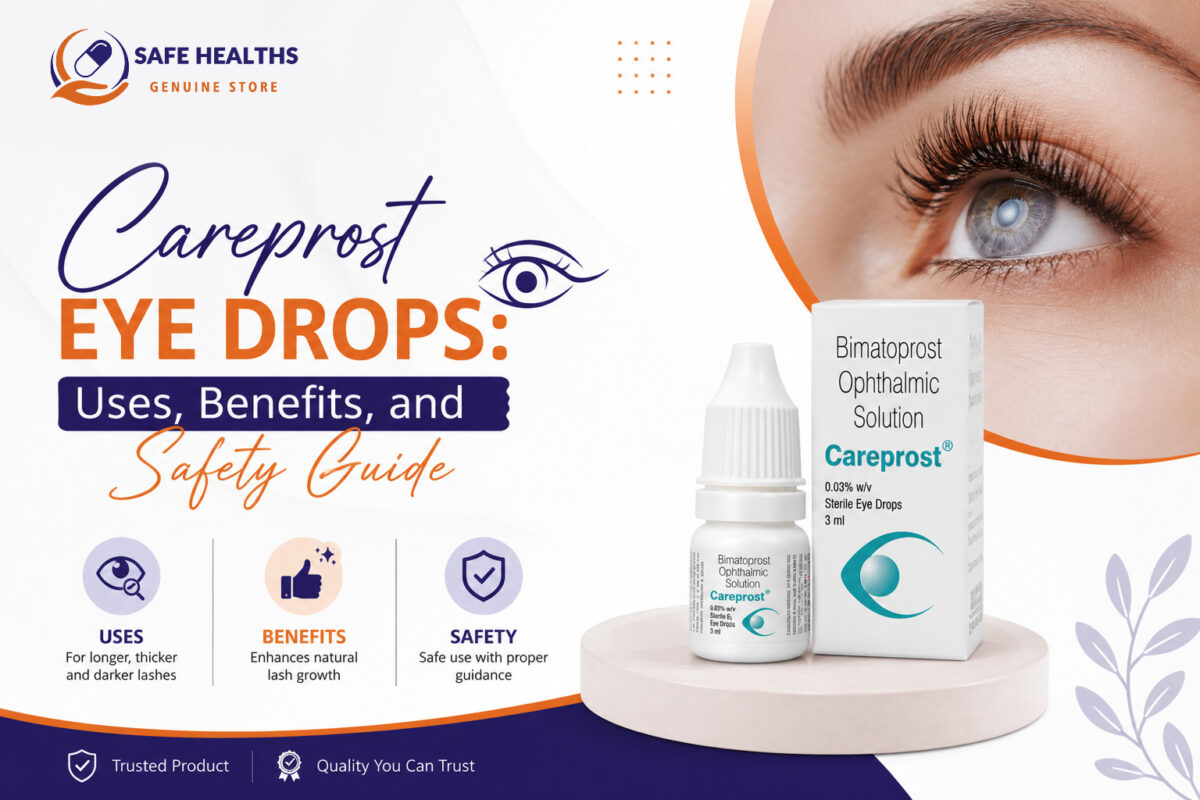
Careprost Eye Drops: Uses, Benefits, and Safety Guide
How to Cure ED: A Comprehensive Guide to Reclaiming Your Confidence
Erectile dysfunction (ED) is a topic that many find difficult to discuss, but it’s an incredibly common health issue. If you’re experiencing challenges with getting or maintaining an erection, know that you are not alone. The good news is that ED is highly treatable. While the word “cure” can be complex, for most people, identifying the root cause and pursuing the right treatment can lead to a complete return of healthy sexual function.
This guide will walk you through the causes of erectile dysfunction and provide a clear roadmap of actionable steps you can take, from lifestyle changes to medical treatments, to manage and overcome it.
Understanding the Root Causes of Erectile Dysfunction
The first step in finding an effective treatment is understanding why ED is happening. An erection is a complex process involving your brain, hormones, nerves, and blood vessels. A problem with any of these systems can lead to ED. The causes generally fall into two main categories: physical and psychological.
Common Physical Causes:
- Cardiovascular Issues: Conditions like heart disease, high blood pressure, and high cholesterol can clog or narrow blood vessels, restricting blood flow to the penis. ED is often one of the earliest warning signs of underlying heart problems.
- Diabetes: High blood sugar can damage nerves and blood vessels, which are essential for achieving an erection.
- Obesity: Excess weight can contribute to many of the other physical causes, including heart disease and diabetes.
- Hormonal Imbalances: Low testosterone (Low T) can reduce libido and contribute to ED.
- Neurological Disorders: Conditions like Parkinson’s disease, multiple sclerosis (MS), or spinal cord injuries can interfere with the nerve signals sent from the brain to the penis.
Common Psychological Causes:
- Stress and Anxiety: Everyday stress, work pressure, or financial worries can all impact sexual performance. Performance anxiety—the fear of not being able to perform—can create a self-perpetuating cycle.
- Depression: This common mental health condition can significantly lower your libido and cause ED.
- Relationship Problems: Issues with communication or unresolved conflicts with a partner can manifest as physical intimacy problems.
The First Step: Lifestyle Changes and Natural Approaches
Before exploring medical interventions, many people find significant improvement by making targeted lifestyle adjustments. These changes address many of the root physical causes of ED and benefit your overall health.
1. Adopt a Heart-Healthy Diet
What’s good for your heart is good for your erections. Focus on a diet rich in fruits, vegetables, whole grains, and lean proteins. Foods high in flavonoids, like berries, citrus fruits, and dark chocolate, have been shown to improve erectile function. Cut back on processed foods, saturated fats, and sugar, which can contribute to poor circulation.
2. Get Moving: The Power of Exercise
Regular physical activity is one of the most effective ways to combat ED. Aerobic exercise, such as brisk walking, running, or swimming, improves blood flow throughout your body. Additionally, pelvic floor exercises (Kegels) can strengthen the muscles at the base of the penis, which helps trap blood during an erection.
3. Manage Stress and Prioritize Sleep
Chronic stress floods your body with cortisol, a hormone that can suppress testosterone and constrict blood vessels. Incorporate stress-reduction techniques into your routine, such as meditation, yoga, or deep-breathing exercises. Aim for 7-8 hours of quality sleep per night, as this is when your body regulates hormones, including testosterone.
4. Reduce Alcohol and Quit Smoking
Excessive alcohol consumption can act as a depressant and impair erectile function. Smoking is a primary cause of vascular disease, as it damages blood vessels and severely restricts blood flow. Quitting smoking is one of the single best things you can do for both your erectile health and overall longevity.
When to Seek Medical Treatment
If lifestyle changes aren’t enough, it’s time to speak with a healthcare professional. A doctor can perform tests to identify any underlying conditions and recommend a treatment plan tailored to you. There is no shame in seeking help—it’s a proactive step toward better health.
Oral Medications (PDE5 Inhibitors)
This is the most common first-line medical treatment. Drugs like sildenafil (Viagra), tadalafil (Cialis), and vardenafil (Levitra) work by enhancing the effects of nitric oxide, a natural chemical your body produces to relax muscles in the penis. This increases blood flow and allows you to get an erection in response to sexual stimulation.
Hormone Therapy
If blood tests reveal that low testosterone is a contributing factor, your doctor may recommend testosterone replacement therapy (TRT). This can be administered through gels, injections, or patches and can help restore libido and improve erectile function.
Other Medical Options
For individuals who don’t respond to oral medications, other effective treatments are available. These can include penile injections, vacuum erection devices (penis pumps), or, in some cases, surgical options like penile implants. A specialist can help you determine the best path forward.
Taking the Next Step Towards a Solution
Erectile dysfunction is not a life sentence. It is a treatable medical condition, and often, it’s your body’s way of signaling that it’s time to pay closer attention to your overall health. The journey to overcoming ED starts with a single step: having an open conversation with your partner and, most importantly, with your doctor.
By understanding the causes, embracing healthier habits, and exploring the right medical treatments, you can regain control, restore your confidence, and enjoy a healthy, fulfilling sex life.
Disclaimer: This article is for informational purposes only and does not constitute medical advice. Please consult with a qualified healthcare professional for a diagnosis and to discuss your treatment options.
