
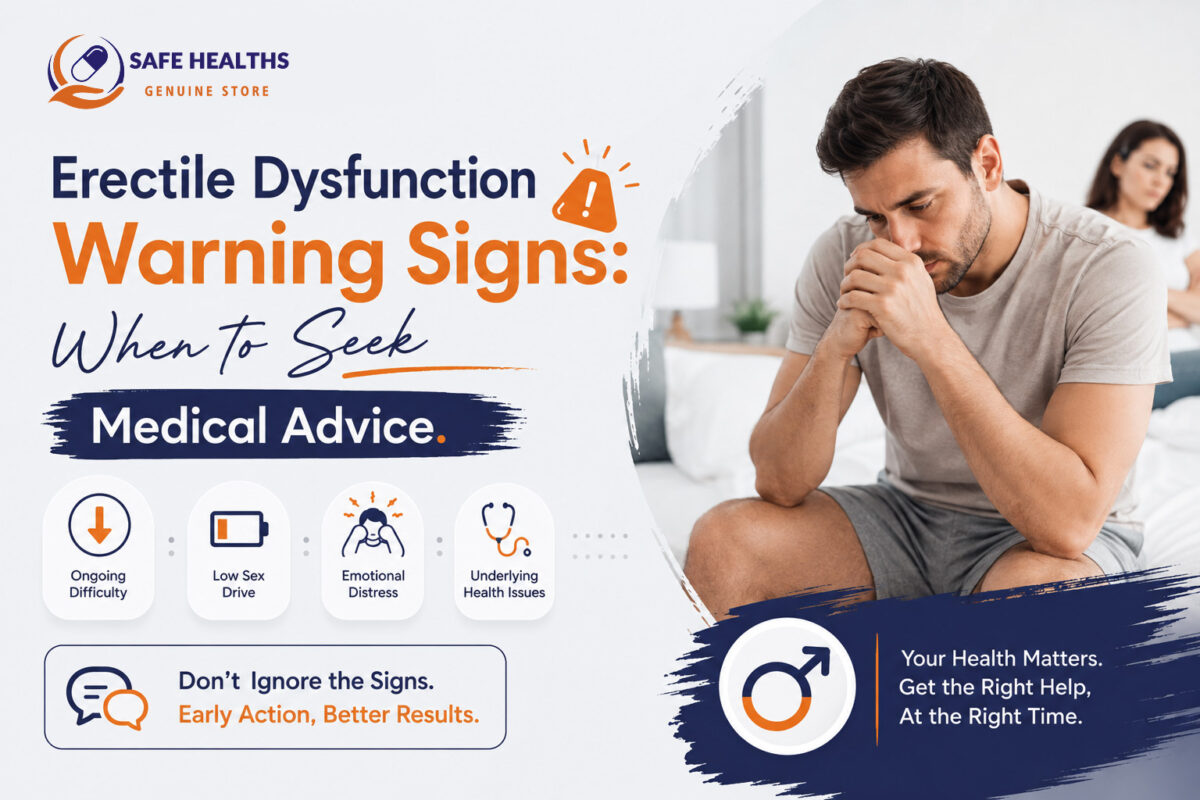
Erectile Dysfunction Warning Signs: When to Seek Medical Advice
How To Cure ED: A Comprehensive Guide to Treatment and Management
Erectile dysfunction (ED) is a deeply personal and often frustrating condition, but it’s important to know you are not alone. It affects millions of men worldwide, and the search for a “cure” is one of the most common health queries online. While the word “cure” suggests a one-time fix, it’s more accurate to think of ED in terms of highly effective treatments and management strategies that can restore sexual function and confidence.
The good news is that for the vast majority of men, ED is treatable. The key is to understand the underlying cause and find the right approach for you. This guide will walk you through the proven methods for managing and improving erectile dysfunction.
Understanding the Root Causes of Erectile Dysfunction
Before diving into solutions, it’s crucial to understand that ED is often a symptom, not the core problem. It can be a sign of an underlying health issue. The causes of ED can be broadly categorized into two groups: physical and psychological.
Physical Causes Include:
- Cardiovascular Disease: Clogged blood vessels (atherosclerosis), high blood pressure, and high cholesterol can all restrict blood flow to the penis.
- Diabetes: High blood sugar can damage nerves and blood vessels involved in achieving an erection.
- Hormonal Imbalances: Low testosterone can contribute to a low libido and ED.
- Neurological Disorders: Conditions like Parkinson’s disease or multiple sclerosis can interfere with nerve signals from the brain to the penis.
- Obesity: Being overweight is linked to diabetes, poor circulation, and hormonal changes that contribute to ED.
- Lifestyle Factors: Smoking, excessive alcohol consumption, and drug use all negatively impact circulation and erectile function.
Psychological Causes Include:
- Stress and Anxiety: Everyday stress or specific performance anxiety can interfere with sexual arousal.
- Depression: This common mental health condition can significantly reduce libido and sexual function.
- Relationship Problems: Communication issues or unresolved conflicts with a partner can contribute to ED.
The First and Most Important Step: Talk to a Doctor
Self-diagnosing and ordering questionable supplements online is not the answer. The most critical step in addressing ED is to consult a healthcare professional. A doctor can perform tests to identify any underlying health conditions, like heart disease or diabetes, that need to be treated. They will provide an accurate diagnosis and guide you toward safe, effective, and personalized treatment options.
Proven Medical Treatments for ED
Based on your diagnosis, your doctor may recommend one or more of the following medical treatments, which have a high rate of success.
Oral Medications (PDE5 Inhibitors)
These are often the first line of treatment. Medications like Sildenafil (Viagra), Tadalafil (Cialis), and Vardenafil (Levitra) work by increasing blood flow to the penis in response to sexual stimulation. They are safe and effective for most men but require a prescription to ensure they don’t interact with other medications you may be taking.
Testosterone Replacement Therapy (TRT)
If blood tests reveal that your ED is caused by low testosterone, your doctor might suggest TRT. This can be administered through gels, patches, injections, or pellets. TRT can help restore libido and improve erectile function in men with a confirmed hormone deficiency.
Other Medical Interventions
For men who cannot take oral medications, other options exist. These include penile injections (alprostadil), vacuum erection devices, and intraurethral suppositories. While they may sound intimidating, they are effective and established medical treatments.
Lifestyle Changes: Powerful Tools to Improve ED
Medical treatments are powerful, but they work best when combined with healthy lifestyle changes. For some men, these changes alone can be enough to significantly improve or even reverse ED.
Adopt a Heart-Healthy Diet
What’s good for your heart is good for your penis. Focus on a diet rich in fruits, vegetables, whole grains, and lean proteins, like the Mediterranean diet. These foods help improve circulation, manage weight, and reduce the risk of clogged arteries.
Get Regular Exercise
Physical activity is a game-changer. Aerobic exercise, such as brisk walking, running, or swimming, boosts cardiovascular health, improves blood flow, helps reduce stress, and aids in weight loss—all of which are crucial for combating ED.
Quit Smoking and Reduce Alcohol Intake
Smoking damages blood vessels and severely restricts blood flow throughout the body, including to the penis. Excessive alcohol consumption can also impair erectile function. Quitting smoking and moderating your alcohol intake are two of the most impactful changes you can make.
Prioritize Sleep and Manage Stress
Lack of sleep and chronic stress can wreck your hormone levels and increase adrenaline, which can constrict blood vessels. Aim for 7-9 hours of quality sleep per night and incorporate stress-management techniques like meditation, yoga, or mindfulness into your daily routine.
Addressing the Psychological Side of ED
If your ED is linked to anxiety, stress, or depression, addressing your mental health is key. Performance anxiety can create a vicious cycle where worrying about getting an erection becomes the very thing that prevents it. Speaking with a therapist or counselor can provide you with coping strategies. Couples counseling can also be extremely beneficial if relationship issues are a contributing factor.
Conclusion: A Manageable Condition, Not a Life Sentence
So, can ED be cured? If your ED is caused by reversible lifestyle factors, making significant changes can potentially reverse it. For many others, especially those with chronic underlying conditions, ED is a highly manageable condition. With the right combination of medical treatment, lifestyle adjustments, and attention to mental well-being, nearly every man can regain a healthy and satisfying sex life.
The journey starts with a single step: breaking the silence. Schedule an appointment with your doctor to discuss your concerns. It’s a sign of strength to take control of your health, and effective solutions are within your reach.