
Best Recovery Tips After Viral Fever
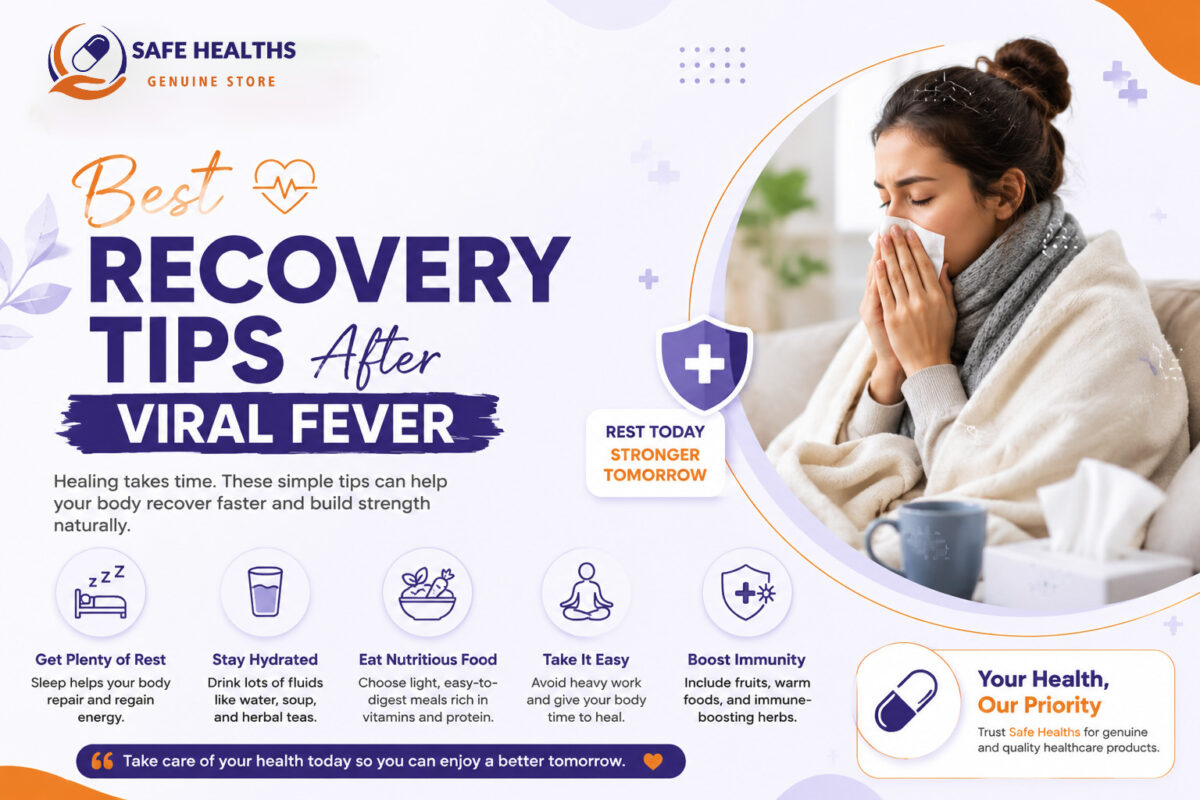
Best Recovery Tips After Viral Fever
When the fever finally breaks after a viral illness, you might expect to feel normal again straight away. In reality, many people feel weak, tired, achy, and foggy for days or even a couple of weeks afterwards. This is a normal part of recovery. Your body has used a lot of energy fighting the virus and needs time to rebuild.
This guide gives practical, evidence-based tips to help you recover well after a viral fever, including what to eat, how to rest, how to return to activity, and which symptoms need medical attention.
Why Do You Feel Weak After Viral Fever?
- The immune response uses a lot of energy, and fever raises the body’s metabolism.
- Fluid and nutrient loss from sweating, reduced appetite, vomiting, or diarrhoea.
- Muscle breakdown during illness and inactivity.
- Inflammation and chemical signals in the body, which cause tiredness.
- Poor sleep during the illness.
Fatigue can last from several days to a couple of weeks after a typical viral fever. Some infections, such as dengue, chikungunya, influenza, and COVID-19, may cause tiredness that lasts longer.
1. Keep Resting, Even After the Fever Is Gone
Do not rush back to full activity the moment your temperature drops. Aim for at least 24 to 48 hours without fever before going back to work, school, or exercise. Sleep as much as you need, and take short naps if you feel tired during the day.
2. Rehydrate Properly
Dehydration can add to tiredness, headache, and dizziness. Drink water through the day, along with oral rehydration solution, coconut water, clear soups, buttermilk, and fresh fruit juices without added sugar. A good guide is pale yellow urine.
3. Eat Nutritious, Easy-to-Digest Meals
Appetite often returns slowly. Start with light, easy foods and move to regular meals as you feel able.
- Protein: Eggs, dal, curd, fish, chicken, paneer, tofu, and milk support repair of tissues and immune cells.
- Fruits and vegetables: Citrus fruits, papaya, guava, pomegranate, spinach, carrots, and pumpkin provide vitamins and antioxidants.
- Whole grains: Khichdi, porridge, oats, rice, and rotis give steady energy.
- Healthy fats: Nuts, seeds, and ghee or oil in moderation.
- Iron-rich foods: Leafy greens, lentils, dates, and lean meat, especially if you had a long illness.
Small, frequent meals work better than large heavy ones. For more ideas, see our list of foods that support your body while it fights infection.
4. Avoid Foods That Slow Recovery
- Alcohol and smoking.
- Heavily fried, oily, or very spicy food.
- Sugary drinks and sweets, which offer little nutrition.
- Excessive caffeine, which can interfere with sleep and hydration.
5. Return to Activity Gradually
Start with gentle movement, such as slow walks around the house or garden, and increase by a little each day. Avoid intense exercise until you feel fully recovered, usually at least a week after the fever settles. Heavy training too soon can prolong tiredness or, rarely, cause heart complications after some viral infections. If you notice chest pain, palpitations, or unusual breathlessness, stop and seek medical advice.
6. Prioritise Quality Sleep
Sleep is when the body does most of its repair work. Keep a regular bedtime, keep the room cool and dark, avoid screens before bed, and limit caffeine in the afternoon.
7. Support Your Immune System
After an illness, a healthy lifestyle helps your defences rebuild. Eat a balanced diet, get regular moderate exercise as you recover, manage stress, and avoid smoking. Read our guide to natural ways to improve immune health.
8. Manage Lingering Symptoms
- Cough: Warm fluids, honey (not under one year old), and steam can help. A dry cough can linger for weeks.
- Body aches and joint pain: Gentle stretching, warm baths, and paracetamol if needed. Chikungunya in particular may cause joint pain lasting weeks.
- Hair fall: Temporary hair shedding can occur a month or two after a high fever and usually grows back.
- Loss of taste or smell: Usually returns gradually. See a doctor if it lasts more than a few weeks.
- Brain fog and low mood: Common after illness. Rest, nutrition, and gentle activity help.
9. Look After Your Mental Wellbeing
Feeling low or anxious after an illness is common, particularly if you were very unwell. Stay in touch with friends and family, get some daylight, and be patient with yourself. Speak to a doctor if low mood continues.
10. Consider Supplements Only When Needed
If you ate poorly for a long time, a doctor may check for deficiencies such as iron, vitamin D, or B12 and recommend supplements if needed. Avoid taking large doses without advice.
A Sample Recovery Day
- Morning: Water or ORS, a light breakfast of oats or poha with fruit, and a few minutes of sunlight.
- Mid-morning: Coconut water or fresh fruit.
- Lunch: Dal, rice, vegetables, and curd.
- Afternoon: A short rest and a gentle walk.
- Evening: A handful of nuts and a warm soup.
- Dinner: Light khichdi or a vegetable and egg dish, followed by an early night.
How Long Does Recovery Take?
Most people feel noticeably better within a week of the fever ending, although tiredness may last up to two weeks. After more severe infections, recovery can take several weeks. Understanding the course of the illness itself helps. See viral fever symptoms and treatment.
When to See a Doctor
Seek medical advice if you notice:
- The fever returns or lasts more than three days.
- Fatigue or weakness that does not improve after two to three weeks, or that is getting worse.
- Chest pain, palpitations, fainting, or shortness of breath.
- Severe or persistent headache, vomiting, or abdominal pain.
- Bleeding, easy bruising, or very dark stools.
- Persistent cough with blood or thick coloured phlegm and fever.
- Signs of dehydration or very little urination.
Symptoms that improve and then suddenly worsen may signal a secondary bacterial infection. Learn about the warning signs of serious infection. For a broader plan, see how to recover faster from viral infections.
Preventing Reinfection
- Wash hands regularly.
- Avoid close contact with ill people.
- Keep vaccinations up to date.
- Protect yourself from mosquitoes if you live in an area with dengue or chikungunya.
Frequently Asked Questions
Why do I feel so tired after the fever is gone?
Your body is still repairing itself. Fatigue is common and usually improves over days to weeks.
Can I exercise right away?
Wait until you feel normal and have been fever-free for at least 24 to 48 hours, then restart gently.
Do I need antibiotics after a viral fever?
No, unless a doctor identifies a bacterial infection.
Final Thoughts
Recovery after viral fever takes time. Rest, hydrate, eat well, and return to activity slowly. Be patient with your body, and see a doctor if symptoms linger or worsen.
This article is for general information only and is not a substitute for professional medical advice.

