
Foods That Help Fight Bacterial Infections
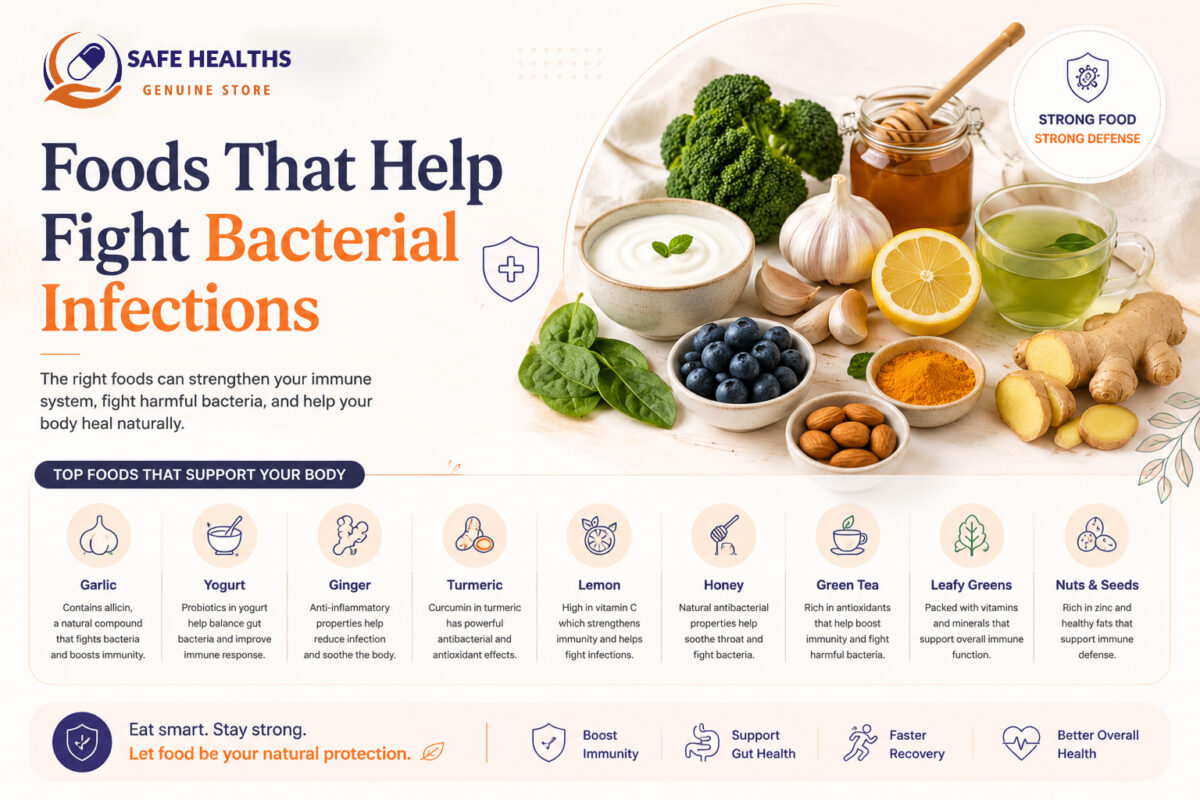
Foods That Help Fight Bacterial Infections
When you have a bacterial infection, your body needs extra energy, protein, and nutrients to fight the germs and repair damaged tissue. The right foods can support your immune system and help you recover. But there is an important point to be clear about from the start: food cannot cure a bacterial infection. Many bacterial infections need antibiotics, and some can become serious without treatment.
This guide explains which foods support your body while it fights infection, how they work, what to avoid, and when you should see a doctor rather than rely on diet.
Can Food Really Fight Bacteria?
Some foods, such as garlic and honey, contain compounds that show antibacterial effects in laboratory studies. However, the amounts that reach infected tissue when you eat them are small, and laboratory results do not always translate to real-life treatment. A better way to think about it is that nutritious food helps your immune system do its job, and some foods may offer extra benefits. Treat food as support for medical treatment, not a replacement for it.
Best Foods to Support Recovery
1. Protein-Rich Foods
Antibodies, immune cells, and the tissues that repair damage are all built from protein. During infection, protein needs rise. Good options include eggs, chicken, fish, lean meat, dairy, lentils, beans, tofu, and nuts. If you have little appetite, try soups, scrambled eggs, yoghurt, or smoothies with milk and nut butter.
2. Garlic
Garlic contains allicin, a sulfur compound that has shown antimicrobial activity in lab studies and may support immune function. Crush or chop fresh garlic and let it rest for a few minutes before cooking to help allicin form. Add it to soups, curries, dals, and stir-fries. It should be a flavourful addition, not a treatment.
3. Citrus Fruits and Vitamin C Foods
Vitamin C supports immune cells and the skin’s barrier function. Oranges, lemons, guavas, kiwi, strawberries, peppers, tomatoes, and broccoli are all rich sources. Eating them regularly is more helpful than taking large doses only when you are ill.
4. Yoghurt and Fermented Foods
Yoghurt, curd, buttermilk, kefir, kimchi, and other fermented foods contain live bacteria that can help maintain a healthy gut. This is especially useful if you are taking antibiotics, which can disturb gut bacteria and sometimes cause diarrhoea. Eating probiotic foods during and after a course may help, though you should not take them as a substitute for medicine.
5. Zinc-Rich Foods
Zinc is important for the development and function of immune cells. Sources include meat, shellfish, pumpkin seeds, chickpeas, lentils, cashews, and whole grains. Very high doses of zinc supplements can cause nausea and interfere with other nutrients, so rely on food unless your doctor advises otherwise.
6. Honey
Honey has natural antibacterial properties and can soothe a sore throat. A teaspoon in warm water or herbal tea may ease coughing. Never give honey to children under 12 months old because of the risk of infant botulism.
7. Ginger and Turmeric
Ginger may ease nausea and has anti-inflammatory properties. Turmeric contains curcumin, which has been studied for its anti-inflammatory effects. Both are safe to use in cooking and warm drinks. Avoid large supplemental doses without medical advice, especially if you take blood-thinning medicine.
8. Leafy Greens and Colourful Vegetables
Spinach, kale, carrots, pumpkin, and sweet potato provide vitamins A, C, and E, plus antioxidants that support the immune system and protect tissue. Lightly cooked vegetables in soups are easy to eat when you feel unwell.
9. Broths and Soups
Warm broth, clear soups, and dals provide fluid, salt, and easy calories and protein. They help prevent dehydration and are gentle on the stomach.
10. Nuts and Seeds
Almonds, sunflower seeds, and walnuts offer vitamin E, zinc, and healthy fats. A small handful makes an easy, energy-rich snack.
Fluids Matter Just as Much
Fever, sweating, vomiting, and diarrhoea all cause fluid loss. Drink water, oral rehydration solutions, clear soups, and herbal teas. Aim for pale yellow urine as a sign you are drinking enough. Water also helps the kidneys flush waste, which is particularly important in urinary infections.
Foods and Drinks to Limit While You Are Unwell
- Alcohol: Impairs immune function and may interact with antibiotics. Avoid it during illness.
- Sugary foods and drinks: Excess sugar offers calories but little nourishment and may increase inflammation.
- Heavily processed and fried foods: Harder to digest and low in nutrients.
- Very spicy or fatty foods: Can irritate the stomach, especially with nausea or diarrhoea.
Also check your medicine leaflet. Some antibiotics should not be taken with certain foods or drinks. For example, calcium-rich dairy foods can reduce absorption of some antibiotics, and alcohol should be avoided with certain medicines. Ask your pharmacist if you are unsure.
Foods Matched to the Type of Infection
- Urinary infections: Drink plenty of water. Cranberry products may help prevent recurrent infections in some women, but they do not treat an active infection.
- Stomach and bowel infections: Take small sips of fluids and oral rehydration solution, then reintroduce bland foods such as rice, bananas, toast, and plain curd as you recover.
- Throat and chest infections: Warm fluids, soups, and honey may soothe symptoms.
- Skin and wound infections: Protein and vitamin C help the body repair tissue, together with medical treatment.
Preventing Bacterial Infections Through Food Safety
Many bacterial infections, such as salmonella and E. coli, come from contaminated food. To protect yourself, wash your hands before preparing food, cook meat, eggs, and fish thoroughly, avoid unpasteurised milk, keep raw and cooked foods separate, refrigerate leftovers promptly, and wash fruit and vegetables. See our list of the best hygiene habits to avoid infections.
Eating for a Stronger Immune System Over the Long Term
The best protection is a consistently healthy diet rather than a special menu during illness. Eat plenty of vegetables and fruit, include protein at each meal, choose whole grains, get enough healthy fats, and keep sweets and processed food occasional. Combine this with sleep, exercise, and stress management. For more guidance, read our article on natural ways to improve immune health, and learn how poor immunity increases infection risk.
When Food Is Not Enough: See a Doctor
Do not delay medical care in favour of home remedies. See a doctor if you have a fever lasting more than a couple of days, symptoms that are getting worse, pus or spreading redness around a wound, severe pain, shortness of breath, confusion, or signs of dehydration. Our guide to the signs you may have a bacterial infection explains what to look for, and you can read how long bacterial infections last to understand the usual timeline.
Also remember that antibiotics only work against bacteria. If your infection is caused by a virus, antibiotics will not help, as explained in can antibiotics treat viral infections. If antibiotics are prescribed, take them exactly as directed, even if you feel better early, unless your doctor advises otherwise.
A Sample Recovery Menu
- Breakfast: Scrambled eggs with spinach and toast, plus an orange.
- Mid-morning: Plain yoghurt with berries and a few almonds.
- Lunch: Chicken or lentil soup with vegetables, and rice or whole wheat bread.
- Afternoon: Warm ginger and honey tea with a piece of fruit.
- Dinner: Grilled fish or paneer with steamed vegetables and a small portion of rice.
- Throughout the day: Plenty of water, clear soups, or oral rehydration solution.
Final Thoughts
A nourishing diet cannot replace medical treatment, but it can make a real difference to how well your body copes with infection. Choose protein, fruit and vegetables, fluids, and gut-friendly foods, avoid alcohol, and always follow your doctor’s treatment advice.
This article is for general information only and is not a substitute for professional medical advice.

