
Diabetes Symptoms in Young Adults
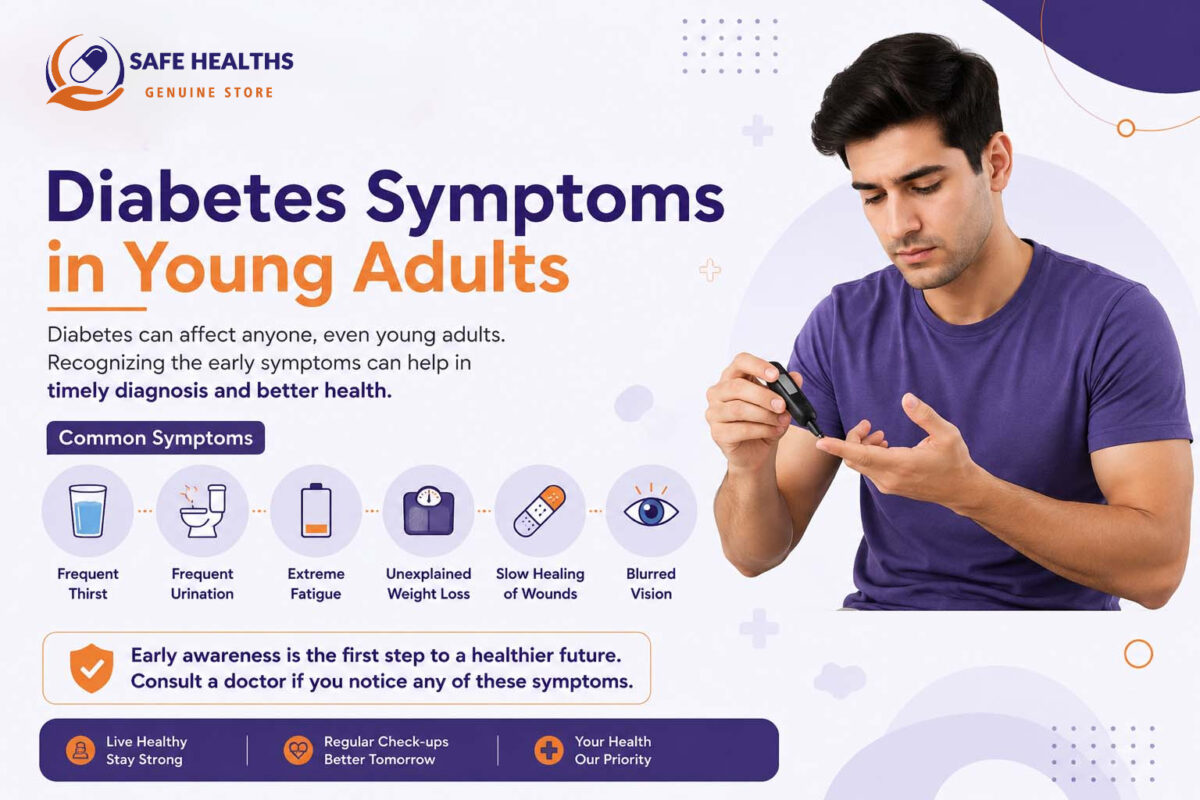
Diabetes Symptoms in Young Adults
Diabetes is often thought of as a condition of older age, but it is increasingly diagnosed in people in their teens, twenties, and thirties. Many young adults miss the early symptoms because they are subtle, come on gradually, or are put down to a busy lifestyle, stress, or poor sleep. Left undiagnosed, high blood sugar can quietly damage blood vessels, nerves, eyes, and kidneys.
This guide explains the symptoms of diabetes in young adults, the different types, who is at risk, how it is diagnosed, and what you can do.
What Is Diabetes?
Diabetes is a condition in which the body cannot keep blood glucose (sugar) in a healthy range. Glucose is the body’s main fuel, and the hormone insulin, made in the pancreas, moves it from the blood into cells. In diabetes, the body either does not make enough insulin or cannot use it effectively, so glucose builds up in the blood.
Types of Diabetes in Young Adults
- Type 1 diabetes: An autoimmune condition in which the body attacks its insulin-producing cells. It often starts in childhood or young adulthood and can develop quickly. People with type 1 need insulin.
- Type 2 diabetes: Caused by insulin resistance and, over time, reduced insulin production. It is increasingly seen in young adults, linked to excess weight, inactivity, poor diet, and family history.
- Latent autoimmune diabetes in adults (LADA): A slow-onset form of autoimmune diabetes that can be mistaken for type 2.
- Monogenic diabetes (MODY): A rare inherited form that often appears before 25 and runs in families.
- Gestational diabetes: Diabetes that develops during pregnancy and increases later risk of type 2.
To understand how the main types differ, read our guide to the difference between type 1 and type 2 diabetes.
Common Symptoms of Diabetes in Young Adults
1. Increased Thirst
When blood sugar is high, the kidneys try to remove the excess through urine, pulling water from the body. This leaves you dehydrated and constantly thirsty, even after drinking.
2. Frequent Urination
Needing to pass urine often, including waking at night to do so, is a classic sign. Young adults may put this down to drinking more fluids, but it can be the first clue.
3. Unexplained Weight Loss
Losing weight without trying, particularly in type 1 diabetes, happens because the body cannot use glucose for energy and starts breaking down fat and muscle instead. Type 2 diabetes is more often associated with weight gain, but weight loss can occur when sugar is very high.
4. Extreme Hunger
Even after eating, you may feel hungry because cells are not getting the glucose they need.
5. Fatigue and Low Energy
Persistent tiredness is common and is easy to dismiss as stress, exams, or a demanding job.
6. Blurred Vision
High blood sugar can cause fluid shifts in the eye’s lens, leading to blurred or changing vision. It often improves when blood sugar is controlled.
7. Slow-Healing Cuts and Frequent Infections
Raised blood sugar affects circulation and the immune response, so wounds heal more slowly, and skin, urinary, gum, and yeast infections are more common.
8. Tingling or Numbness
Pins and needles, numbness, or burning in the hands and feet can signal nerve damage from long-term high blood sugar.
9. Dark Patches of Skin
Velvety dark patches around the neck, armpits, or groin, known as acanthosis nigricans, are a visible sign of insulin resistance, particularly in young people with type 2 diabetes or prediabetes.
10. Mood Changes and Irritability
Swings in blood sugar can affect mood and concentration.
Symptoms More Specific to Women
Young women may notice recurrent vaginal yeast infections, irregular periods, or signs of polycystic ovary syndrome (PCOS), which is linked with insulin resistance.
Symptoms More Specific to Men
Young men may notice reduced sex drive, erection difficulties, and recurrent genital infections. Over time, high blood sugar can affect erections through nerve and blood vessel damage, as explained in diabetes and erectile dysfunction.
For a broader look at signs to watch for, see the early warning signs of diabetes.
Warning Signs of a Medical Emergency: Diabetic Ketoacidosis
In type 1 diabetes, especially when it is undiagnosed, the body can produce harmful acids called ketones. This condition, diabetic ketoacidosis (DKA), is life-threatening. Seek emergency care immediately if you have:
- Nausea and vomiting.
- Stomach pain.
- Fast, deep breathing.
- Fruity-smelling breath.
- Extreme thirst and dry mouth.
- Drowsiness or confusion.
Why Is Type 2 Diabetes Rising in Young People?
- Higher rates of obesity and abdominal fat.
- Sedentary lifestyles and long hours of sitting.
- Diets high in sugary drinks, refined carbohydrates, and ultra-processed foods.
- Family history and certain ethnic backgrounds with higher risk, including South Asian, African, Hispanic, and Indigenous populations.
- Poor sleep and chronic stress.
- Smoking and heavy drinking.
- PCOS and a history of gestational diabetes.
Read about the common causes of high blood sugar to see what else can push levels up.
Prediabetes: The Early Warning Stage
Prediabetes means blood sugar is higher than normal but not yet in the diabetes range. It often causes no symptoms at all. Many young adults have it without knowing. The encouraging news is that lifestyle changes can often prevent or delay progression to type 2 diabetes.
How Is Diabetes Diagnosed?
Doctors use simple blood tests:
- Fasting blood glucose: 126 mg/dL (7.0 mmol/L) or higher on two occasions suggests diabetes. 100 to 125 mg/dL indicates prediabetes.
- HbA1c: 6.5 percent or higher suggests diabetes. 5.7 to 6.4 percent indicates prediabetes.
- Oral glucose tolerance test: A 2-hour result of 200 mg/dL (11.1 mmol/L) or higher.
- Random blood glucose: 200 mg/dL or higher with classic symptoms.
If type 1 is suspected, doctors may check for ketones and autoimmune antibodies.
Who Should Get Tested?
You should consider testing if you have any of the symptoms above, or if you are overweight or have obesity and have extra risk factors, such as a parent or sibling with diabetes, high blood pressure, high cholesterol, PCOS, a history of gestational diabetes, a sedentary lifestyle, or a high-risk ethnic background. Guidelines in many countries also recommend routine screening from about age 35, or earlier if you have risk factors.
Managing Diabetes as a Young Adult
Early diagnosis and good control reduce the risk of complications. A care plan usually includes:
- Healthy eating: Balanced meals with vegetables, protein, high-fibre carbohydrates, and fewer sugary drinks and refined foods.
- Regular activity: At least 150 minutes of moderate exercise a week, plus muscle-strengthening.
- Medicines or insulin: As prescribed by your doctor.
- Blood sugar monitoring: As advised by your care team.
- Regular check-ups: For eyes, kidneys, feet, blood pressure, and cholesterol.
- Emotional support: Diabetes can be stressful, particularly in young adulthood.
For practical day-to-day advice, read simple tips for better diabetes management.
Can Diabetes Be Prevented?
Type 1 diabetes cannot currently be prevented. Type 2 can often be delayed or prevented by maintaining a healthy weight, being active, eating a balanced diet, not smoking, sleeping well, and managing stress. Losing even 5 to 7 percent of body weight can substantially reduce risk in people with prediabetes. See our tips for reducing your risk of diabetes.
Common Myths About Diabetes in Young People
- “Only older or overweight people get diabetes.” It can affect people of any age and body size.
- “Eating sugar causes diabetes.” Sugar alone does not directly cause it, but excess calories, weight gain, and poor diet raise type 2 risk.
- “If I have no symptoms, I am fine.” Many people have no symptoms in the early stages.
- “Diabetes will go away.” It is a long-term condition that can be controlled, and in some cases of type 2, put into remission with significant lifestyle change and weight loss, but it needs ongoing monitoring.
When to See a Doctor
Book an appointment if you notice persistent thirst, frequent urination, unexplained weight loss, ongoing tiredness, blurred vision, slow-healing wounds, or tingling in your hands or feet. Seek urgent help if you have vomiting, abdominal pain, fast breathing, or confusion alongside these symptoms.
Final Thoughts
Diabetes in young adults is more common than many realise, and the symptoms are easy to overlook. Recognising the signs early, getting tested, and acting on the results can protect your long-term health and allow you to live a full, active life.
This article is for general information only and is not a substitute for professional medical advice.

