
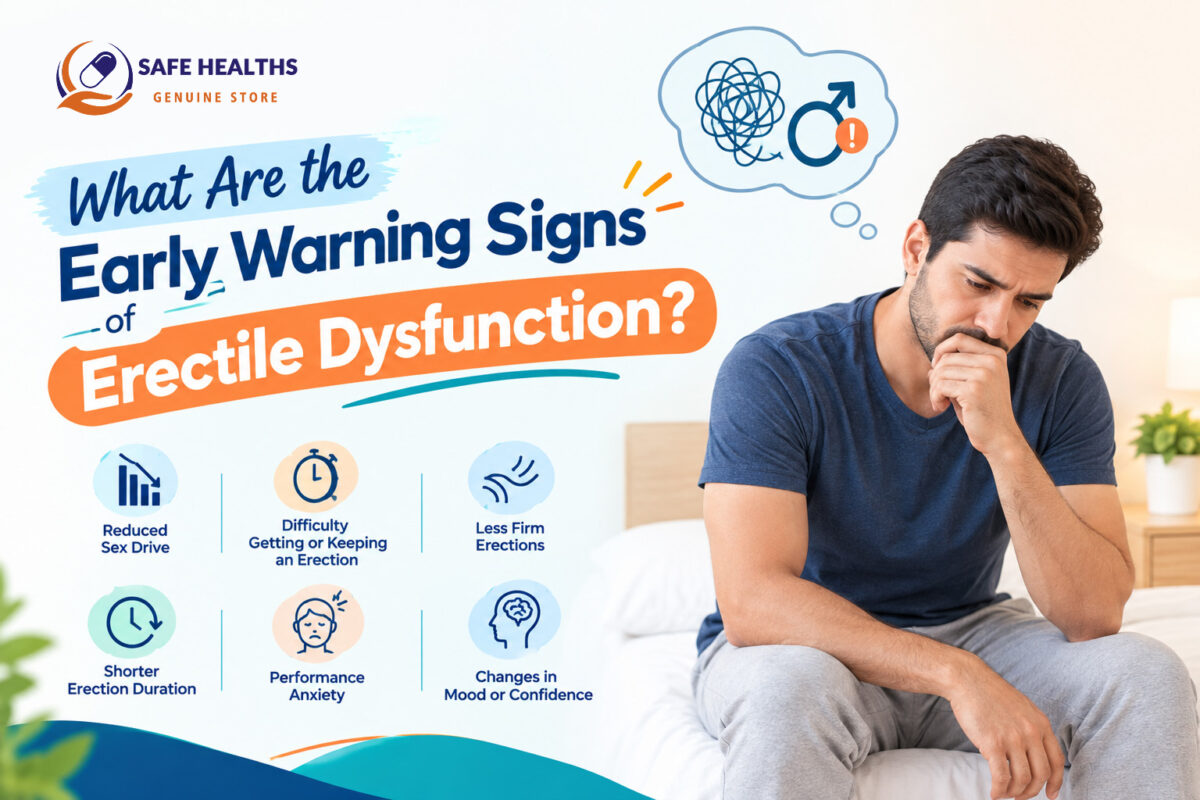
What Are the Early Warning Signs of Erectile Dysfunction?
How to Effectively Treat and Manage Erectile Dysfunction
Erectile dysfunction (ED) is a deeply personal and often frustrating condition, but it’s important to know you are not alone. It affects millions of men worldwide and, more importantly, it is highly treatable. While the word “cure” can be complex, many men can significantly improve or even reverse their symptoms by addressing the root cause. This guide will walk you through the proven strategies for managing and treating ED, from medical interventions to powerful lifestyle changes.
What is Erectile Dysfunction, Really?
Erectile dysfunction is the consistent inability to get or keep an erection firm enough for sexual intercourse. It’s not the same as occasionally having trouble with an erection, which can happen to anyone due to stress, fatigue, or alcohol. ED is a persistent pattern that can cause emotional distress and impact your relationships. The good news is that because ED is often a symptom of an underlying issue, identifying and treating that issue can lead to a lasting solution.
Understanding the Root Causes of ED
To find the most effective treatment, you and your doctor first need to understand what’s causing the issue. The causes of ED are often multifaceted and can be broken down into two main categories: physical and psychological.
Physical Causes: In most cases, ED is caused by a physical condition that affects blood flow, nerve supply, or hormones. These include:
Cardiovascular Disease: Conditions like high blood pressure, high cholesterol, and atherosclerosis (clogged arteries) are the most common culprits. An erection depends on healthy blood flow, and whatever is bad for your heart is also bad for your erections.
Diabetes: High blood sugar can damage the nerves and blood vessels responsible for achieving an erection.
Hormonal Imbalances: Low testosterone, thyroid problems, and other hormonal issues can contribute to ED.
Obesity: Excess weight is linked to diabetes, poor circulation, and hormonal changes, all of which are risk factors for ED.
Neurological Conditions: Diseases like Parkinson’s, multiple sclerosis, or spinal cord injuries can interfere with the nerve signals sent from the brain to the penis.
Psychological Causes: The mind plays a powerful role in sexual arousal. Mental and emotional factors are common contributors, especially in younger men. These include:
Stress and Anxiety: Performance anxiety, work stress, or general anxiety can inhibit the brain’s ability to trigger an erection.
Depression: This common mood disorder can lower libido and cause erectile difficulties.
Relationship Problems: Issues with communication or intimacy can lead to stress that manifests as ED.
Medical Treatments: Proven Solutions for ED
The first and most important step is to speak with a healthcare provider. They can perform a proper diagnosis and recommend a safe and effective treatment plan. Do not buy “herbal” or “miracle” cures online, as they can be ineffective and dangerous.
Oral Medications (PDE5 Inhibitors): These are often the first line of treatment. Medications like sildenafil (Viagra), tadalafil (Cialis), and vardenafil (Levitra) work by relaxing muscles and increasing blood flow to the penis in response to sexual stimulation. They are highly effective for many men but require a prescription.
Testosterone Replacement Therapy (TRT): If blood tests reveal that your ED is caused by low testosterone, your doctor may recommend TRT in the form of gels, patches, or injections to restore normal hormone levels.
Other Medical Options: For men who cannot take oral medications, other options exist, such as self-injections, vacuum erection devices, and intraurethral suppositories. These are highly effective and can be discussed with your urologist.
Lifestyle Changes: Can You Reverse ED Naturally?
For many men, making significant lifestyle changes can dramatically improve or even reverse ED, especially when the cause is related to cardiovascular health. These changes are foundational to long-term success, whether used alone or in combination with medical treatment.
1. Adopt a Heart-Healthy Diet: Focus on a diet rich in fruits, vegetables, whole grains, and lean proteins, like the Mediterranean diet. These foods help improve blood flow, control weight, and reduce the risk of clogged arteries.
2. Get Regular Exercise: Aim for at least 30 minutes of moderate aerobic exercise most days of the week. Activities like brisk walking, jogging, swimming, and cycling boost cardiovascular health, improve circulation, and help reduce stress.
3. Quit Smoking and Reduce Alcohol Intake: Smoking damages blood vessels and severely restricts blood flow throughout the body, including to the penis. Excessive alcohol consumption can also impair erectile function. Quitting smoking and moderating your drinking are two of the most impactful changes you can make.
4. Manage Stress and Prioritize Sleep: Chronic stress and lack of sleep can wreak havoc on your hormones and nervous system. Practice stress-reducing techniques like meditation, yoga, or deep breathing. Aim for 7-9 hours of quality sleep per night.
5. Strengthen Your Pelvic Floor: Pelvic floor exercises, also known as Kegels, can strengthen the muscles at the base of the penis. This helps prevent blood from leaving the penis during an erection, leading to firmer, longer-lasting results.
Finding Your Path to a Healthier Sex Life
Erectile dysfunction is not a life sentence. It is a common medical condition with a wide range of highly effective treatments. The key is to see it as a health signal. By working with your doctor, you can identify the underlying cause and create a comprehensive plan that may include both medical treatments and powerful lifestyle adjustments.
Taking that first step to talk to a healthcare professional is the most important part of the journey. It’s a sign of strength and the beginning of reclaiming your confidence and sexual health.