

No products in the cart.
03
Aug
Aug
Blog
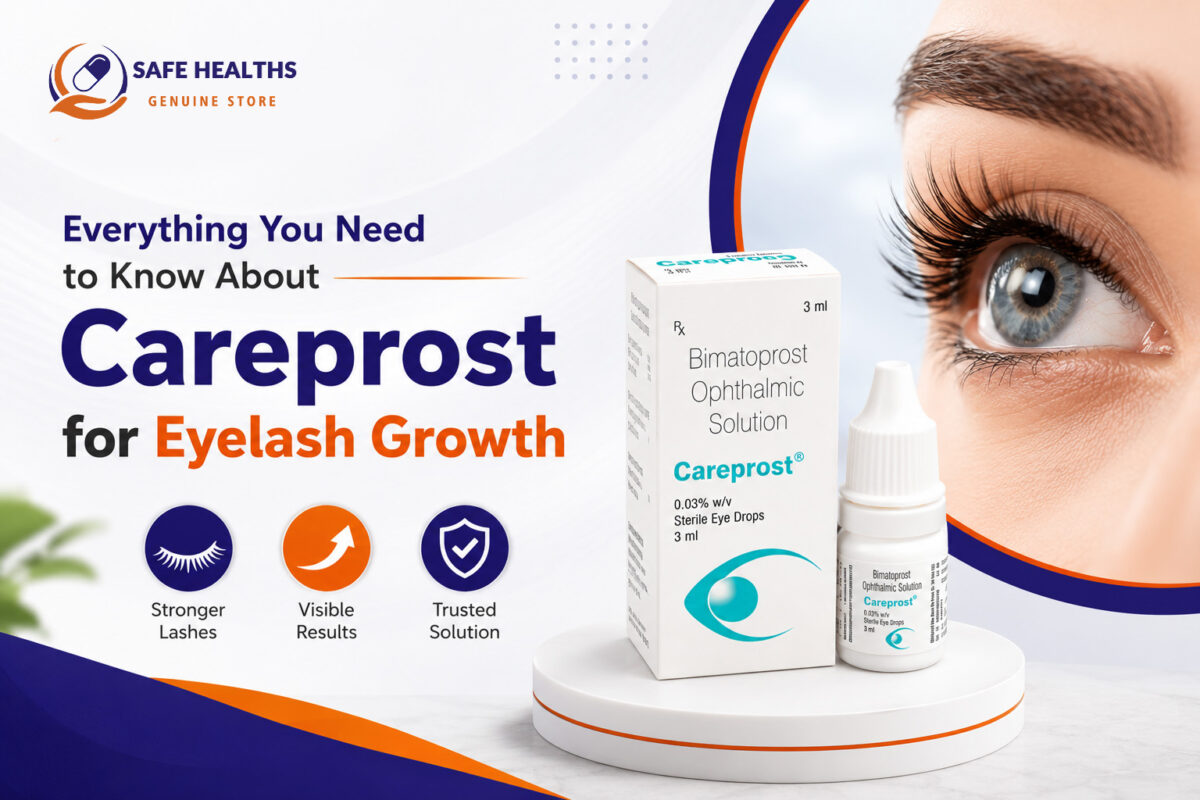
Everything You Need to Know About Careprost for Eyelash Growth
Of course. Here is a high-quality, SEO-optimized blog post on the topic of treating erectile dysfunction, using the requested HTML tags.
How To Cure ED: A Realistic Guide to Restoring Your Confidence
Dealing with erectile dysfunction (ED) can be frustrating, isolating, and can take a serious toll on your confidence and relationships. If you’re searching for answers, you’re not alone. ED is an incredibly common condition affecting millions of men worldwide. The good news is that it’s also highly treatable. While the word “cure” can be complex, for many men, it is possible to completely reverse symptoms and restore healthy function. This guide will walk you through the effective strategies and treatments available today.
What Exactly is Erectile Dysfunction?
Before we dive into solutions, let’s clarify what we’re talking about. Erectile dysfunction is the consistent inability to get or maintain an erection firm enough for sexual intercourse. It’s important to know that experiencing occasional erection trouble isn’t necessarily a cause for alarm. However, if the issue becomes persistent and causes you stress, it’s considered ED.
Can ED Truly Be Cured?
This is the most important question, and the answer is often yes, but it depends entirely on the underlying cause. If your ED is caused by lifestyle factors, stress, or certain psychological issues, a “cure”—meaning a complete reversal of symptoms without ongoing treatment—is very achievable. If ED is caused by a more permanent physical condition like nerve damage or a chronic illness, it may be more about effective management than a one-time cure. Regardless of the cause, significant improvement is almost always possible.
Understanding the Root Causes of ED
Finding the right solution starts with identifying the cause. ED isn’t just a standalone issue; it’s often a symptom of something else going on in your body. The causes generally fall into two categories: physical and psychological.
Common Physical Causes:
- Heart disease
- Clogged blood vessels (atherosclerosis)
- High blood pressure
- Diabetes
- Obesity
- Hormonal imbalances (like low testosterone)
- Nerve damage from surgery or injury
- Smoking and excessive alcohol use
Common Psychological Causes:
- Stress
- Anxiety (especially performance anxiety)
- Depression
- Relationship problems
- Guilt or low self-esteem
Proven Strategies to Treat and Reverse ED
Once you and your doctor have an idea of the cause, you can explore a range of effective treatments. The best approach often involves a combination of the following strategies.
Start with Lifestyle Modifications
For a large number of men, lifestyle changes are the most powerful tool for reversing ED. These changes improve overall health, which directly impacts erectile function by improving blood flow, hormone levels, and nerve function.
Adopt a Heart-Healthy Diet: Your erections depend on healthy blood flow. A diet rich in fruits, vegetables, whole grains, and lean proteins (like the Mediterranean diet) can improve circulation and reduce risk factors like heart disease and obesity.
Get Regular Exercise: Physical activity is a game-changer. Cardiovascular exercise like jogging, swimming, or brisk walking strengthens your heart, improves blood flow throughout your body, and helps maintain a healthy weight.
Quit Smoking and Reduce Alcohol: Smoking damages blood vessels and restricts blood flow, making it a primary cause of ED. Excessive alcohol can also interfere with your ability to achieve an erection. Cutting back or quitting can produce dramatic improvements.
Prioritize Sleep: Poor sleep can disrupt hormone levels, including testosterone. Aiming for 7-8 hours of quality sleep per night can help restore hormonal balance and reduce fatigue.
Medical Treatments for ED
When lifestyle changes aren’t enough, or if there is a specific medical cause, several proven medical treatments are available. It is essential to consult with a healthcare professional to determine which option is right for you.
Oral Medications (PDE5 Inhibitors): This is the most common first-line medical treatment. Medications like Sildenafil (Viagra), Tadalafil (Cialis), and Vardenafil (Levitra) work by increasing blood flow to the penis. They are safe and effective for most men.
Testosterone Replacement Therapy (TRT): If blood tests reveal that your ED is caused by low testosterone, your doctor may recommend TRT. This can be administered via gels, patches, or injections to restore normal hormone levels.
Other Medical Options: For men who cannot take oral medications, other options include vacuum erection devices, penile injections (alprostadil), and intraurethral suppositories. These methods are also highly effective at producing an erection.
Address the Psychological Component
Never underestimate the mind-body connection. If stress, anxiety, or depression are contributing to your ED, addressing your mental health is crucial for a long-term solution.
Counseling or Sex Therapy: Talking to a professional can help you work through performance anxiety, stress, or relationship issues that may be impacting your sexual function. It provides a safe space to develop coping strategies.
Open Communication: Talking openly and honestly with your partner about what you’re experiencing can reduce pressure and anxiety for both of you. Working as a team can be incredibly beneficial.
When to See a Doctor
If you are experiencing persistent ED, it’s time to talk to a doctor. Don’t be embarrassed—they have this conversation every day. More importantly, because ED can be an early warning sign of a more serious underlying health condition like heart disease or diabetes, getting it checked out is a vital step in protecting your overall health.
The Takeaway: A Proactive Approach is Key
Erectile dysfunction is a treatable medical condition, not a personal failing. For many, a “cure” is possible through dedicated lifestyle changes and addressing the root cause. For others, effective management can completely restore a healthy and satisfying sex life. The most important step you can take is to be proactive. By making healthy choices and speaking with a healthcare professional, you can regain control and restore your confidence.
