
The Complete Guide to Wormentel Anti Worm Tablets
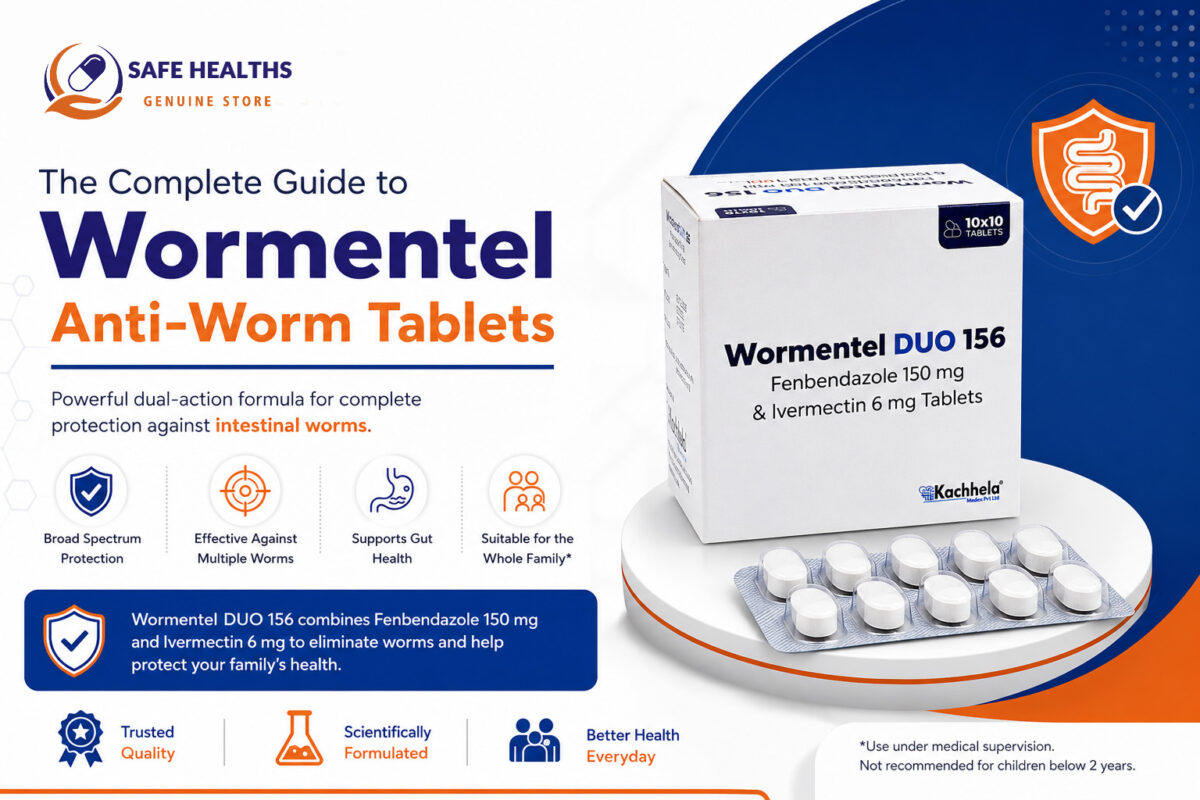
The Complete Guide to Wormentel Anti-Worm Tablets
Wormentel anti-worm tablets are sold online and in some markets under strengths such as 150 mg, 444 mg, and 888 mg of fenbendazole, along with a “Duo” product combining fenbendazole and ivermectin. Many people look for a complete guide before deciding whether to use them. This article explains what the tablets contain, what they are used for, what is known about safety, how to store and recognise genuine products, and the questions to ask a healthcare professional.
It is important to say clearly at the start: fenbendazole is a veterinary anti-worm medicine. It is not approved by major regulators for treating worms in people, and there is no established human dosing, so this guide does not give dose instructions.
What Do Wormentel Tablets Contain?
- Fenbendazole: A benzimidazole anthelmintic that is licensed in veterinary medicine for treating worms in animals.
- Ivermectin (in Wormentel Duo): An antiparasitic that is approved for people for specific conditions, such as strongyloidiasis and scabies, at doses set by prescribers.
- Inactive ingredients: Fillers and binders such as starch, lactose, or cellulose, which can matter if you have allergies or intolerances.
What Are Anti-Worm Tablets Used For?
Anti-worm tablets of this family are used against intestinal parasites such as roundworm, hookworm, whipworm, and pinworm, and some also act on certain tapeworms and protozoa. In animals, fenbendazole is used for worms and giardia. For people, doctors usually prescribe albendazole or mebendazole instead, because they have been tested in humans. For a comparison, see Wormentel vs other deworming medicines.
How These Tablets Work
Fenbendazole and its relatives bind to tubulin in parasite cells, disrupting their ability to take up glucose and produce energy, which causes the worm to weaken and die. Ivermectin acts on nerve and muscle channels in parasites, causing paralysis. The details are explained in how Wormentel helps eliminate intestinal worms.
What Is Known About Safety?
Because fenbendazole has not been through the standard trials required for human approval, the reliable information about its safety in people is limited. What is known includes:
- Common effects of benzimidazoles: Nausea, abdominal pain, diarrhoea, headache, dizziness.
- Liver effects: Raised liver enzymes and, rarely, liver injury have been reported with this drug class, and published case reports describe liver injury in people who took fenbendazole.
- Blood effects: Low white blood cell counts have been reported with benzimidazoles in some people, particularly with prolonged use.
- Allergic reactions: Rash, itching, swelling, or breathing difficulty need urgent help.
- Ivermectin effects: Dizziness, itching, rash, and, with high doses, neurological side effects. It can interact with some medicines.
Higher-risk groups include people who are pregnant or breastfeeding, those with liver or kidney disease or blood disorders, children, older adults, and people taking other medicines. Doctors usually avoid benzimidazoles in early pregnancy.
Dosage: Why This Guide Does Not Give One
The doses printed on veterinary products relate to animal weight and species. Human doses for approved medicines are determined from clinical trials and vary with the parasite, age, weight, and health conditions. Without human trial data, there is no validated dose for fenbendazole in people, and taking too much or too little may be unsafe or ineffective. If you need treatment, ask a doctor for a prescription of an approved medicine at the right dose.
Who Should Not Take Anti-Worm Tablets Without Medical Advice?
- Pregnant or breastfeeding women, and those trying to conceive.
- Children, whose doses depend on age and weight.
- People with liver disease, kidney disease, or blood disorders.
- People who take blood thinners, antiepileptics, or other regular medicines that could interact.
- Anyone with a history of allergic reaction to similar medicines.
- People with a weakened immune system.
Interactions
Benzimidazoles can interact with certain medicines, and ivermectin interacts with some drugs, including some anticoagulants. Alcohol may increase the strain on the liver. Tell your doctor or pharmacist about every prescription medicine, over-the-counter product, and supplement you take.
Quality and Authenticity
Medicines sold online without proper regulation may be counterfeit, contain the wrong amount of active ingredient, or be contaminated. Some tips:
- Buy only from licensed pharmacies and reputable suppliers.
- Check for batch numbers, expiry dates, manufacturer details, and intact packaging.
- Be wary of products making dramatic claims, such as curing cancer or all infections.
- Report suspected counterfeit or harmful products to your local medicines regulator.
Storage
Store tablets in their original packaging at room temperature, away from moisture, heat, and direct sunlight, and out of the reach of children and pets. Do not use tablets after their expiry date or if they look damaged or discoloured.
Claims About Cancer and Other Diseases
Online, you may see claims that fenbendazole treats or cures cancer. These claims stem mainly from laboratory experiments and personal stories. No completed human clinical trial has shown that fenbendazole is a safe and effective cancer treatment, and delaying proven treatment can be harmful. Speak to an oncologist before considering any unproven product.
Worm Infections: What to Do First
- Recognise the signs, such as abdominal pain, diarrhoea, weight loss, anal itching, anaemia, or visible worms. See the signs you need deworming.
- See a doctor and arrange a stool test where appropriate.
- Use an approved medicine at the dose prescribed.
- Treat household contacts when advised.
- Improve hygiene to prevent reinfection.
For the bigger picture, read Wormentel for deworming: a complete guide and our overview in Wormentel anti-worm medicine: everything you need to know.
Preventing Worm Infection
- Wash hands with soap after the toilet and before eating.
- Keep nails short.
- Wash fruits and vegetables and cook meat and fish thoroughly.
- Drink safe water.
- Wear footwear outdoors.
- Wash bedding and towels regularly.
- Treat pets for worms regularly.
When to See a Doctor
See a doctor if you suspect worms, have persistent digestive symptoms, notice weight loss or anaemia, or have symptoms after taking any medicine. Seek urgent help for severe abdominal pain, vomiting, yellow skin or eyes, dark urine, severe rash, difficulty breathing, or swelling of the face or lips.
Frequently Asked Questions
Is Wormentel the same as a human dewormer?
No. Its main ingredient, fenbendazole, is used in veterinary medicine and is not approved for human worm treatment.
Can I take it with other medicines?
Ask a doctor or pharmacist first, because interactions are possible.
Are there side effects?
Yes. Mild digestive upset is common, and rare serious effects, such as liver problems, have been reported.
Final Thoughts
Wormentel tablets contain fenbendazole, a veterinary dewormer, and sometimes ivermectin. Worm infections are common and treatable, but the safest approach is to get a diagnosis and use an approved medicine at a tested dose prescribed by a healthcare professional. Be sceptical of dramatic online claims and buy medicines only from licensed sources.
This article is for general information only and is not a substitute for professional medical advice. Do not take anti-worm medicines without guidance from a qualified healthcare professional.

